
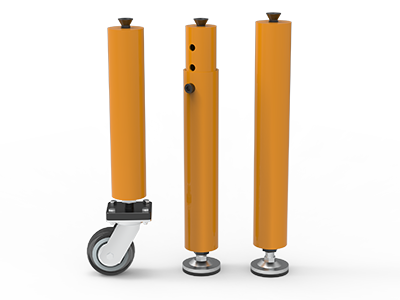
 Round Table Legs
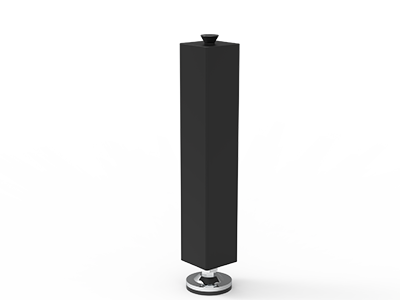 Square Table Legs
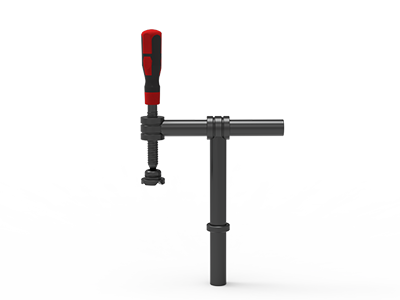 Clamp 180°
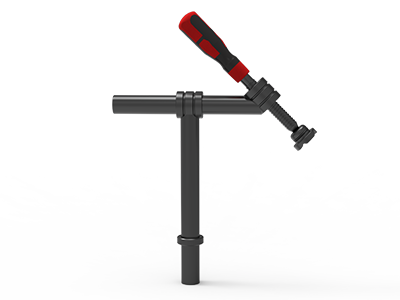 Clamps 45°
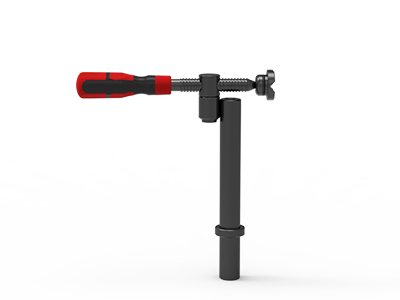 clamp 90°
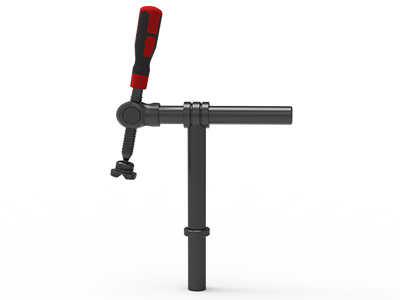 DRINK
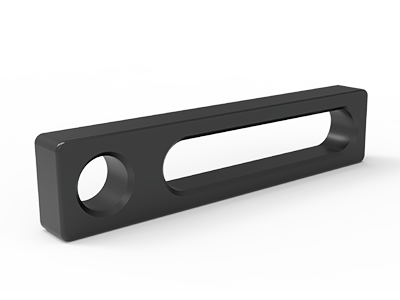 Stop
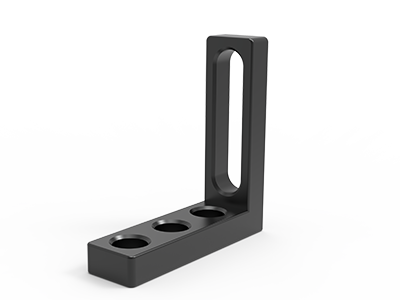 Angle Stop
 Eccentric Stop Ø 60
 Angle Alignment Template
 Square u-shape
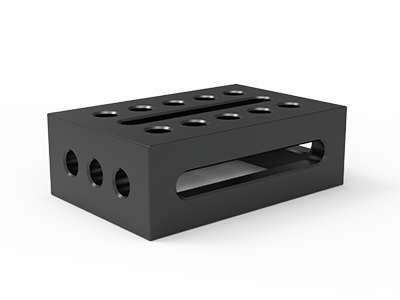 Support and clamping frame
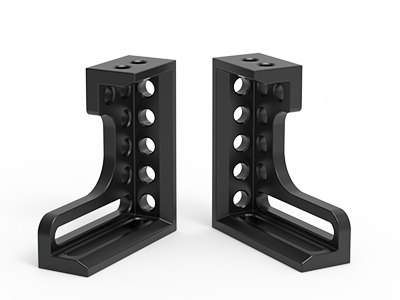 Angle support
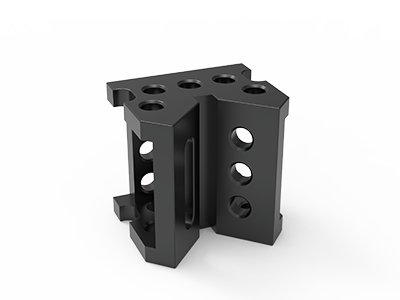 Corner Connection
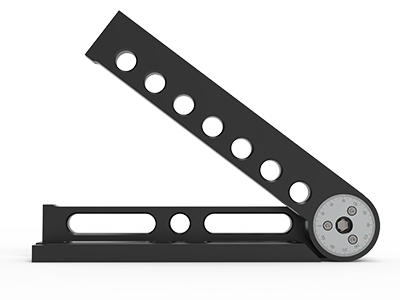 Universal angle clamping
 Prism with screwed-in collar
 Prism with screwed-in collar
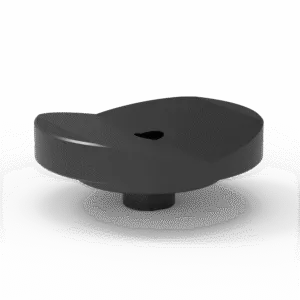 Prism with screwed-in collar
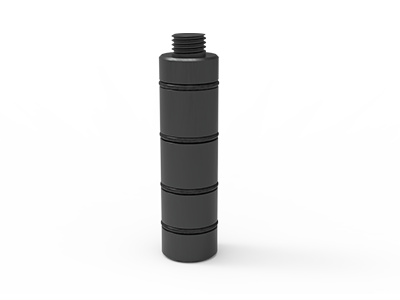 Prism Extension
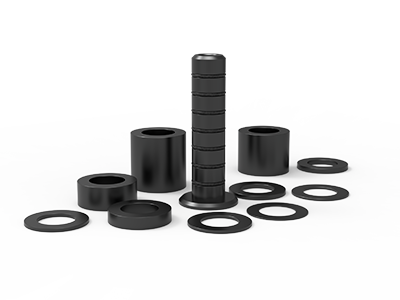 Set of Supports 11-piece set
 Screw Support Ø 80
 Shipping Bracket
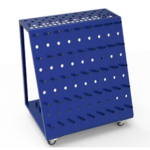 Tool Cart
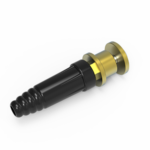 Ground Connection
 Welding torch holder
 Brush with protecting cover
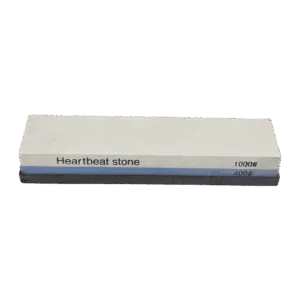 Oilstone
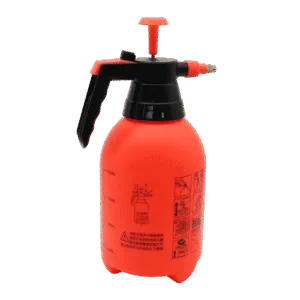 Pump Spray Bottle
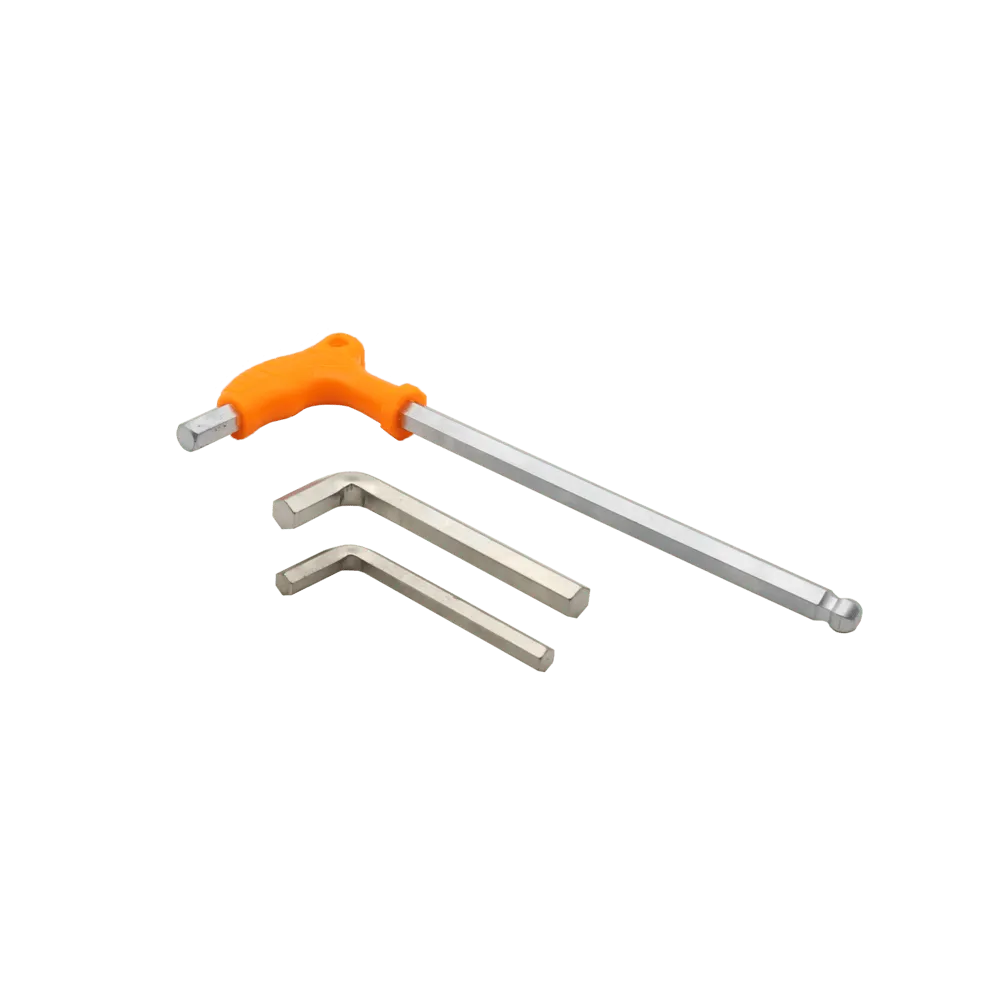 Allen Wrench
Welding Table Export Packing: What to Specify Before Sea Freight
For sea freight, specify welding table export packing in the purchase order before production is finished. Ask for a packing drawing or written method showing how the table is supported, how machined faces and holes are protected, where loose tooling goes, what wood is used, and how the packed unit will be lifted and secured. Require final package dimensions, gross weight, marks, and packing photos before dispatch. “Export packing included” is too vague to plan unloading or resolve damage at arrival.
This guide is about the transport package and the information an overseas buyer needs to approve it. It complements a pre-shipment table inspection, which checks the machine itself before it disappears inside the crate. The two approvals should be separate: a sound table can still arrive damaged if the package and handling plan do not match its weight, geometry and route.
Start with the actual configuration, not a generic crate
A package for a bare top differs from one for a table with legs fitted. A D16 tooling kit has different small-part and identification needs from a D28 table body. For example, a 2000 × 1000 mm D28 table identifies the nominal working surface, not its packed footprint, gross weight or forklift clearance. Those figures must come from the final packing plan for the ordered configuration.
Send the supplier one configuration sheet with the table model and size, hole system, quantity, chosen legs, finish, and each accessory model and count. State whether legs are to be installed or packed separately. Confirm any removable parts, protruding handles, side-face tooling or custom attachments. A mistake here changes the center of gravity, outer dimensions and number of packages.
Information to put on the purchase order
- Table model, working-surface dimensions, D16 or D28 system, finish and quantity.
- Accessory list with part numbers, quantities, and the package in which each item will travel.
- Freight mode: full container load (FCL), less-than-container load (LCL), or another agreed route.
- Destination country and final unloading address, including access limits and available forklift or crane.
- Required photos, package marks, document language, and the point at which the buyer approves packing.
Protect the working surfaces without hiding an inspection issue
The working face, side faces, hole edges and corners are the features most likely to matter when the table is first assembled. They can also be struck by loose fittings or damaged where a rigid cover touches a raised edge. Ask for a clean, dry surface check before wrapping, followed by a barrier that separates the metal from abrasive packing material. Corner and edge protection should stay in place during handling, not only while the crate is stationary.
For a steel table, agree in writing whether the supplier will use an approved temporary corrosion inhibitor, a barrier film, a desiccant, or another method compatible with the specified finish. Avoid an automatic assumption that every nitrided or coated surface needs the same treatment. Ask how residues will be removed on arrival and whether the chosen materials are compatible with the worktop and holes. No wrap can compensate for packing damp wood or a wet table.
If the crate is closed, request photographs of the clean worktop, side faces, protective layers and finished outer package. Note any exposed mating or mounting surfaces. Photos before and after wrapping help distinguish manufacturing condition from transport damage without claiming that a photograph proves dimensional accuracy.
Make the support and lifting method visible
A heavy worktop needs support at appropriate structural points. Do not assume its perforated working face or arbitrary holes are lifting points. Ask the manufacturer to identify approved contact and lifting locations for the exact model. The package design should keep concentrated pressure away from exposed edges, holes and locating surfaces. If legs are removed, specify how the bare table body is kept stable and how the legs are restrained separately.
Before approving a crate, ask for a simple handling sketch. It should show the package length, width and height; declared gross and net mass; center-of-gravity indication if needed for safe lifting; forklift entry direction and spacing or approved crane lift points; and any orientation restriction. This information lets the receiving workshop select equipment before the truck arrives. It also lets the freight forwarder check whether the package fits the planned vehicle, container opening and local handling route.
For container packing, the IMO/ILO/UNECE CTU Code is a non-mandatory international code of practice on packing cargo transport units. It addresses cargo distribution and securing for land and sea movement. Ask who is responsible for blocking and lashing the packaged table inside the container, and request a loading photo that shows the final restraint arrangement. The crate holding the table and the restraints holding the crate in the container are two distinct layers of protection.
Check wooden packaging rules for the destination
If the packing uses raw-wood pallets, crates, blocks or dunnage, confirm the destination’s plant-health requirements before the pack is built. The International Plant Protection Convention explains ISPM 15 for wood packaging material, including approved treatment and the mark used on regulated wood. Ask the packer what material is actually used, whether regulated wood will carry a valid and legible mark, and whether replacement dunnage added during loading also meets the destination requirement.
Processed wood products may be treated differently from raw wood under ISPM 15, so “wooden crate” alone does not answer the question. National import rules and enforcement can differ. The buyer or forwarder should confirm the current destination rule rather than relying on a generic “fumigated pallet” statement. Ask for a clear photo of each relevant mark on the completed package and keep the package description consistent with the shipping documents.
Separate and count the accessories
Clamps, stops, bolts, squares and small tools should not be loose against the worktop. Ask for identifiable inner boxes or compartments, with a list that maps each part number and quantity to a box number. Long accessories need their own support to avoid movement; delicate threads and locating surfaces need separation from hard metal contact. If mixed D16 and D28 parts are in one shipment, labels should make the two systems obvious during receiving.
Use the same accessory names on the quotation, order confirmation, packing list and box labels. If tooling is shipped in a separate carton or pallet, mark it as a separate package and include it in the total package count. This small document check prevents a common receiving problem: the table arrives, but the parts needed to assemble or fixture it cannot be found quickly.
Choose the evidence according to FCL or LCL
For FCL, ask for photos of the packed units before loading, their position in the container, the completed restraints, and the closed container with its seal number. The container packer and the freight forwarder should agree who verifies and submits the packed container’s gross mass. Under the IMO’s SOLAS verified gross mass requirements, the shipper named on the transport document is responsible for providing the verified gross mass; a packed container needs that figure for loading. Package gross weights still need to be accurate even when the container-level calculation is handled elsewhere.
For LCL, the package is likely to pass through additional handling stages. Confirm the freight forwarder’s minimum crate strength, stackability instruction, fork access and label requirements for the actual route. Do not label a package stackable unless the packer has designed it for an agreed top load. Request a clear “do not stack” mark when that is the agreed condition, and make sure the handling instruction also appears in the forwarder’s booking information. Our shipping and delivery page explains the available shipping routes; the final packing method still needs to be agreed for each order.
Approve documents and photos before release
A useful pre-dispatch pack is short and specific. It should allow a person who has not seen the order to identify every package, unload it safely and check completeness. The table below can be copied into a purchase order or supplier approval email.
| Item to confirm | What to request | Why it matters |
|---|---|---|
| Package schedule | Package number, contents, outer L × W × H, net and gross mass | Equipment choice, freight booking and receiving count |
| Support and lifting | Approved contact points, fork direction or lift method, orientation | Safe handling without loading the worktop incorrectly |
| Surface protection | Photos before wrapping and after protection is fitted | Visible condition and a record of the agreed method |
| Wood packaging | Wood type and applicable ISPM 15 mark photos | Destination entry checks for regulated raw wood |
| Tooling | Part-number count by inner box and outer package | Fast reconciliation at the receiving workshop |
| Container loading | Loading and restraint photos, seal record where applicable | Evidence of the agreed stowage arrangement |
Compare the package schedule with the commercial invoice and packing list before the cargo leaves. Ask the supplier to correct any inconsistent model names, package counts or masses. Confirm who will send the final documents to the forwarder and who receives them at the destination. This is also the right time to check that the quoted freight scope matches the agreed delivery point; do not infer unloading or customs services from a freight label alone.
Plan the first inspection at arrival
Before opening the crate, photograph all sides, shipping labels, visible damage, the seal if there is one, and the unloading setup. Count packages against the packing list. Open with the stated orientation and lifting method, keeping metal cutting tools away from the protected working face. Photograph the surface and inner packing as each layer is removed. Separate apparent transport damage from routine removable packing marks, then record any issue before discarding the materials.
After unpacking, check the table, legs and tooling against the configuration record. For a deeper product check, use the earlier inspection checklist as a reference and agree any measurement method with the supplier. The package photos, arrival photos and matching part list create a much clearer basis for a practical conversation if something is missing or damaged.
Send a packing brief with your enquiry
When requesting a quotation, send the table size and model, D16 or D28 tooling list, quantity, destination, FCL or LCL preference, unloading equipment and any local wood-packaging requirement. Ask for a proposed packing method and package schedule alongside the commercial offer. If you are still defining the order, our how-to-order guide shows the information to prepare. You can then request a quote with the packing brief attached or described in the message.