
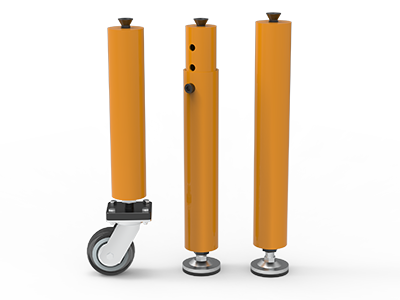
 Round Table Legs
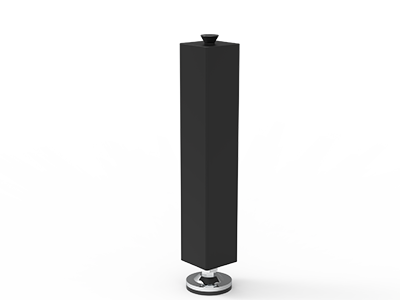 Square Table Legs
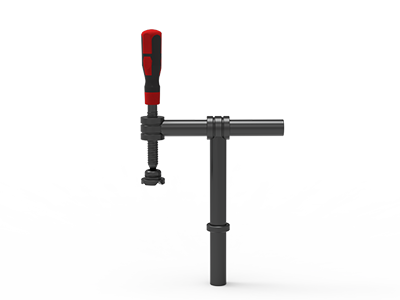 Clamp 180°
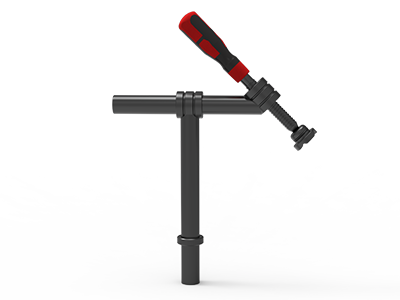 Clamps 45°
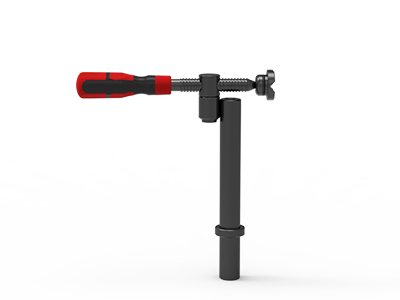 clamp 90°
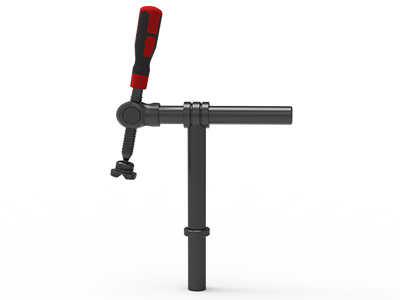 DRINK
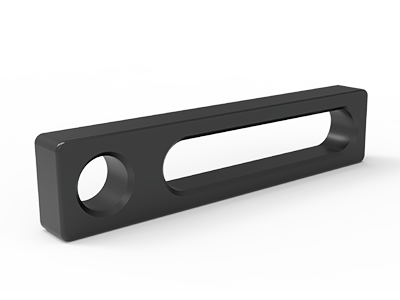 Stop
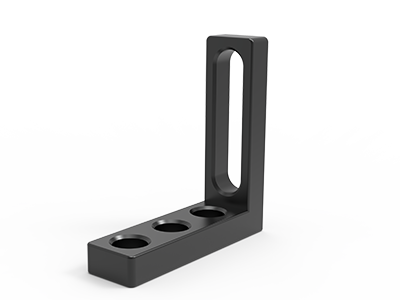 Angle Stop
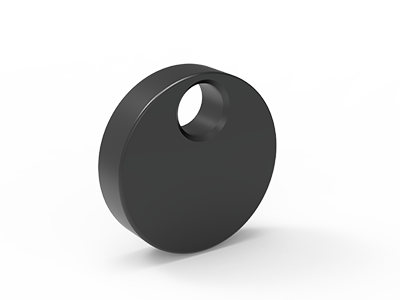 Eccentric Stop Ø 60
 Angle Alignment Template
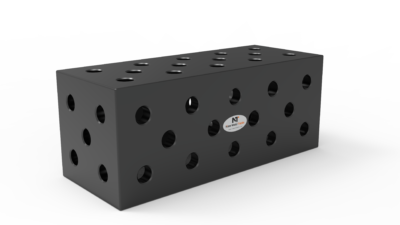 Square u-shape
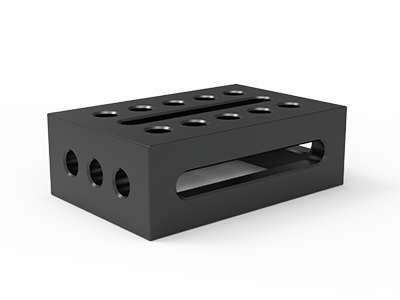 Support and clamping frame
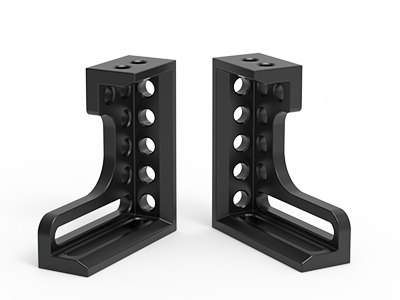 Angle support
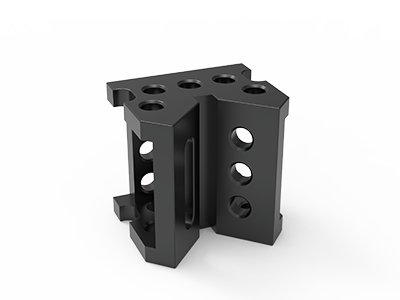 Corner Connection
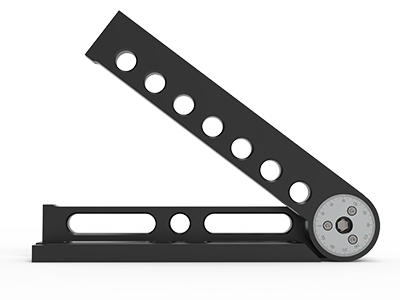 Universal angle clamping
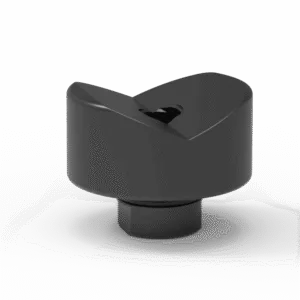 Prism with screwed-in collar
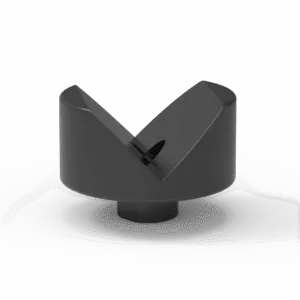 Prism with screwed-in collar
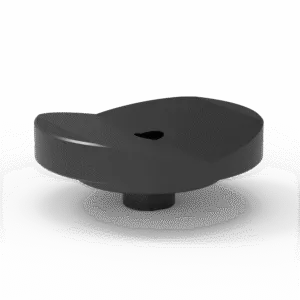 Prism with screwed-in collar
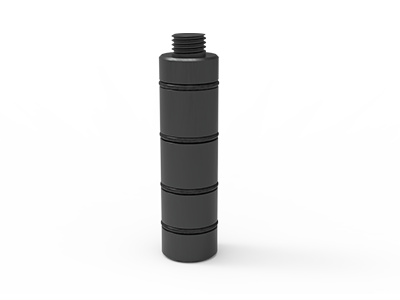 Prism Extension
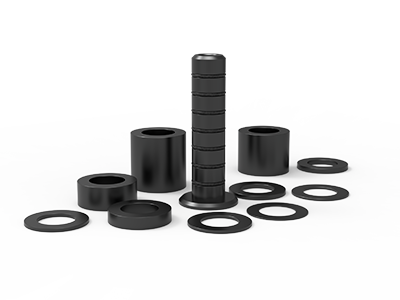 Set of Supports 11-piece set
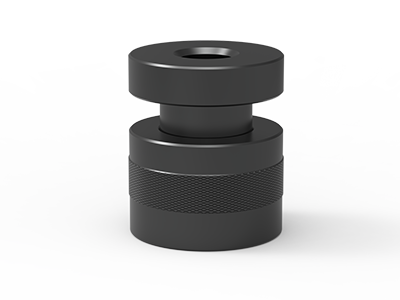 Screw Support Ø 80
 Shipping Bracket
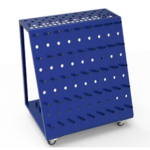 Tool Cart
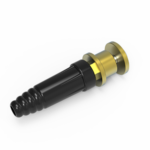 Ground Connection
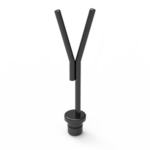 Welding torch holder
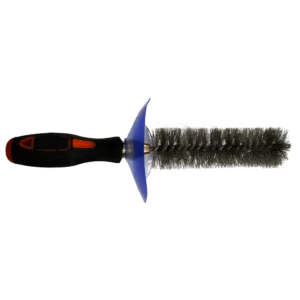 Brush with protecting cover
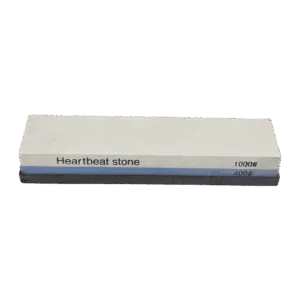 Oilstone
 Pump Spray Bottle
 Allen Wrench
Welding Table Legs: Fixed, Adjustable or Caster Base?
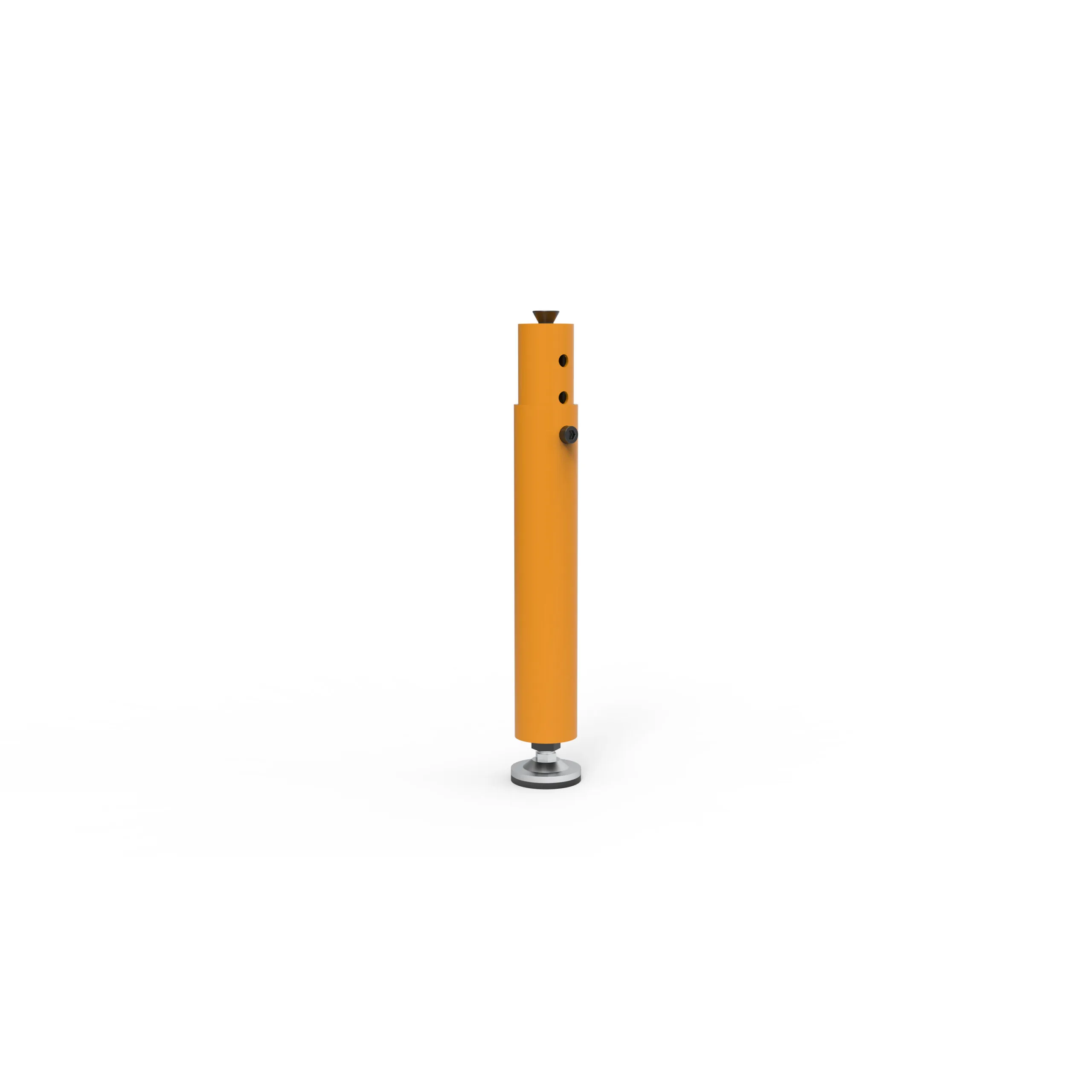
Choose welding table legs after you know the table top, workpiece weight, required working height and how often the station must move. Fixed legs suit a permanent station. Adjustable legs help when the working height must change. Casters make sense when the table has a real relocation task, but their brakes, floor suitability and complete-assembly capacity need separate checks. Do not select a base from a leg height or per-leg rating alone.
For an overseas order, the useful question is not simply “How many legs?” It is “What base will hold this particular table, fixture load and workpiece at the correct height in our workshop?” The checks below turn that question into a specification a supplier can verify.
Start with the work, then choose the base
List the heaviest and largest jobs that will actually run on the table. Include clamps, stops, angle plates and any temporary support frames. A long frame with its weight near one edge is a different loading case from a compact part centered on the top. Also record whether operators need clear access below the top for a forklift, positioner or fixture.
Next, map the table’s movement. A station that stays in one bay usually benefits from a simple fixed base with leveling feet. A station shared by two lines may justify a mobile base. If the workpiece height changes more often than the table’s location, adjustable-height legs may solve the actual problem with less handling.
| Base type | Best fit | Confirm before ordering |
|---|---|---|
| Fixed legs with leveling feet | Permanent welding or inspection station | Final surface height, floor adjustment, mounting pattern |
| Adjustable-height legs | Changing operator or fixture height | Usable height range under load, locking method, stability at the selected height |
| Legs with casters and brakes | Planned movement between work areas | Complete-assembly rating, brake behavior, wheel and floor compatibility |
Calculate the finished working height
A catalog leg height is not the same as finished table-surface height. Ask for a dimensioned assembly drawing that shows the floor to worktop distance, including the top thickness, foot setting or caster assembly. If there is a fixture plate above the table, add that height to the operator’s actual working level.
NewWeldTable lists fixed square-tube legs at nominal heights from 250 to 750 mm; the 650 mm fixed square-tube leg is one catalog example. Those numbers identify leg variants, not a universal finished table height. For a 650 mm leg option, the buyer should request the assembled floor-to-surface dimension before treating 650 mm as the operator height.
Use the workpiece, not an arbitrary “standard” height, as the reference. A tall frame clamped upright can place the weld well above the table. A flat plate assembly keeps the weld closer to the surface. Ask operators which joint positions are most frequent, whether they weld seated or standing, and how they access the far side of the fixture. Test the proposed height against those positions before issuing the purchase order.
For a height-adjustable base, request the minimum and maximum assembled surface heights and the adjustment method. Confirm how the selected position is locked, whether adjustment is intended with the table loaded, and whether all legs can be set consistently. The adjustable square-tube leg is a product option; its exact usable range for a proposed table should be confirmed in the quotation or drawing.
Check top-to-leg fit independently of D16 or D28 tooling
D16 and D28 describe tooling-hole systems on the work surface. They do not, by themselves, define the underside leg mounting pattern. A D28 stop may fit the top while a leg from another table fails to match its bottom plate. Do not infer base compatibility from the tooling diameter or grid pitch.
Send the exact table model or an underside drawing. Ask the supplier to identify the number and positions of support points, mounting-hole spacing, bolt size and engagement, and whether the top has dedicated threaded points or requires a different bracket. If the table has side-face clamping holes, check that the leg or brace does not block a required clamp position. Also ask how the base is packed and labeled so the installation team can match each component to the drawing.
As a concrete example, the 2000 × 1000 mm D28 table is listed as a 2000 × 1000 × 200 mm D28 model. Confirm the grid and the separately selected leg configuration in your quotation. The grid specification helps you plan fixture positions; the supplied base still needs to be identified as part of that exact table package. For a larger or custom top, request a new support layout rather than copying the leg count from a smaller model.
Evaluate capacity as a complete assembly
Build a load list before comparing ratings: table top, legs and cross members, the heaviest workpiece, fixtures, and any tooling that may remain on the table. Then describe where that mass sits. A centered static load is only one case; edge loading, crane placement and a moving table can change the demand on individual supports.
Some product pages state a capacity per leg. That is a component figure, not a verified capacity for the assembled table. Simply multiplying it by four ignores the strength of the top, mounting hardware, wheel assemblies, floor contact and unequal load distribution. Ask for the rated load of the quoted configuration, the basis of that rating and any restrictions on moving or adjusting it while loaded. If this information is unavailable, do not substitute a calculation based on a catalog leg figure.
Check the floor as well. Leveling travel can compensate for a modest difference between support points, but it cannot correct a weak or damaged slab. For a mobile base, record floor joints, ramps, debris and thresholds on the actual route. Ask the supplier to confirm wheel material, diameter, load rating and suitability for that route. Before movement, remove loose tooling and secure the workpiece under the site’s handling procedure.
Fixed, adjustable or casters: practical trade-offs
Fixed legs: specify a repeatable station
Fixed legs are a sensible starting point for a table that stays in one location. Level the assembled top at its operating position, check that all support points bear properly, and record the final surface height for future replacement orders. If a jig extends outside the top, ask whether additional workpiece supports are required; table legs alone may not support the overhang.
Adjustable legs: define the usable range
Adjustable legs are useful when different assemblies need different weld access. A wide adjustment range on paper is less useful if the base becomes awkward at the top of that range or the locking process is slow. Request the minimum and maximum assembled height for the chosen top, adjustment increments if applicable, and instructions for locking and leveling. Treat any change of height under load as a separate capability that needs explicit confirmation.
Casters: plan the move as part of the job
Casters earn their place when operators must move a table between defined work areas. The 650 mm square-tube leg with caster and locking brake is a catalog option. Confirm whether the brake stops wheel rotation, swivel action or both for the exact wheel supplied; a brake label alone does not establish how the table behaves during clamping or welding. Agree on the intended travel route, movement with or without a workpiece, and where the table will be secured for use.
Put these details on the RFQ
A useful request for quotation identifies the whole station. Provide:
- Table model, top size and thickness, D16 or D28 system, and grid pitch; include an underside drawing if the top is not supplied with the legs.
- Required finished floor-to-worktop height, or the minimum and maximum height for an adjustable station.
- Maximum table, fixture and workpiece mass, plus any concentrated or overhanging loads.
- Number of support points, mounting dimensions and any floor anchoring requirement.
- For casters: route conditions, intended movement while loaded, brake requirements and wheel information.
- Destination country, delivery address, packing preference and whether legs should ship assembled or separately labeled for installation.
Ask the supplier to return a drawing and bill of materials showing the top, base, mounting hardware and leveling or caster parts as one quoted configuration. Match the drawing to the packing list before shipment. That review catches a missing bracket or a mismatched height more reliably than a generic product photo.
Make the base choice part of the table order
For a permanent bay, start with fixed legs and a verified finished height. For frequent height changes, request an adjustable-base drawing. For a station that must travel, specify the route and ask for a complete mobile-assembly rating and brake details. In every case, approve the top, supports and mounting interface together.
Send your table size, workpiece range, target surface height and destination through the NewWeldTable quote form. We can then identify the leg option and the dimensions that need confirmation on your quotation.