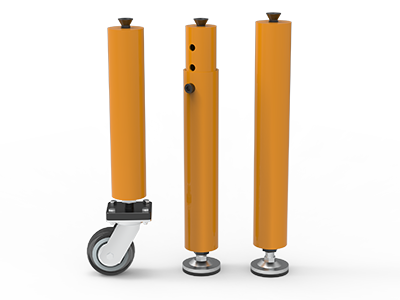
 Round Table Legs
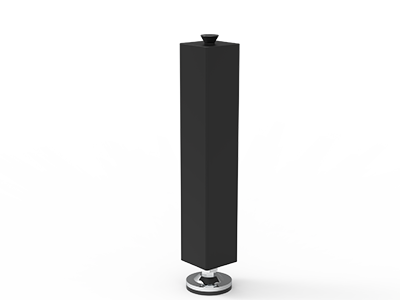 Square Table Legs
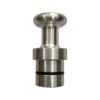
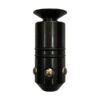
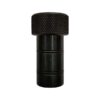
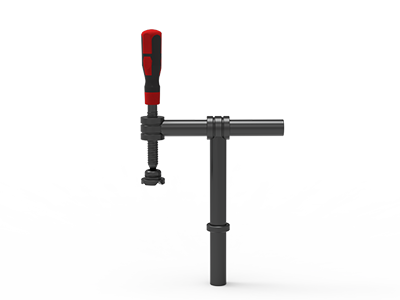 Clamp 180°
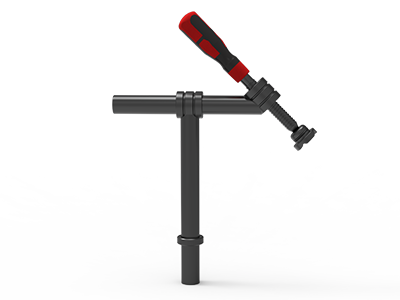 Clamps 45°
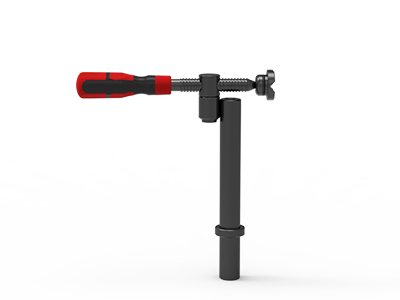 clamp 90°
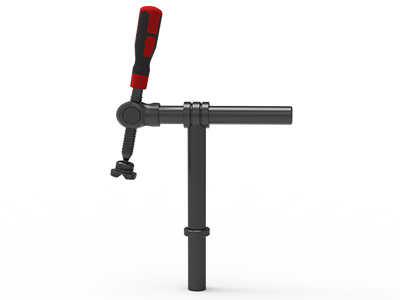 DRINK
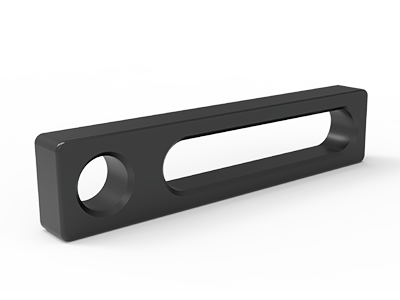 Stop
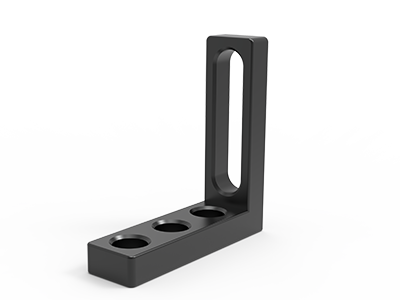 Angle Stop
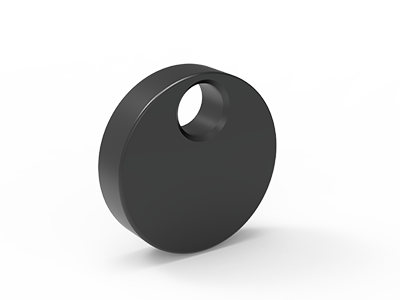 Eccentric Stop Ø 60
 Angle Alignment Template
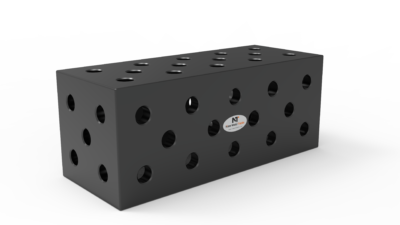 Square u-shape
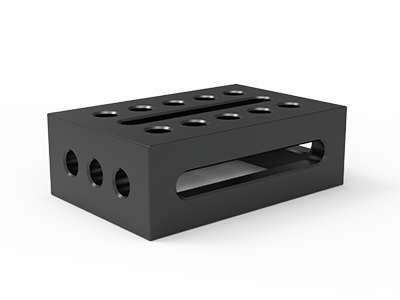 Support and clamping frame
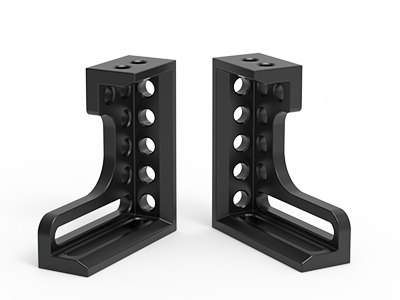 Angle support
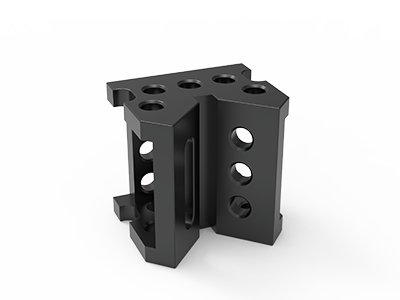 Corner Connection
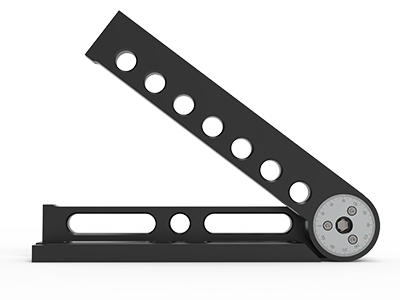 Universal angle clamping
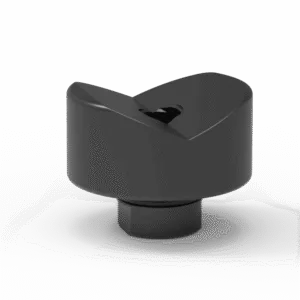 Prism with screwed-in collar
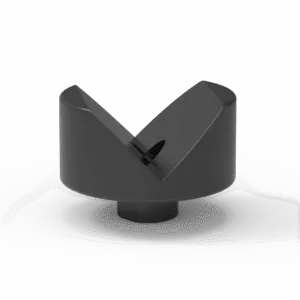 Prism with screwed-in collar
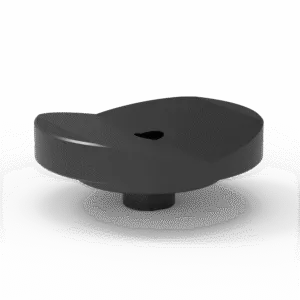 Prism with screwed-in collar
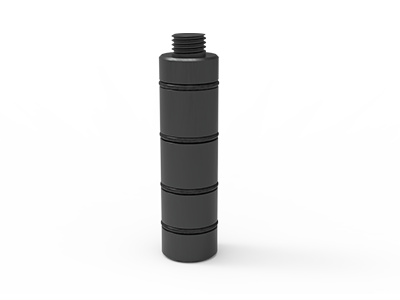 Prism Extension
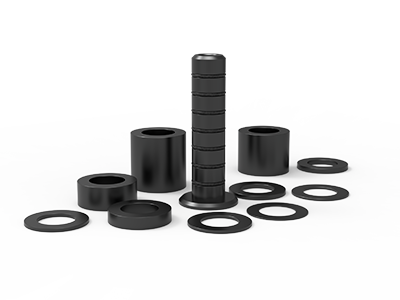 Set of Supports 11-piece set
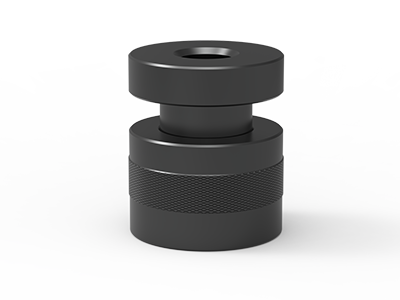 Screw Support Ø 80
 Shipping Bracket
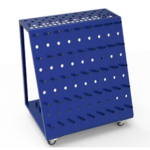 Tool Cart
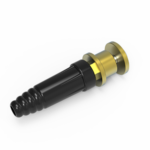 Ground Connection
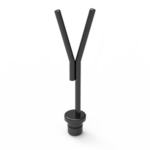 Welding torch holder
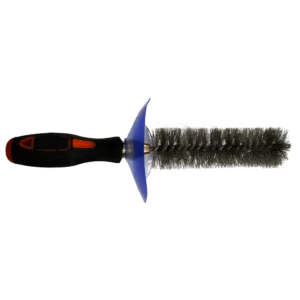 Brush with protecting cover
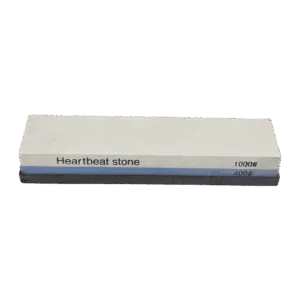 Oilstone
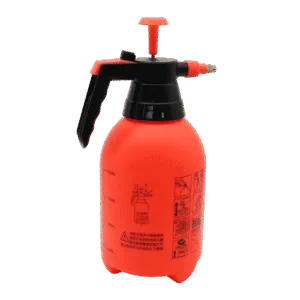 Pump Spray Bottle
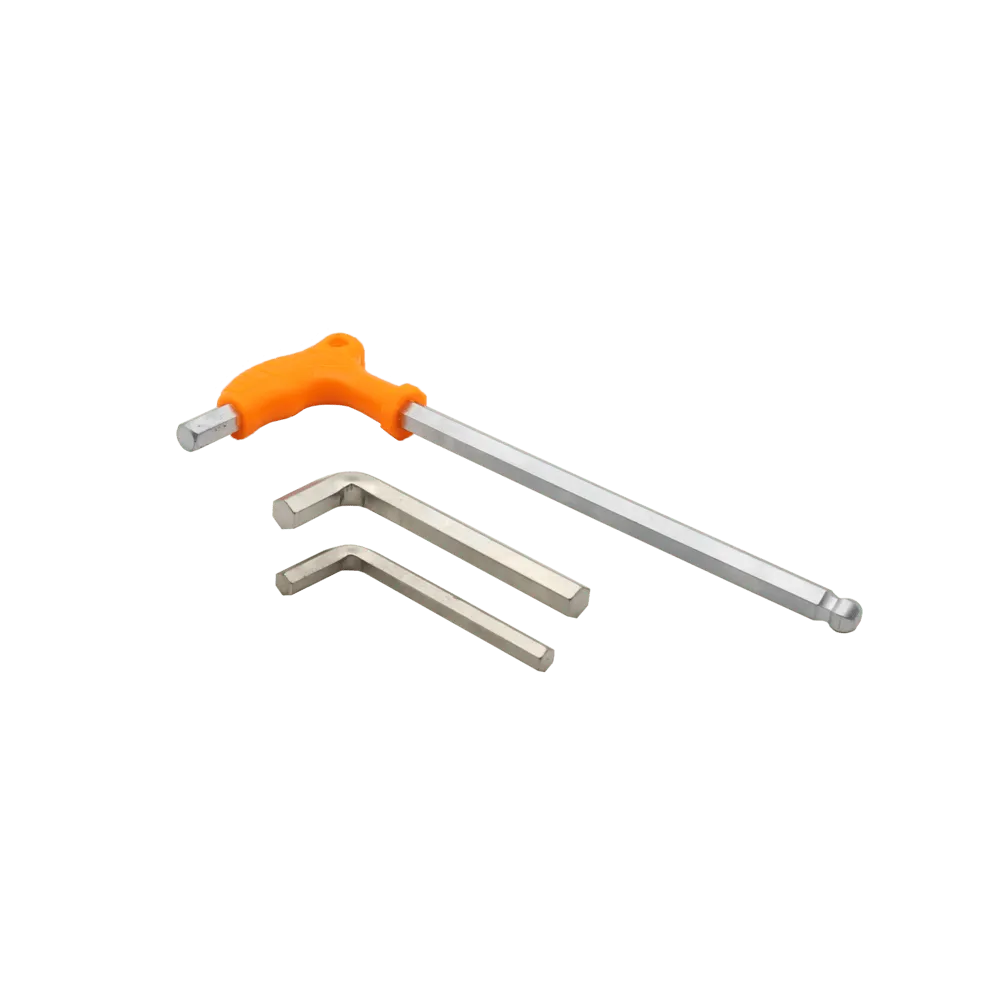 Allen Wrench
D28 Welding Table Bolts: How to Choose the Right Type and Length
Choose a D28 welding table bolt by the joint it must hold, the total thickness of the parts being joined, and the way the bolt engages the table bore. “D28” identifies the nominal hole system; it does not make every bolt interchangeable. Before ordering, confirm the table drawing, accessory hole and counterbore dimensions, bolt clamping range, head clearance, and whether the joint uses a round hole or an oblong slot.
This guide is for a buyer assembling a new D28 tooling package or adding bolts to a table already in service. The practical question is simple: which bolt secures a stop or square without bottoming out, sitting proud where the workpiece must rest, or loosening during repeated setups?
Start with the joint, not the bolt name
Make a quick sketch of each connection. A stop fastened directly to the table is a different stack from two angles joined above the table. Record the thickness of every accessory at the bolt hole, including any spacer or adapter. Do not use the nominal “50 mm” or “75 mm” in a product title as the measured clamping range. Those labels distinguish catalogue versions; the usable range must come from the drawing for the exact SKU.
For each joint, answer five questions:
- Is the bottom connection into the table top, a side plate, or another fixture component?
- How many components does the bolt pass through, and what is their combined thickness at the hole?
- Is each opening a round bore, a countersunk bore, or an oblong slot?
- Must the bolt head remain below the workpiece contact plane?
- Will the operator move this fixture several times per shift, or is it a longer-term assembly?
These details determine the head style, operating method and length. If the drawing does not show the stack at the actual hole location, request a section view before buying a mixed set of bolts.
What the main D28 bolt types are for
| Bolt style | Useful when | Check before ordering |
|---|---|---|
| Quick or fast clamping | Stops and squares are repositioned often. | Operating tool or handle clearance, locking action and stated clamping range. |
| Flush or countersunk | A projecting head would block a workpiece or another accessory. | Matching countersink geometry and whether the specific model is approved for slots. |
| Connecting bolt | Two tooling components form a more persistent assembly. | Stack thickness, tightening method and access for removal. |
| Positioning bolt | An accessory needs location at a second hole. | Whether it actually clamps or only locates; do not substitute location for restraint. |
NewWeldTable lists a D28 fast clamping bolt in a 50 mm version and a D28 flush mount bolt in a 50 mm version. These are examples of different head and operating choices, not a statement that either fits every D28 table. Ask for the current dimensional drawing and clamping range for the selected SKU, especially if you are combining brands.
Quick clamping for frequently moved tooling
A quick clamping bolt is useful where an operator releases a stop, moves it to a new grid position and locks it again. The saving is in handling steps, provided the bolt is fully engaged and the handle or tool can be reached. Test access with the real clamp, square and workpiece in place. A handle that clears an empty table may be trapped once a large frame is loaded.
Inspect how the bolt retains its position after repeated cycles. Check the maker’s operating instructions and maintenance advice, and replace a damaged bolt instead of increasing force to compensate for worn engagement parts. A quick mechanism is a tooling component, not a general lifting point or an automatic proof of joint strength.
Flush heads where contact height matters
A flush head can keep the fixture top clear for a flat sheet, a support block or a second tool. That benefit depends on a correctly matched countersink. If the head sits above the surface, it may create a false support point; if the countersink is too deep or shaped differently, the intended seating may be lost. Confirm the included angle, depth and head diameter from both drawings, then trial fit a sample.
Do not assume a countersunk bolt is suitable for every slotted accessory. DEMMELER’s product instructions for its PC countersunk D28 bolt explicitly restrict that model to round bores. That is a model-specific instruction, not a universal rule for all brands; check the exact bolt you will purchase.
Connecting and positioning are different jobs
Connecting bolts hold fixture elements together. A positioning bolt may set the location of a stop or block at a second hole without supplying the same clamping function. The distinction matters on a tall square, where an overturning load can act well above the table surface. Follow the accessory maker’s required bolt count and fastening arrangement rather than treating any second pin as a substitute for a clamp.
DEMMELER’s 2025 welding tooling catalogue separates clamping bolts, stop and positioning bolts, and connecting bushes by use. The categories are helpful for planning, but its stated ranges and ratings apply to its own products. Request equivalent data for the NewWeldTable SKU on your purchase order.
Check the whole D28 interface
A 28 mm nominal bore is only the starting point. A cross-brand fit check should cover bore size and tolerance, chamfer, table-plate thickness, accessory hole geometry, bolt body diameter, engagement mechanism and the manufacturer’s permitted stack thickness. Check the side-face holes separately if the fixture will be built vertically.
For example, the TA282010N D28 table is listed as 2,000 × 1,000 mm with a 100 × 100 mm grid, Q355B steel construction, nitriding and oxidation treatment, and side-face clamping holes. Those table specifications help plan where tools can be placed; they do not establish the fit or load rating of an unverified third-party bolt. Use the actual table and bolt drawings for the interface decision.
Grid pitch is another separate dimension. A 100 mm grid positions a bolt base every 100 mm in its standard holes; an adjustable stop can provide an intermediate contact position. A longer bolt does not compensate for a missing mounting point. If your fixture layout needs denser positions, compare the table grid and accessory adjustment before finalizing the bolt list.
Use a sample fit test for mixed-brand tooling
If you already own D28 accessories, send one representative bolt and one representative stop or square to the supplier, or agree on a documented fit check using controlled drawings. The test should use the table’s top and side bores that will be used in production. A bolt that enters one hole is not yet proven suitable for the full assembly.
- Clean and inspect. Remove chips and spatter from the bore, and check the bolt for burrs or damaged locking parts. Surface treatment should not be scraped away to make a poor fit seem acceptable.
- Assemble the actual stack. Use the intended square, stop, spacer or extension, not a loose plate of approximately the same thickness.
- Check full seating. The accessory must sit on its designed reference face without rocking. Verify that the bolt has engaged as its maker specifies and has not bottomed out.
- Check access and release. Operate the bolt with the nearby clamps and workpiece in place. Confirm that it releases without levering against the machined table face.
- Document the result. Record the table model, bolt SKU, accessory SKU, stack thickness and any approved limitations. Keep a photo of the assembled section for repeat orders.
Do not infer a safe clamping load from a successful hand fit. Published force or torque values, where available, belong to a specified bolt and joint configuration. For a critical setup, obtain the maker’s limit and engineering advice. Our supplier audit checklist explains what evidence to request for tooling compatibility and inspection.
Build a practical bolt list for the first order
Start from one or two real fixture layouts instead of ordering a large number of every style. Count the bolts needed to secure stops, squares, clamps and any vertical extensions at the same time. Add the connection type beside each count. This prevents a common purchasing error: receiving enough bolts in total, but too few in the lengths or head styles needed for the first production fixture.
For each line in the request for quotation, specify:
- Table model, top size, nominal D28 hole system and grid pitch.
- Material and surface treatment of the table, plus whether side-face holes will be used.
- Accessory drawing or SKU, number of stacked components and measured thickness at the hole.
- Required bolt function: quick release, flush top, connecting or positioning.
- Quantity per fixture, number of simultaneous fixtures and sensible spares for your maintenance plan.
- Existing tooling brand and sample-fit requirement, if you are mixing systems.
- Destination country and packing preference so bolts can be identified and protected separately from the table surface.
Ask the supplier to mark the bolt SKU on the packing list and group short and long versions in separate labeled bags or boxes. Keep small locking parts from moving freely against a machined or treated table face during export transit. The shipment documents should let the receiving team reconcile bolt counts without opening every accessory bundle.
Common questions before you buy
Are all D28 welding table bolts interchangeable?
No. The nominal hole system does not specify bolt tolerances, locking design, countersink shape or clamping range. Compare drawings and test the exact table, bolt and accessory combination.
Should I choose a 50 mm or 75 mm bolt?
Choose from the manufacturer’s stated clamping range for the measured joint stack. The catalogue length in a product title is not enough to decide. A bolt that is too short may not engage properly; one that is too long may bottom out.
Can a positioning bolt replace a clamping bolt?
Only if the manufacturer explicitly approves that role in the specific fixture arrangement. Location and restraint are different functions. Check the required fasteners for the accessory and the direction of the expected loads.
Send the joint details for a bolt and tooling quote
Send a table model or drawing, two or three fixture photos or sketches, the accessory stack thicknesses, and the destination country. We can then identify candidate D28 bolt styles and the drawings needed for a fit check. Use the Request a Quote form and note whether you need a complete table package or bolts for an existing installation.