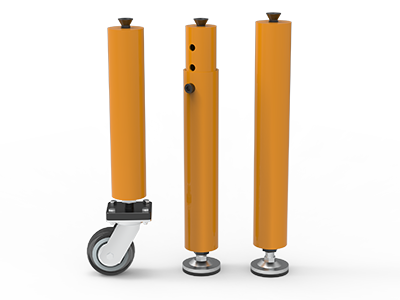
 Round Table Legs
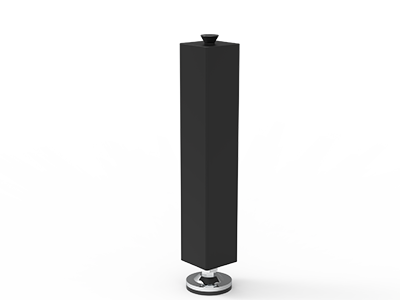 Square Table Legs
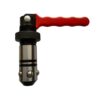
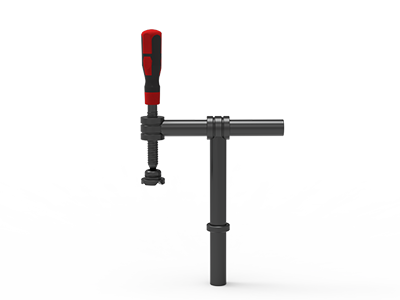 Clamp 180°
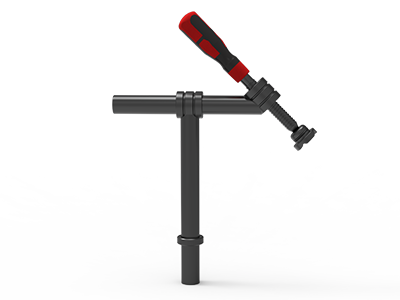 Clamps 45°
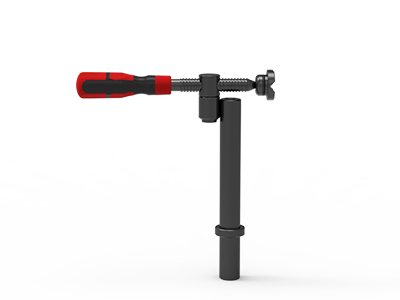 clamp 90°
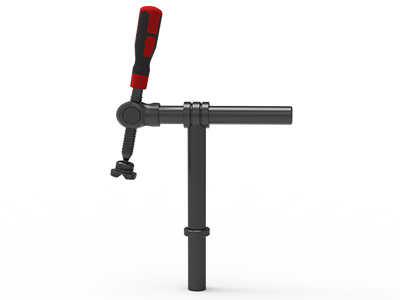 DRINK
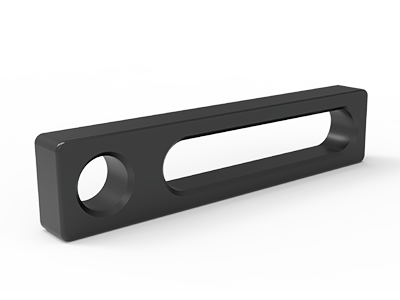 Stop
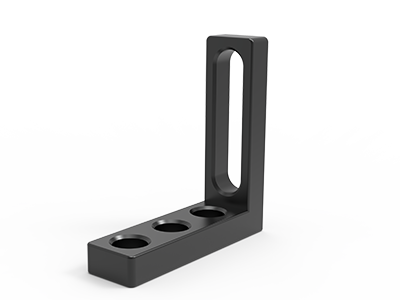 Angle Stop
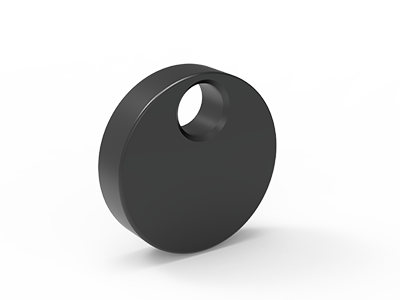 Eccentric Stop Ø 60
 Angle Alignment Template
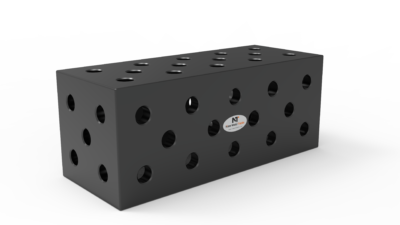 Square u-shape
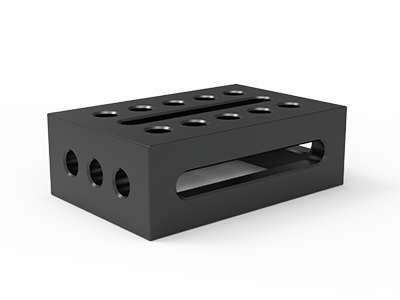 Support and clamping frame
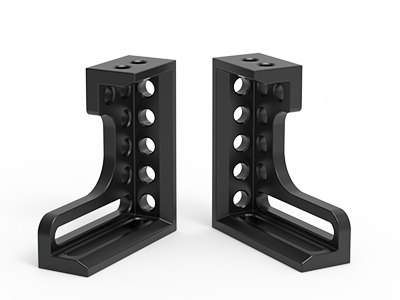 Angle support
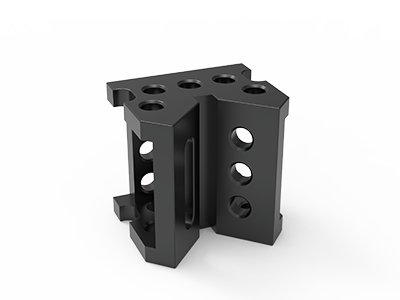 Corner Connection
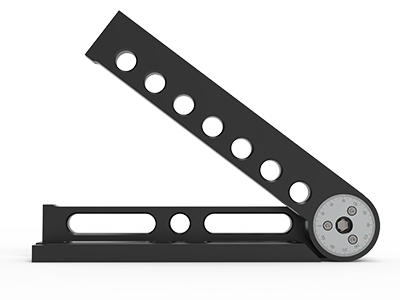 Universal angle clamping
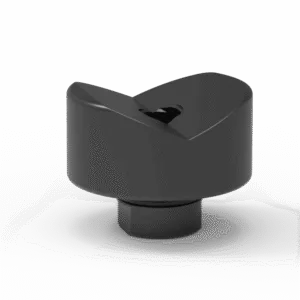 Prism with screwed-in collar
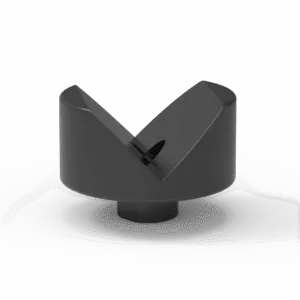 Prism with screwed-in collar
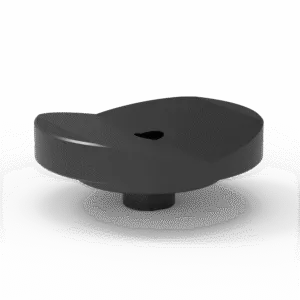 Prism with screwed-in collar
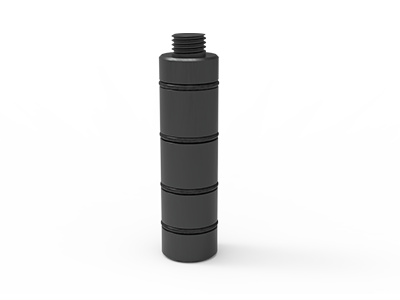 Prism Extension
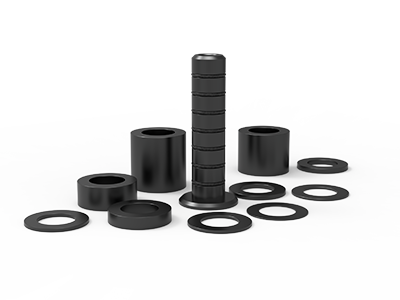 Set of Supports 11-piece set
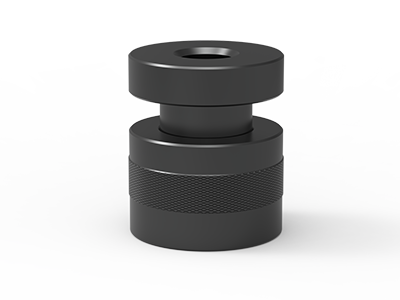 Screw Support Ø 80
 Shipping Bracket
 Tool Cart
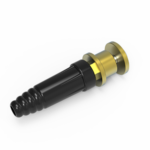 Ground Connection
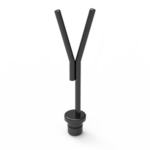 Welding torch holder
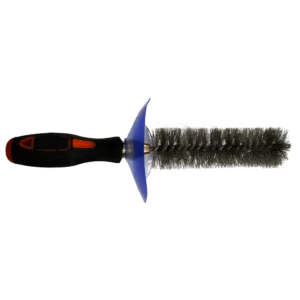 Brush with protecting cover
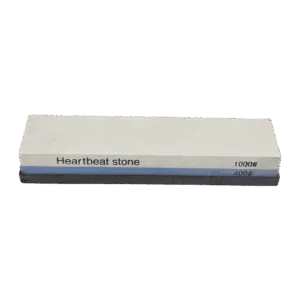 Oilstone
 Pump Spray Bottle
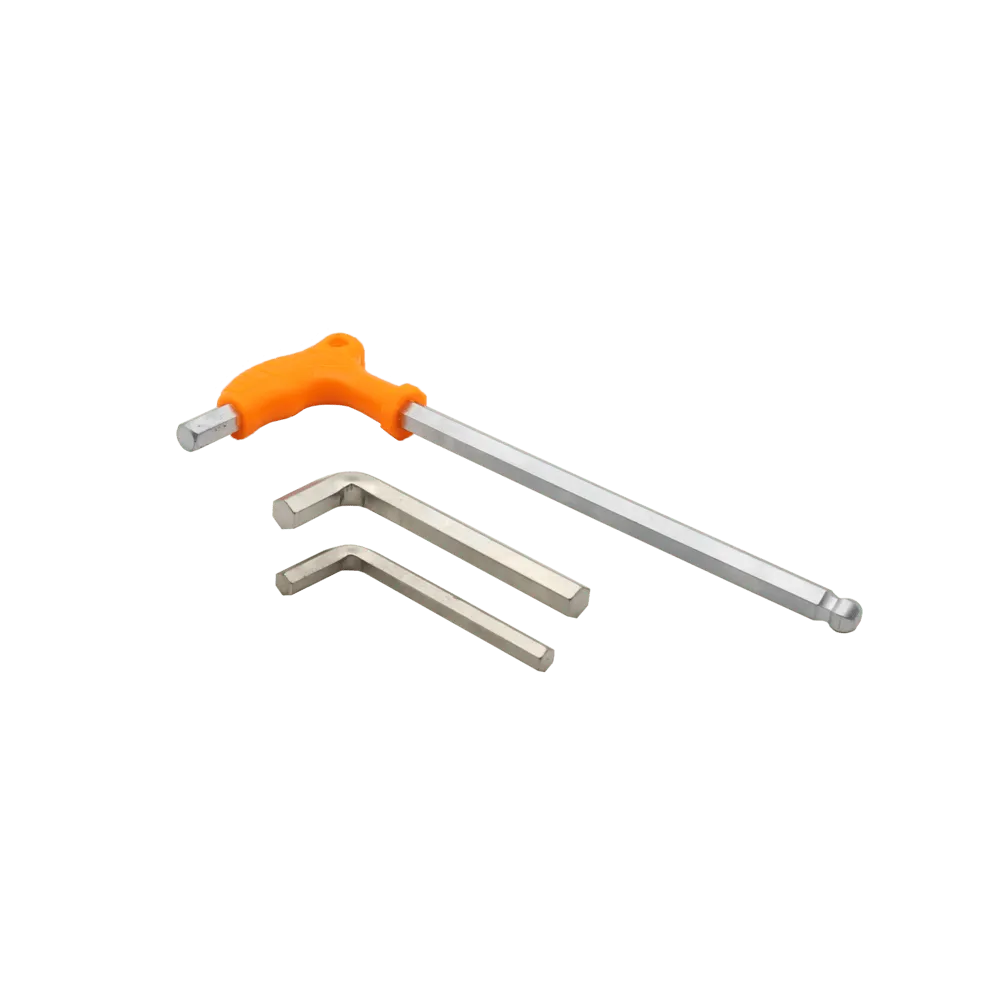 Allen Wrench
3D Welding Tables vs Traditional Welding Jigs: A Cost-Benefit Analysis
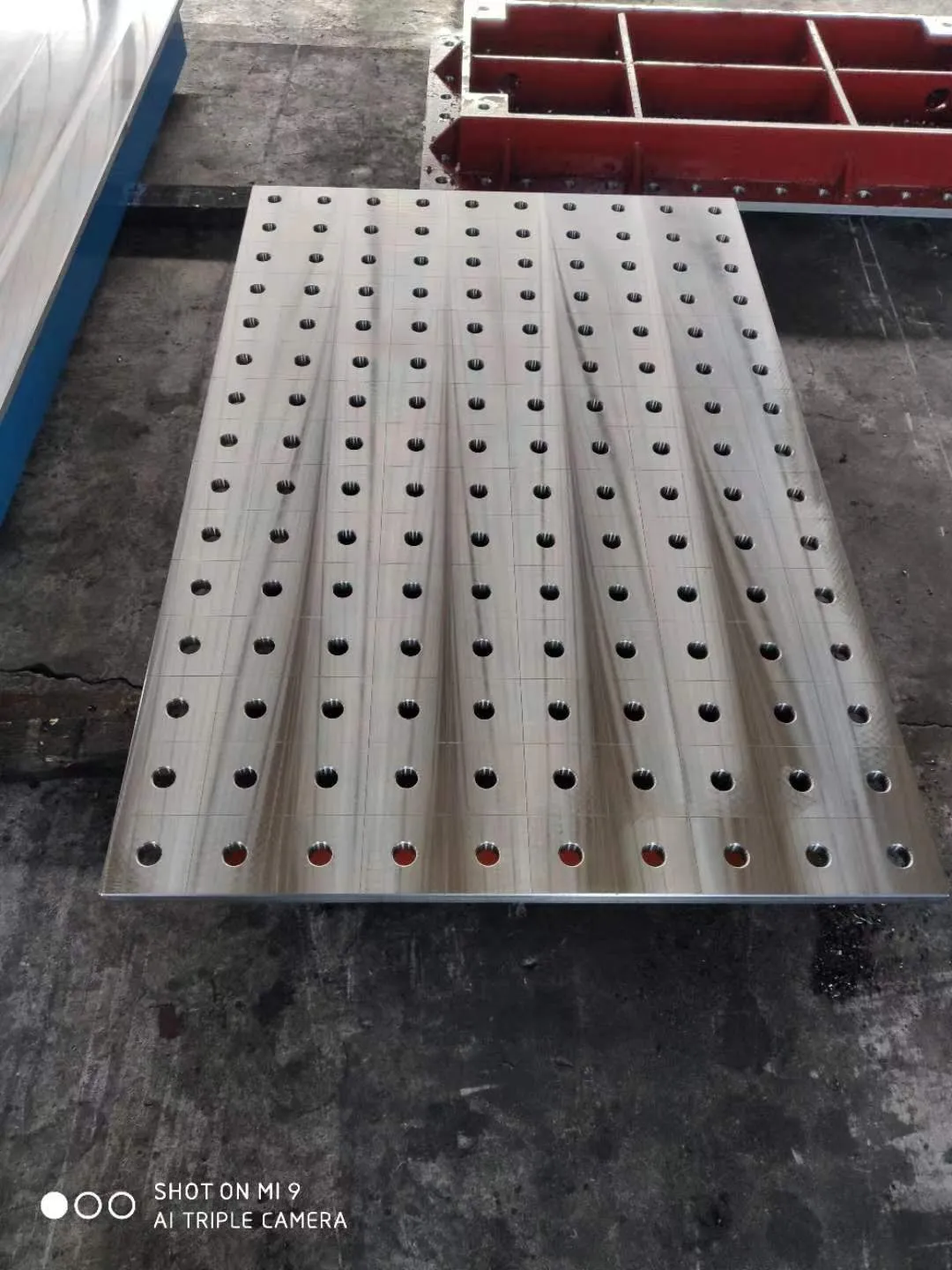
For decades, fabricators relied on dedicated welding jigs and fixtures for repeatable production work. But as manufacturing demand shifts toward greater flexibility and shorter lead times, the 3D modular welding table has emerged as a compelling alternative. This article breaks down the real costs and benefits of each approach.
The Traditional Welding Jig Approach
A custom welding jig is purpose-built for one specific workpiece. It offers excellent repeatability — once set up, every part comes out identical. For high-volume production of a single product, this remains the classic solution.
Cost breakdown: A single custom jig typically costs €500-€5,000 depending on complexity. For a product line requiring 5 different jigs, that’s €2,500-€25,000 upfront. Worse, when the product design changes or the production run ends, the jig becomes scrap metal. Each new product requires entirely new tooling investment.
Hidden costs: Storage space for jigs, maintenance and repair, engineering time for jig design, and the delay between product development and jig fabrication. For small-to-medium batch production, these costs add up quickly.
The 3D Modular Welding Table Alternative
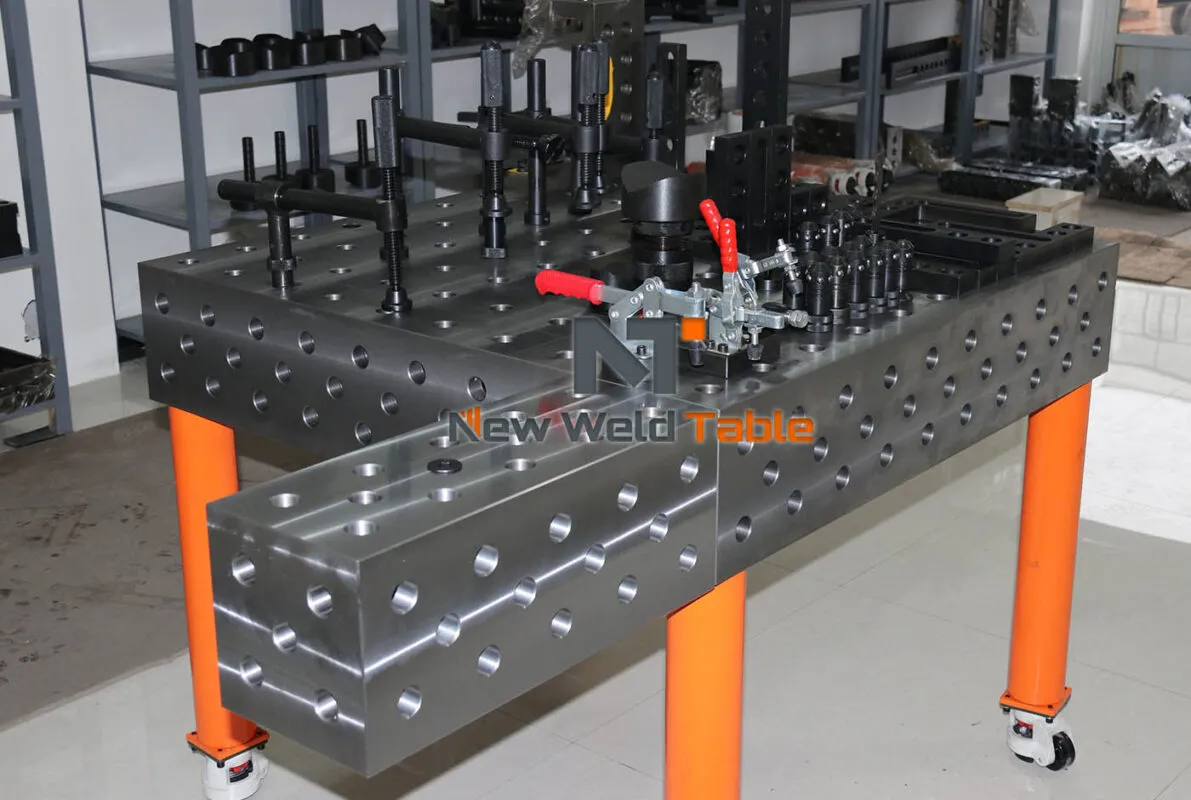
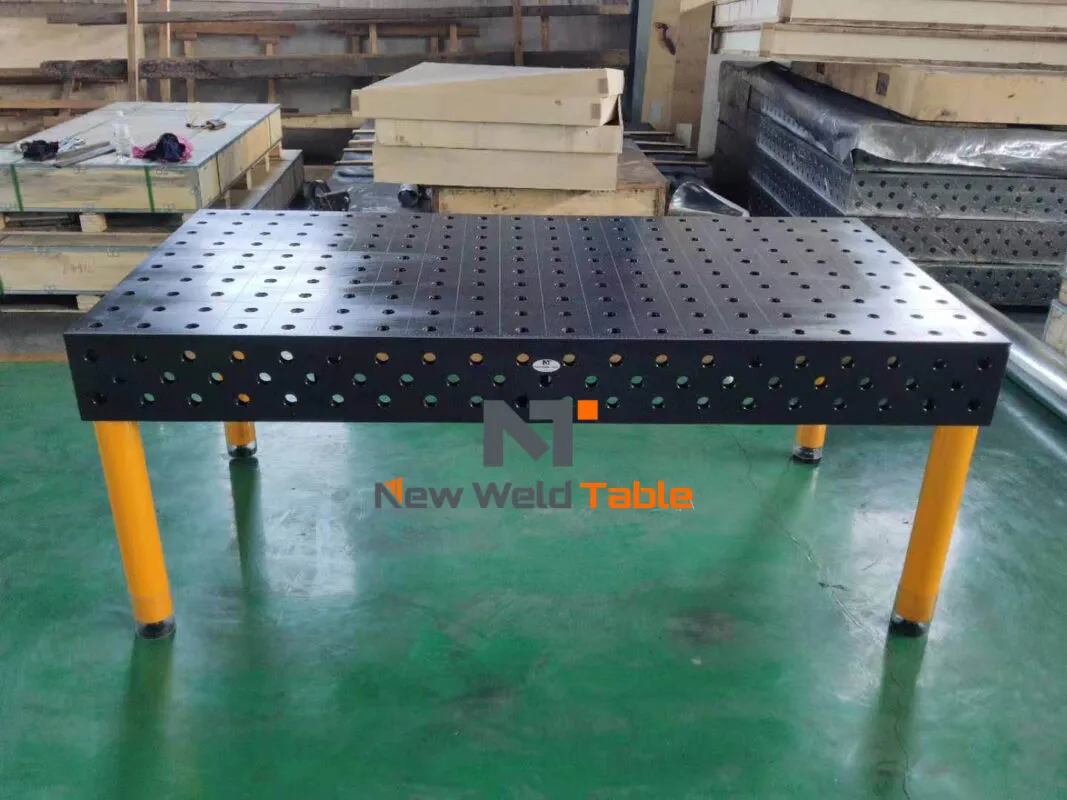
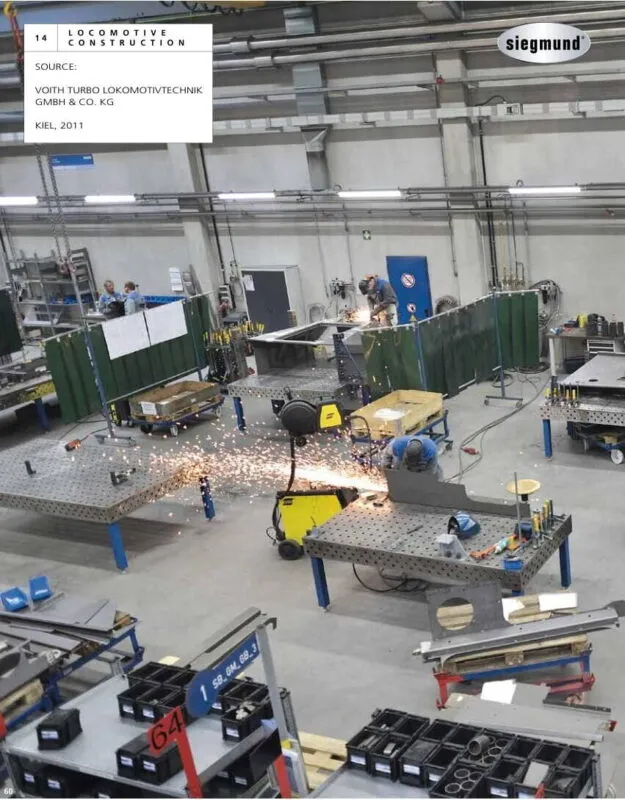
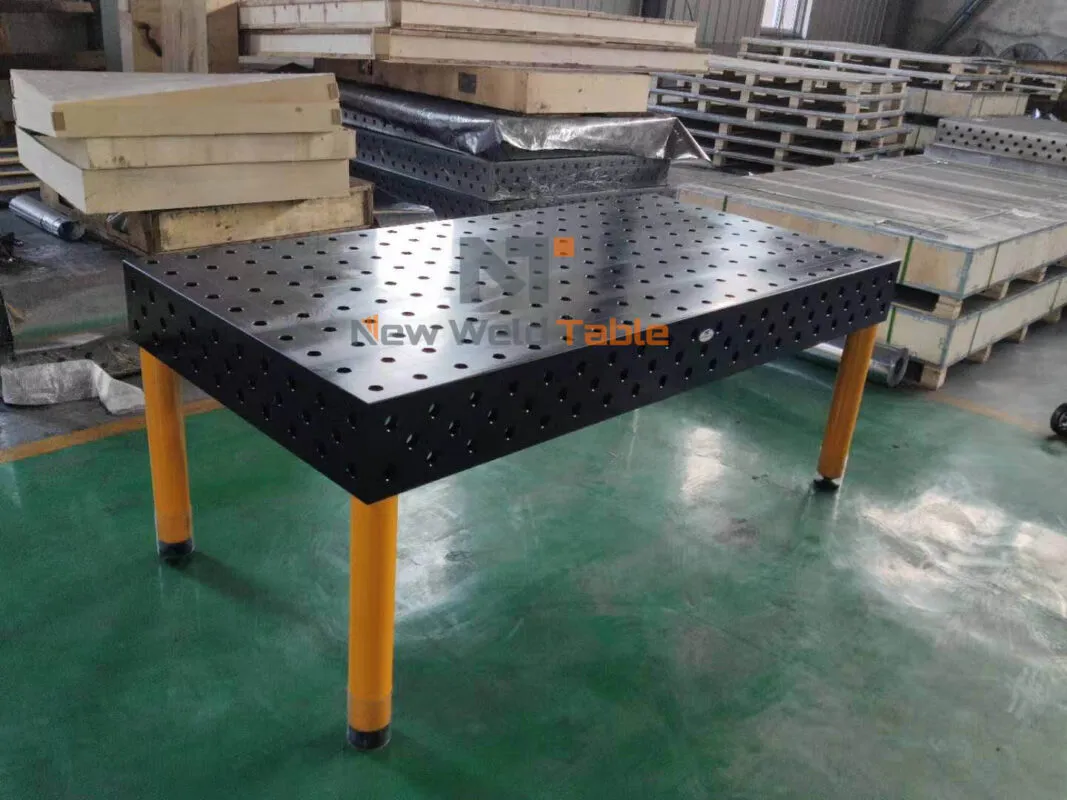
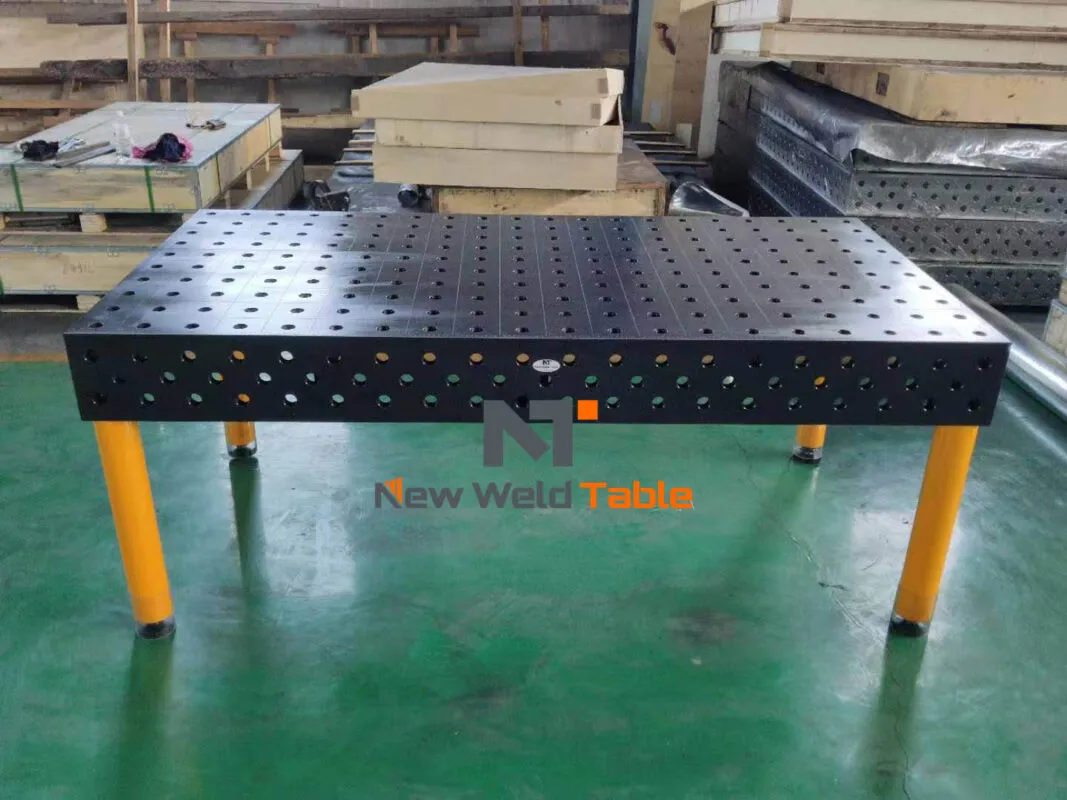
A D16 or D28 3D welding table system uses a precision-machined grid of holes (16mm or 28mm diameter) combined with modular clamping accessories to create workholding solutions for virtually any geometry.
Cost analysis: A 1500x1000mm D28 table with a basic clamp set costs approximately €2,500-€4,500. While this seems comparable to a single jig, the key advantage is reusability — you can reconfigure the same table for hundreds of different workpieces without additional tooling costs.
Over a 5-year period serving a workshop with 20 different product variations per year:
- Traditional jigs: 20 jigs × €2,000 average = €40,000 + 5-year maintenance + storage
- 3D welding table system: One-time cost of €3,500 + €1,500 in modular accessories = €5,000 total
The 3D table system delivers approximately 87% cost savings over five years for diverse production.
Comparison by Application
High-volume, single-product production — Traditional jigs have an edge if you produce the exact same component thousands of times per year with no design changes. However, even here, combining a 3D table with a simple repeatable stop system can achieve similar cycle times.
Small-to-medium batch production (1-500 units) — The 3D welding table is significantly faster and cheaper. Setup times drop from days (designing and fabricating a jig) to 15-30 minutes (reconfiguring modular clamps).
Prototyping and R&D — Modular tables are ideal. Engineers can adjust workholding on the fly as designs evolve, without waiting for new jigs.
Job shop / custom fabrication — Every workpiece is different. A 3D welding table is the only practical solution and can handle everything from pipe welding to structural steel assembly.
Setup Time Comparison
Time is money in fabrication. Let’s compare setup times for a typical automotive subframe fixture:
- Custom jig: 2-3 weeks design + 1 week fabrication = 3-4 weeks total
- 3D welding table: 30-60 minutes to position clamps and stops
During those 3-4 weeks of jig fabrication, a 3D table user could have already completed the entire production run. For time-sensitive projects, this speed difference is transformative.
Real-World Example
A European automotive supplier switched from dedicated jigs to D28 3D welding tables for their exhaust bracket production line. Results after 12 months:
- 80% reduction in tooling costs
- 65% faster product changeovers
- 40% less storage space required
- 30% reduction in weld distortion through better access for clamping
When to Use Both
The best approach for many workshops is a hybrid strategy: use 3D welding tables as your primary flexible workholding solution, and invest in custom fixtures only for your highest-volume, most critical products. This gives you the flexibility to handle diverse work while maintaining peak efficiency on your bread-and-butter products.
Conclusion
For the majority of European fabrication workshops — job shops, custom manufacturers, and medium-volume producers — 3D modular welding tables offer dramatically better ROI than traditional jigs. The flexibility, speed, and cost advantages make them the smart choice for modern manufacturing.