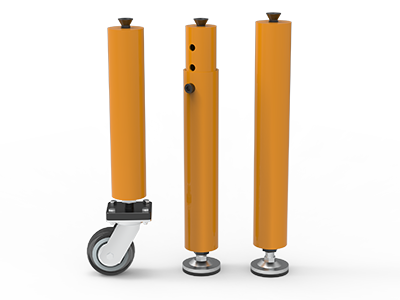
 Round Table Legs
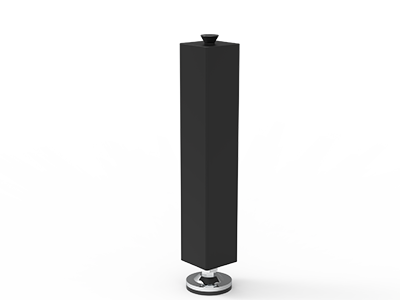 Square Table Legs
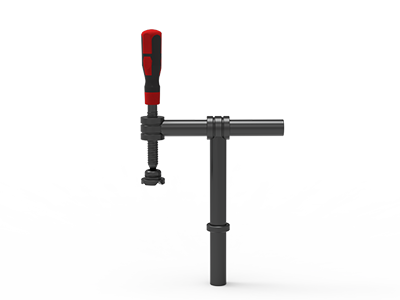 Clamp 180°
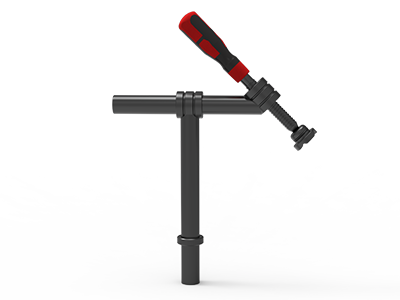 Clamps 45°
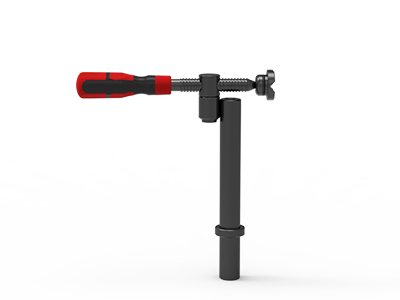 clamp 90°
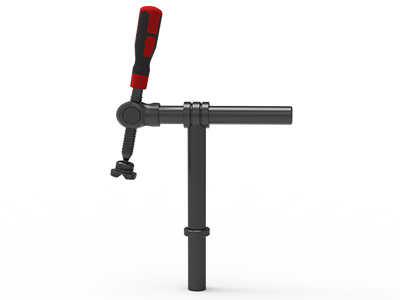 DRINK
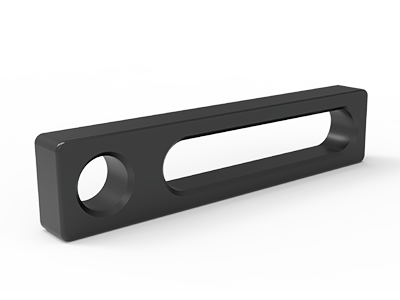 Stop
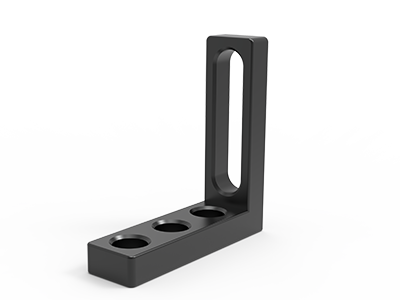 Angle Stop
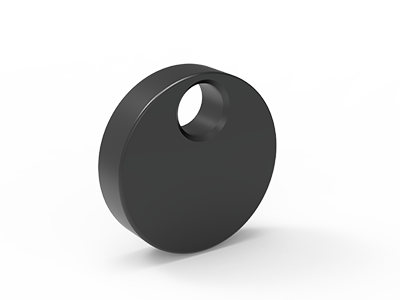 Eccentric Stop Ø 60
 Angle Alignment Template
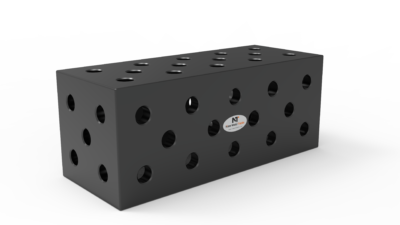 Square u-shape
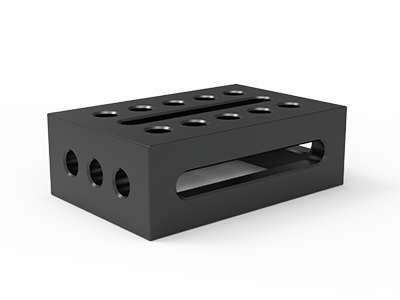 Support and clamping frame
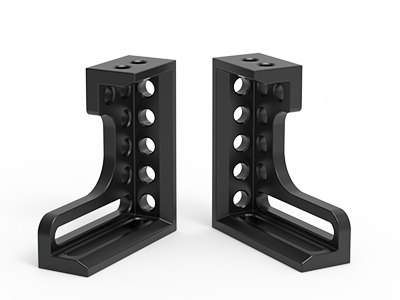 Angle support
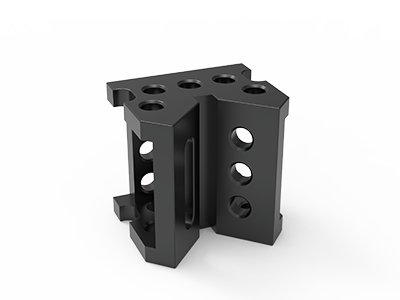 Corner Connection
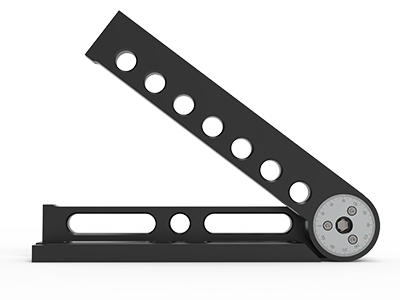 Universal angle clamping
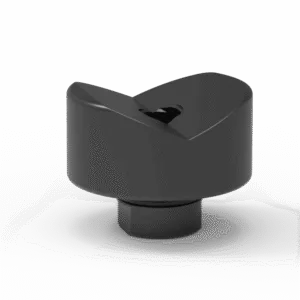 Prism with screwed-in collar
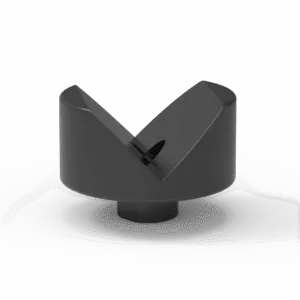 Prism with screwed-in collar
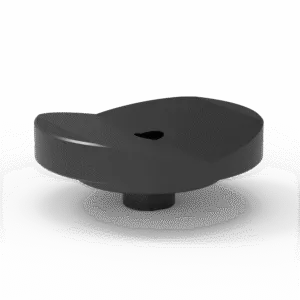 Prism with screwed-in collar
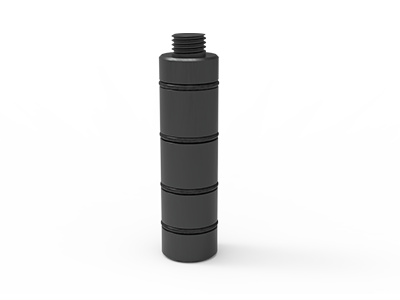 Prism Extension
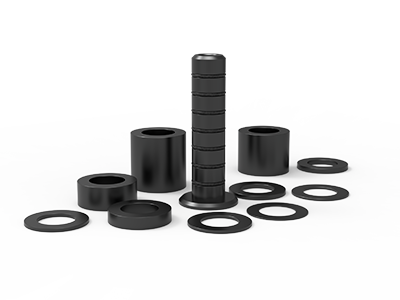 Set of Supports 11-piece set
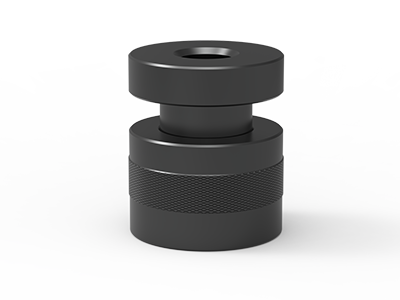 Screw Support Ø 80
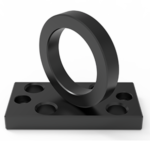 Shipping Bracket
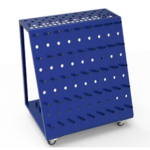 Tool Cart
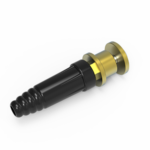 Ground Connection
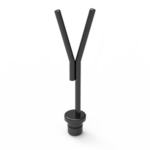 Welding torch holder
 Brush with protecting cover
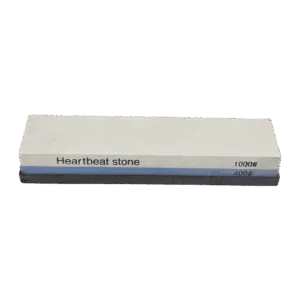 Oilstone
 Pump Spray Bottle
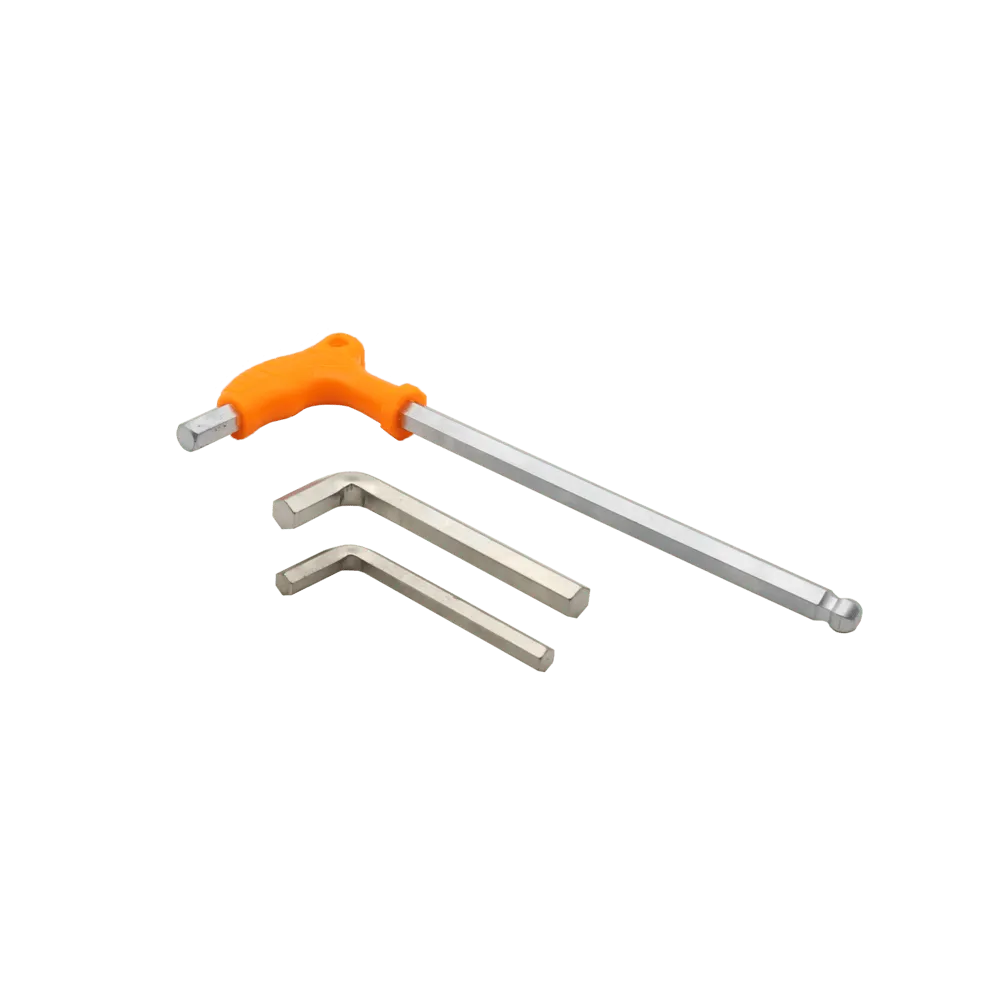 Allen Wrench
5 Key Benefits of Using a Modular 3D Welding Table System
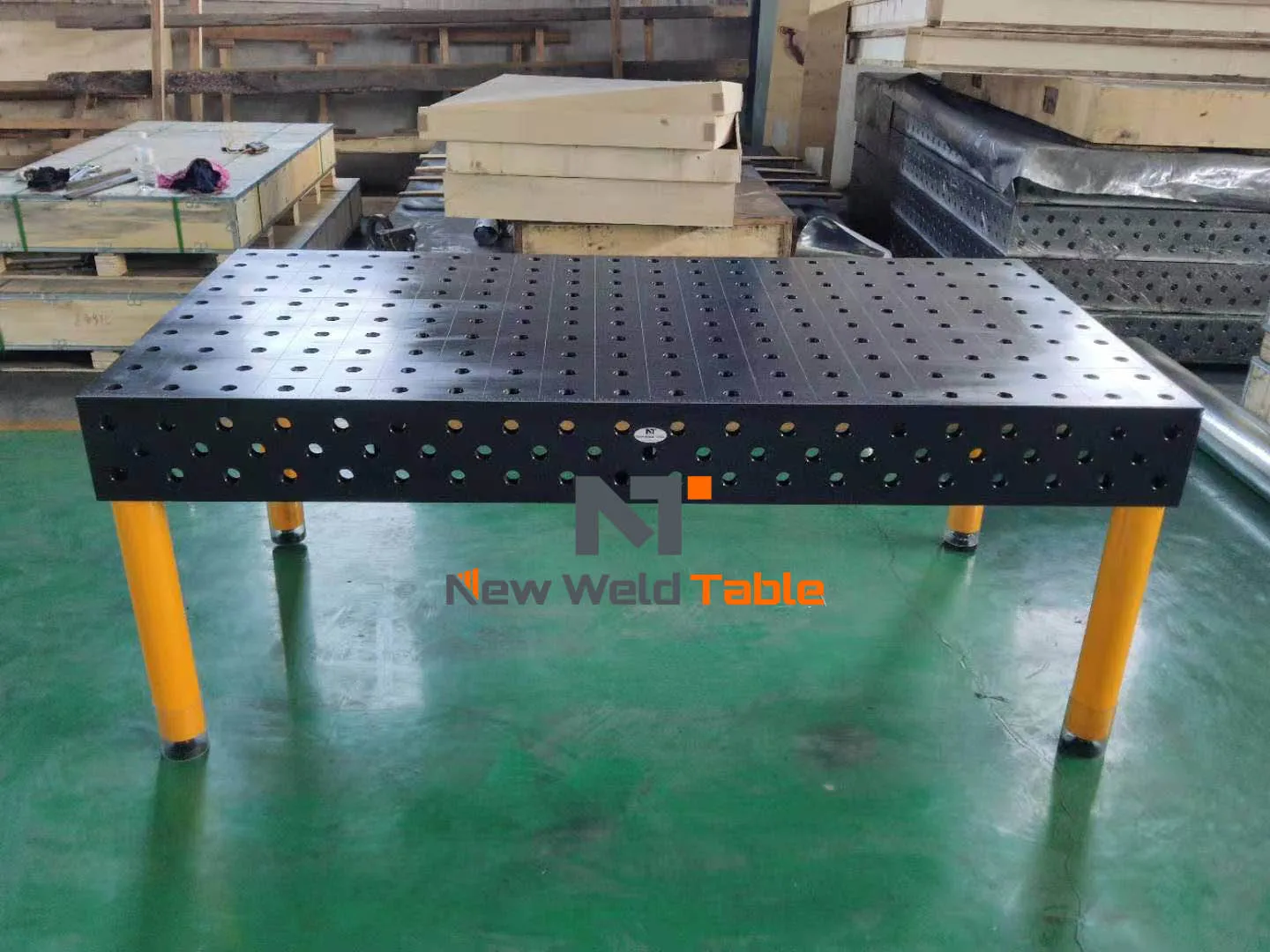
Why Modularity Matters in Modern Welding
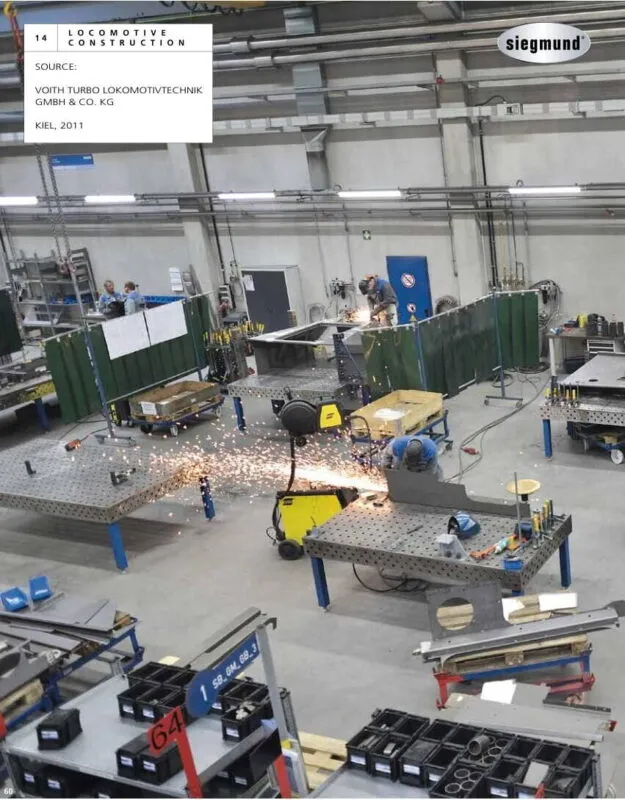
In today competitive manufacturing environment, time is money and precision is everything. Modular 3D welding table systems have revolutionised the way fabrication workshops approach their work. Unlike traditional fixed jigs and dedicated tooling, a modular system offers unmatched flexibility that directly impacts the bottom line. Here are the five key benefits that make modular 3D welding tables an indispensable investment for any serious fabrication facility.
1. Unmatched Precision — ±0.05 mm Accuracy
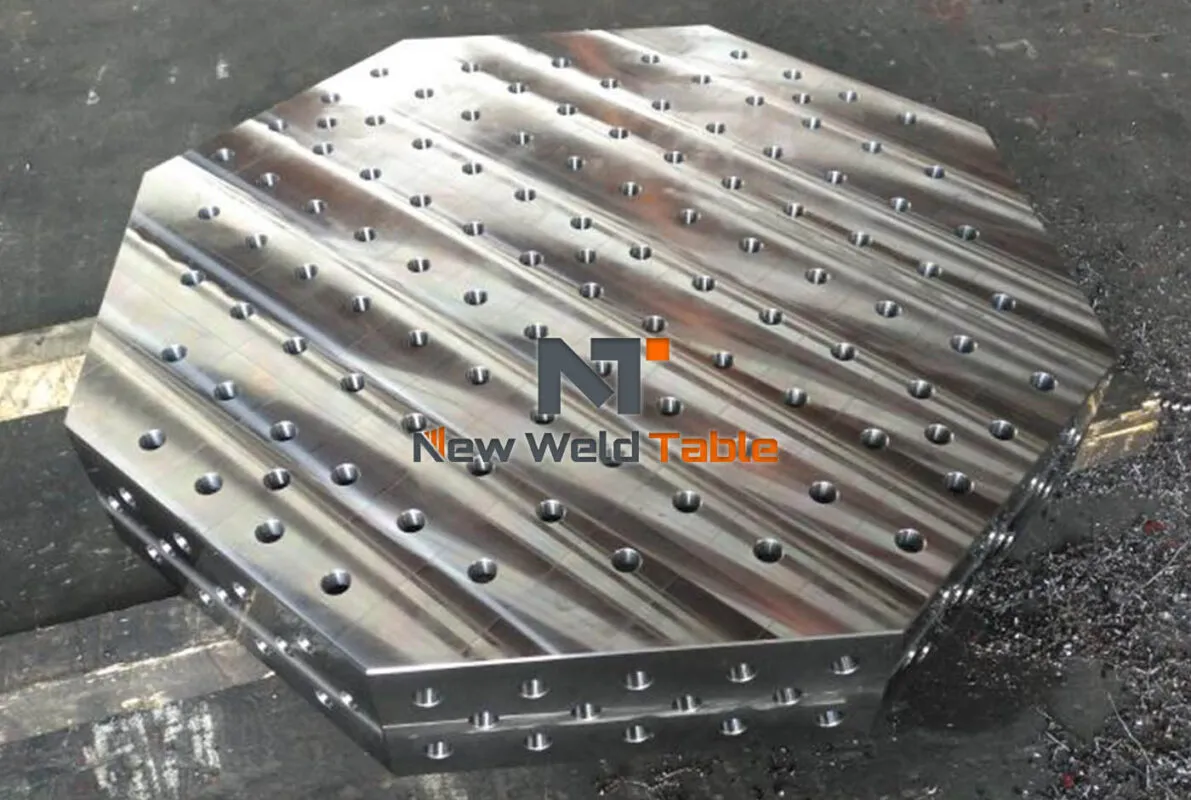
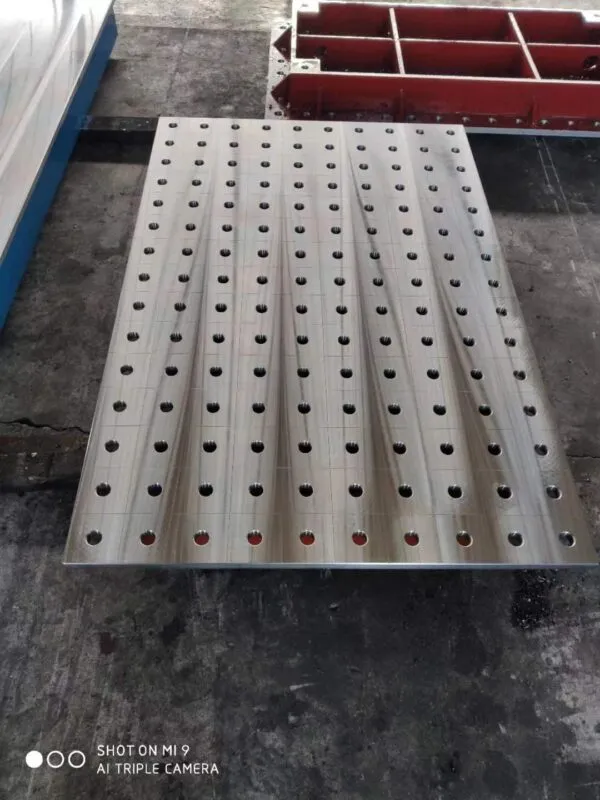
The foundation of any modular 3D welding table is its precision grid system. Every bore is machined to a tolerance of ±0.05 mm, ensuring that clamps, stops, and fixtures locate perfectly every time. This eliminates the cumulative errors that plague traditional fabrication methods.
With the D16 and D28 bore systems, welders can position components with sub-millimetre accuracy without measuring, marking, or rechecking. The result is consistent weld quality across every workpiece, whether you are producing one prototype or a thousand production units. For automotive and aerospace suppliers where tolerances are measured in microns, this level of precision is not just beneficial — it is essential.
2. Faster, More Repeatable Setup Changes
Traditional welding jigs require significant time to design, fabricate, and adjust. Modular 3D welding tables eliminate this entirely. With a standardised grid of precision bores, operators can configure a new fixture in minutes rather than hours.
Consider a typical automotive subframe assembly: a dedicated jig might take 8-12 hours to design and build. On a modular system, the same fixture can be assembled in under 60 minutes using standard components. That is an 80-90% reduction in setup time. Over the course of a year, even a small workshop can recover weeks of productive time — time that can be redirected to actual welding and fabrication.
Furthermore, when a project changes or a design revision comes through, the fixture can be reconfigured in minutes instead of building an entirely new jig from scratch.
3. Dramatic Reduction in Material Waste
Material costs represent a significant portion of any fabrication project. Traditional methods often result in waste from trial-and-error fitting, misaligned cuts, and rework caused by shifting during welding. Modular 3D welding tables address all of these issues.
Because components are precisely located and rigidly held, the first weld is almost always correct. Rework rates drop by 60-70%, saving both material and labour. Clamping forces are evenly distributed across the table, preventing distortion and ensuring consistent gap control. For shops working with expensive materials like stainless steel, aluminium, or specialised alloys, these savings add up quickly.
Additionally, the modular system itself is reusable. When a production run ends, the clamps and stops are simply removed and stored for the next project — no wasted steel, no scrapped jigs.
4. Flexible Scalability for Growing Workshops
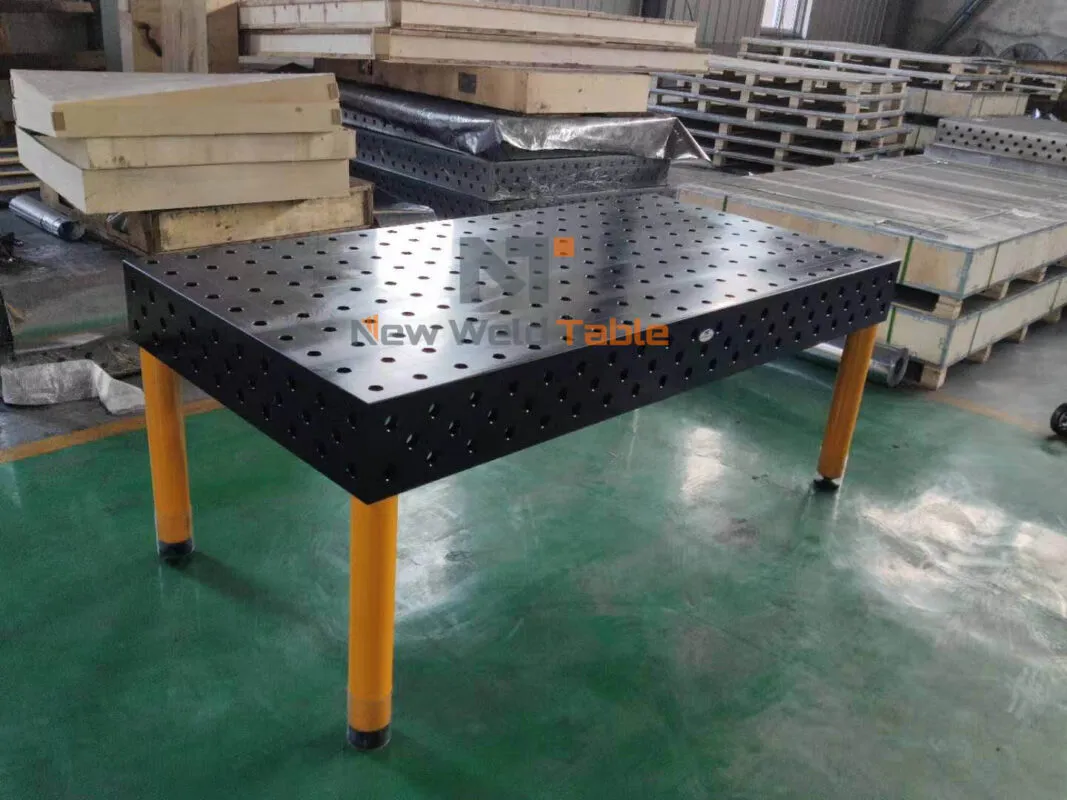
A modular system grows with your business. Start with a single table and expand as needed by adding additional tabletops in custom sizes and configurations. The same accessories, clamps, and tooling are compatible across the entire product range, so your initial investment is protected.
Whether you need to connect two tables for an oversized workpiece, add a rotating fixture for pipe welding, or integrate into an automated production cell, the modular architecture supports it. The D16 and D28 systems are designed to work together where appropriate, giving you maximum flexibility as your production requirements evolve.
5. Rapid Tooling Changeovers Between Projects
In a job shop environment, the ability to switch between projects quickly is a competitive advantage. Modular 3D welding tables make this seamless. A fixture configuration can be documented using a simple grid coordinate system, photographed, and stored for future repeat orders.
When a repeat job arrives, the operator can rebuild the exact fixture in minutes by following the documented layout. There is no need to store bulky dedicated jigs that take up valuable floor space. A single drawer of modular components can replace an entire rack of custom tooling.
For manufacturers who do frequent short-run production — common in European automotive supplier chains — this rapid changeover capability means they can take on more projects and turn them around faster than competitors using traditional methods.
Conclusion
The return on investment for a modular 3D welding table system is compelling. Between precision gains, setup time reduction, material savings, scalability, and rapid changeover, most workshops recover their investment within the first 6-12 months of operation. For European manufacturers looking to stay competitive in global markets, modular welding table systems are no longer a luxury — they are a necessity.