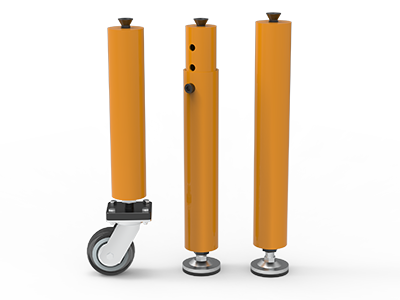
 Round Table Legs
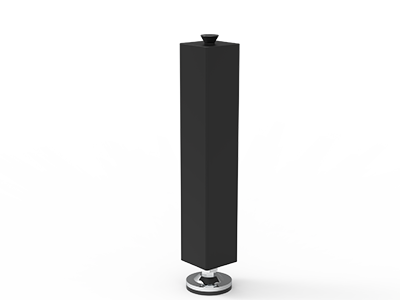 Square Table Legs
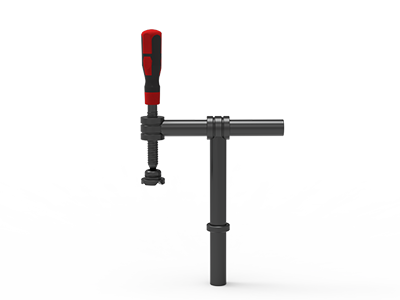 Clamp 180°
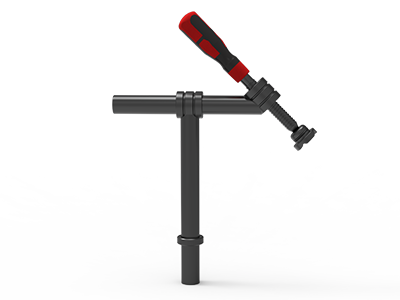 Clamps 45°
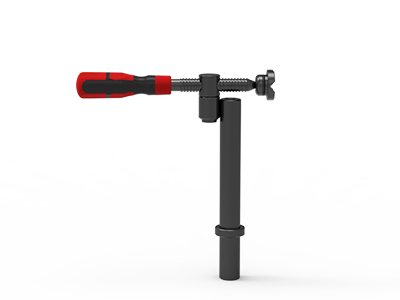 clamp 90°
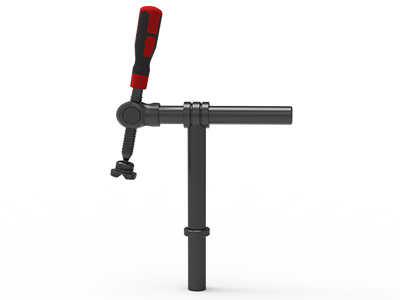 DRINK
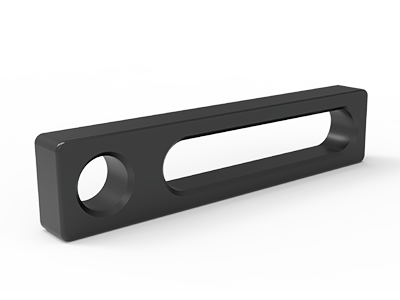 Stop
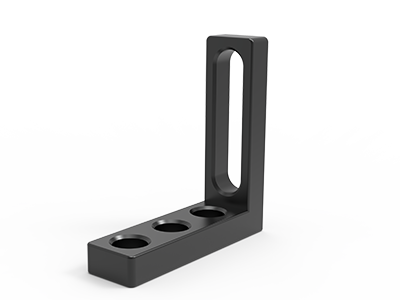 Angle Stop
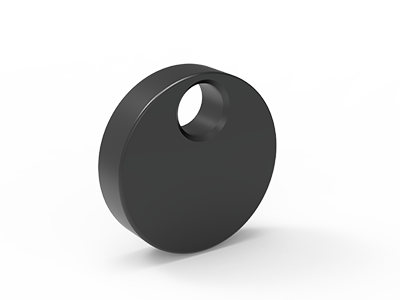 Eccentric Stop Ø 60
 Angle Alignment Template
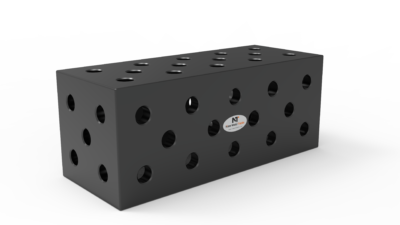 Square u-shape
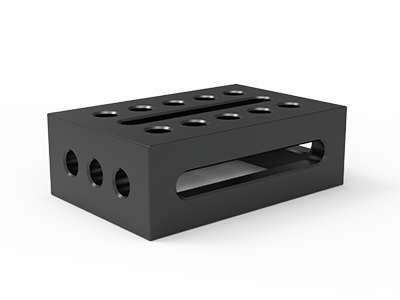 Support and clamping frame
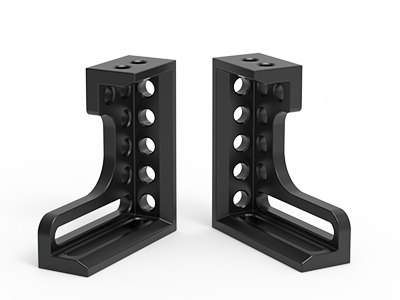 Angle support
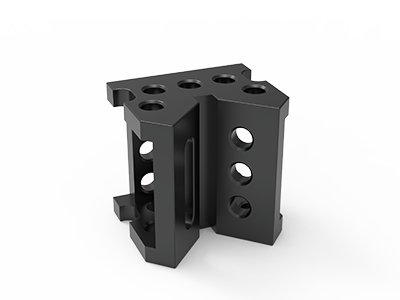 Corner Connection
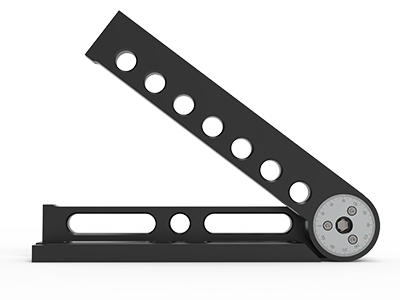 Universal angle clamping
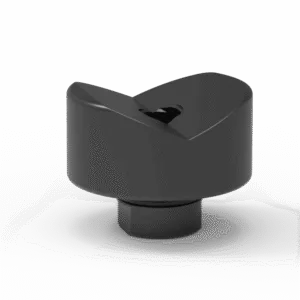 Prism with screwed-in collar
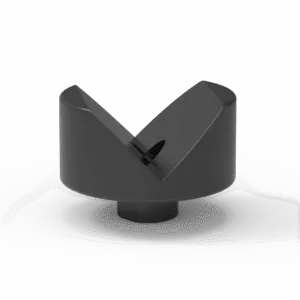 Prism with screwed-in collar
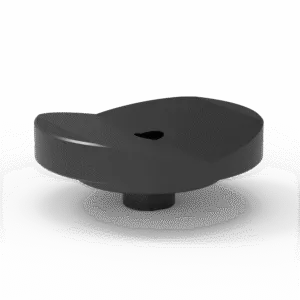 Prism with screwed-in collar
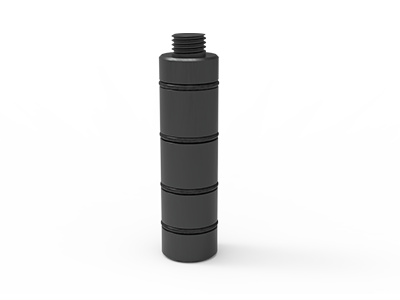 Prism Extension
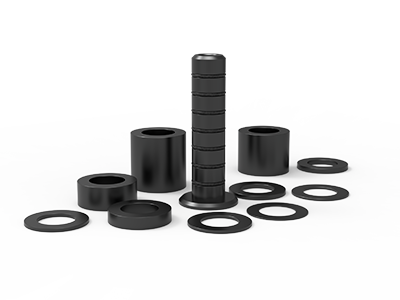 Set of Supports 11-piece set
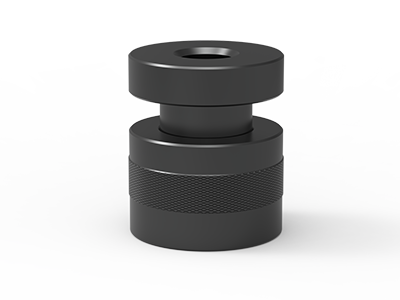 Screw Support Ø 80
 Shipping Bracket
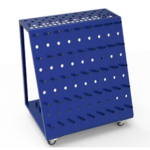 Tool Cart
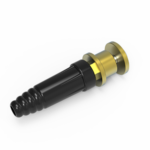 Ground Connection
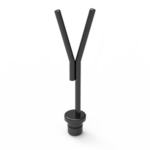 Welding torch holder
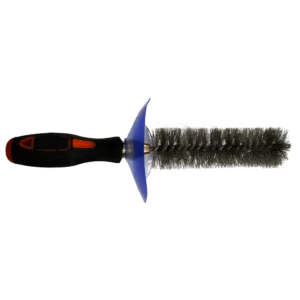 Brush with protecting cover
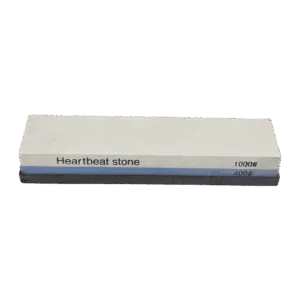 Oilstone
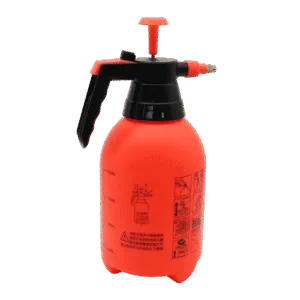 Pump Spray Bottle
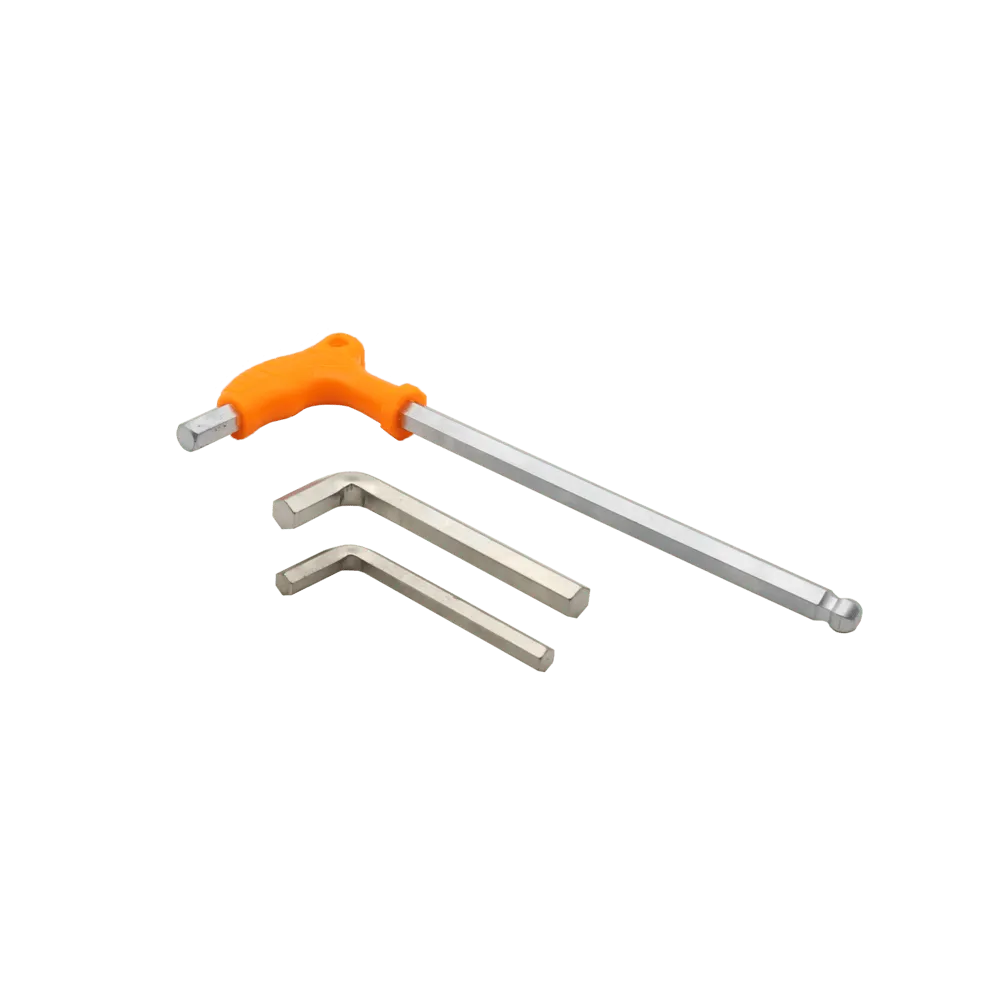 Allen Wrench
How to Choose the Right 3D Welding Table for Your Workshop

Why the Right Welding Table Matters
In professional welding workshops, the welding table is not merely a work surface — it is the foundation of precision, safety, and productivity. A poorly chosen table can lead to misaligned assemblies, rework, and wasted materials. For European manufacturers serving automotive, construction, and heavy industry sectors, selecting the correct 3D welding table is a strategic investment that pays dividends in every project.
Understanding the D16 vs D28 System
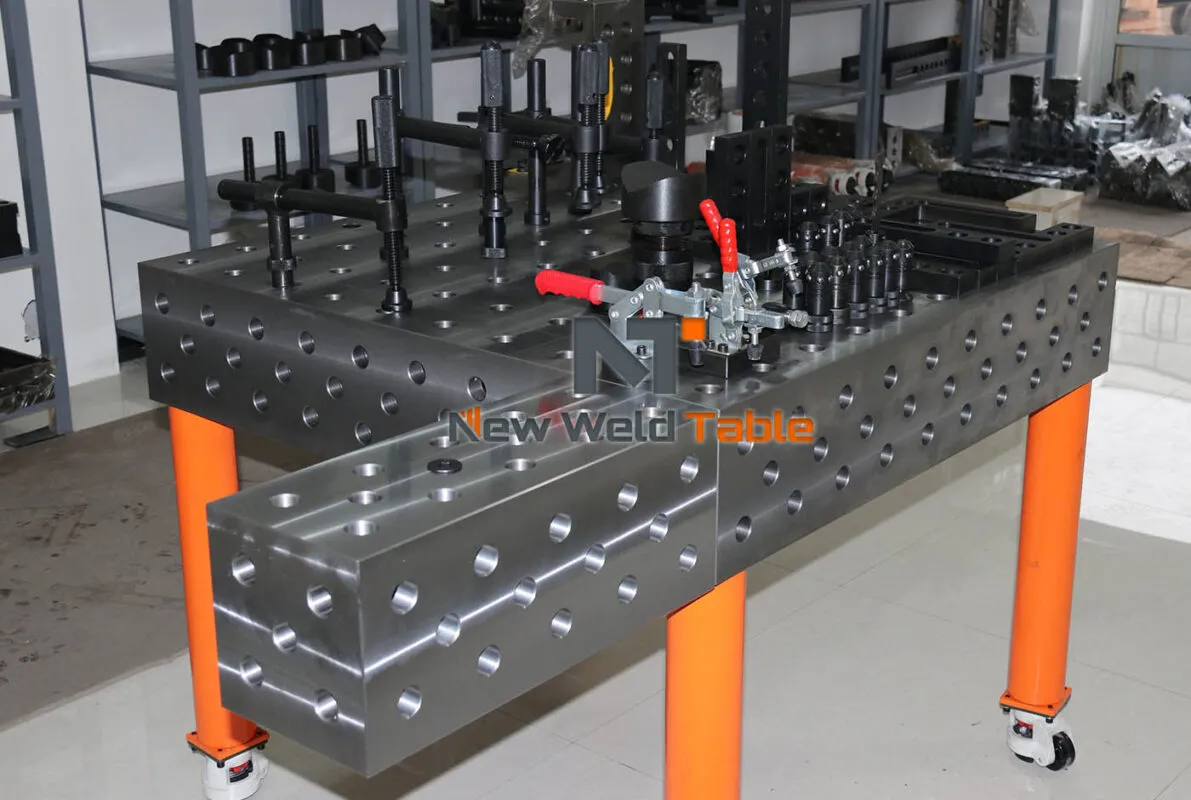
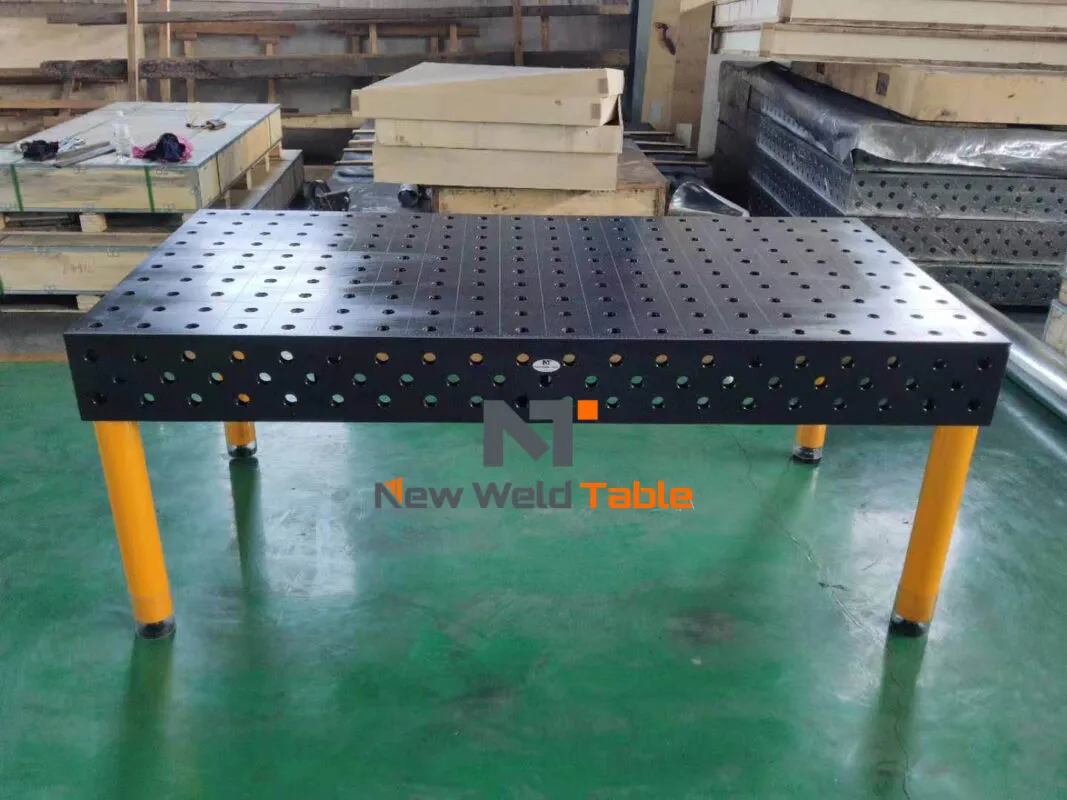
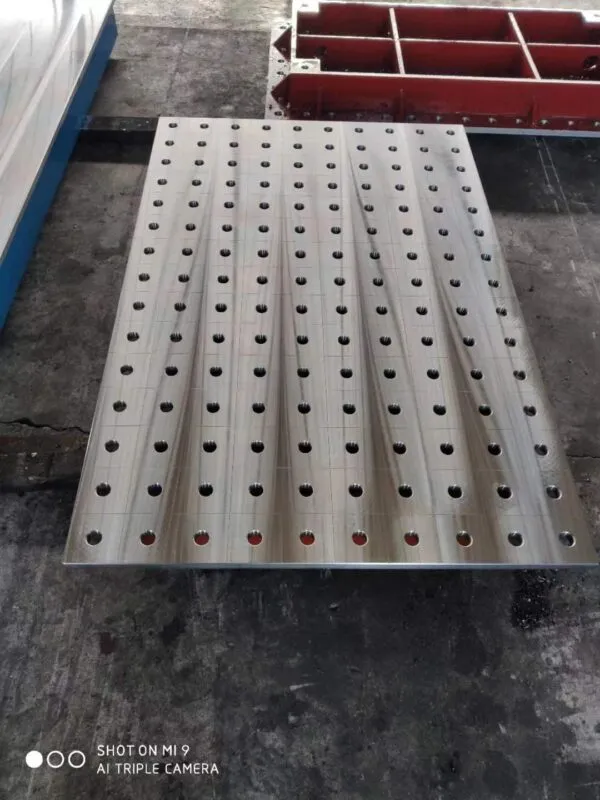
The most critical decision you will face is choosing between the D16 and D28 bore systems. These two standards define the hole diameter and grid spacing of the tabletop, and they directly determine which clamps, stops, and accessories you can use.
D16 System — Precision for Light to Medium Work
The D16 system features 16 mm diameter bores on a 50 mm grid pattern. It is the ideal choice for workshops that primarily handle lighter fabrications, sheet metal work, and components requiring high positional accuracy. The closer grid spacing allows for finer adjustments and greater flexibility when working with smaller parts. Typical applications include automotive prototyping, bicycle frame welding, and precision jig building.
D28 System — Heavy-Duty Industrial Applications
The D28 system uses 28 mm bores on a 100 mm grid. This system is built for heavy structural welding, large-scale fixtures, and applications demanding maximum rigidity. The larger bore accommodates heavier clamps and support structures, making it the go-to choice for shipbuilding, heavy machinery, and construction steelwork. While the grid is wider, the system offers exceptional load-bearing capacity — often exceeding 2000 kg per square meter.
Our recommendation: Many professional workshops benefit from maintaining both systems — a D16 table for precision work and a D28 table for heavy fabrication. However, if you must choose one, start with D28 if over 60% of your work involves structural steel, or D16 if precision assembly dominates your workflow.
Table Size and Configuration
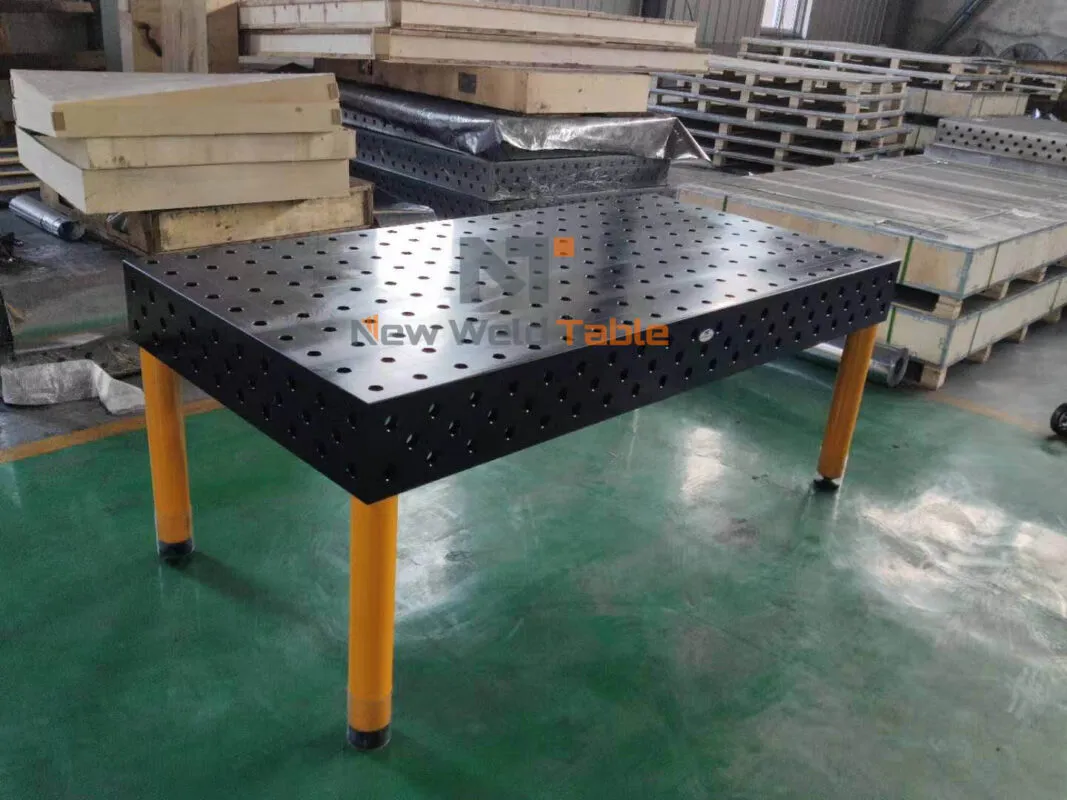
3D welding tables come in standard sizes ranging from 600×1200 mm to 1500×3000 mm. Your choice should be guided by the typical dimensions of your workpieces:
Small (up to 1200×800 mm): Suitable for job shops, repair workshops, and production of small components. Often mounted on mobile stands for flexibility.
Medium (1200×2400 mm to 1500×3000 mm): The most common choice for general fabrication. Balances workspace with shop floor efficiency.
Custom sizes: For specialized production lines, custom table sizes can be manufactured to fit specific workflow requirements.
Consider that a larger table is not always better — leaving unused surface area exposed to weld spatter and debris increases cleaning time. Choose a size that matches your largest typical workpiece with comfortable margin.
Material Selection: HT300 Cast Iron vs S355 Steel
The tabletop material directly affects thermal stability, durability, and cost.
HT300 Cast Iron
HT300 grey cast iron is the premium choice for professional 3D welding tables. Key benefits include:
- Excellent vibration dampening — critical for precision TIG welding
- Superior thermal stability — minimal distortion under heat exposure
- Natural lubricity — weld spatter adheres less aggressively
- Long-term dimensional stability — properly aged cast iron maintains flatness for decades
S355 Structural Steel
S355 steel tables offer a cost-effective alternative without sacrificing strength:
- Higher tensile strength than cast iron
- Easier to repair and modify in the field
- Lower initial investment — typically 30-40% less than cast iron
- Suitable for heavy structural welding where absolute precision is less critical
Budget Considerations
Investing in a quality 3D welding table is a capital decision. Entry-level tables (S355 steel, D16, 1200×800 mm) start around €1,500-€2,500. Professional-grade cast iron tables with D28 bores in medium sizes range from €4,000-€8,000. Full industrial systems with custom configurations, multiple tabletops, and comprehensive accessory packages can exceed €15,000.
When budgeting, allocate at least 30% of the table cost for essential accessories — clamps, stops, squares, and measuring tools. A table without proper accessories is like a CNC machine without tooling.
Final Considerations
Before making your purchase, visit a showroom if possible to test the table system in person. Verify that the flatness tolerance meets your requirements (NewWeldTable standard tables are specified at ≤0.1 mm/m²). Check the availability of accessories and spare parts — a modular system is only as valuable as the ecosystem supporting it.
For European manufacturers looking to upgrade their workshop, we offer free consultations to help match the right 3D welding table system to your specific production needs.