
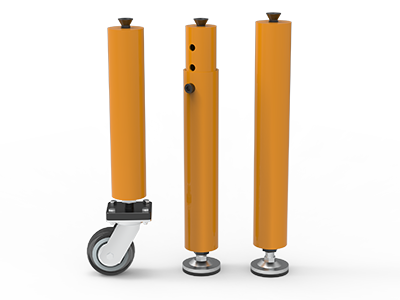
 Round Table Legs
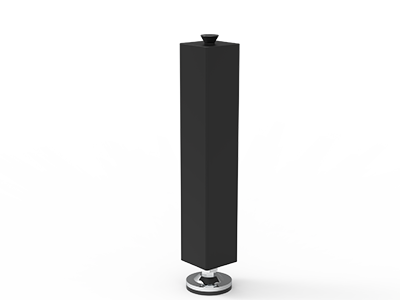 Square Table Legs



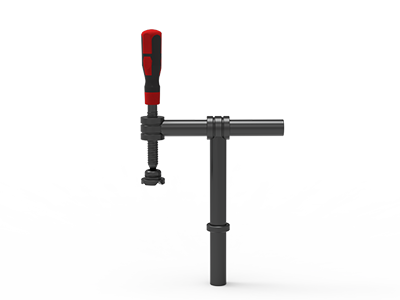 Clamp 180°
 Clamps 45°
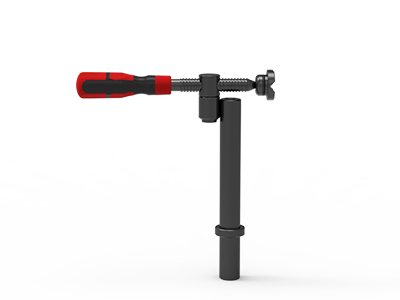 clamp 90°
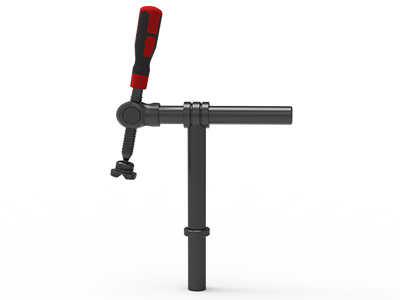 DRINK
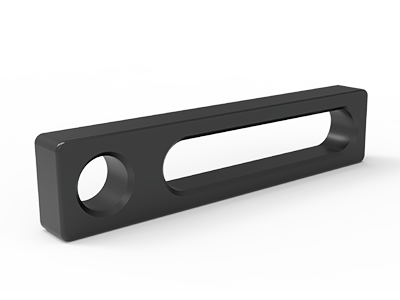 Stop
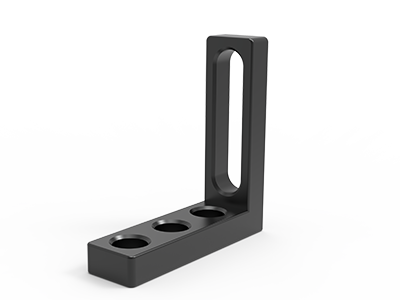 Angle Stop
 Eccentric Stop Ø 60
 Angle Alignment Template
 Square u-shape
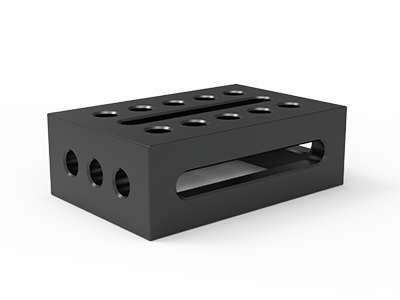 Support and clamping frame
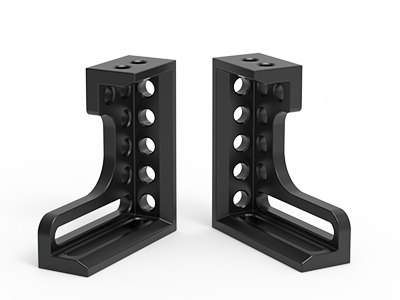 Angle support
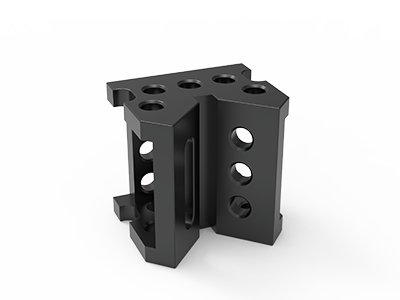 Corner Connection
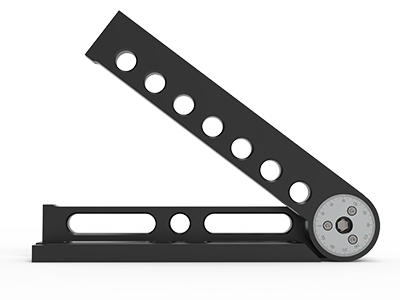 Universal angle clamping
 Prism with screwed-in collar
 Prism with screwed-in collar
 Prism with screwed-in collar
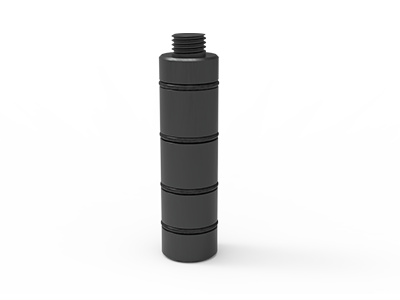 Prism Extension
 Set of Supports 11-piece set
 Screw Support Ø 80
 Shipping Bracket
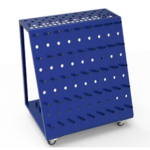 Tool Cart
 Ground Connection
 Welding torch holder
 Brush with protecting cover
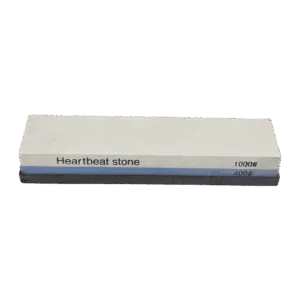 Oilstone
 Pump Spray Bottle
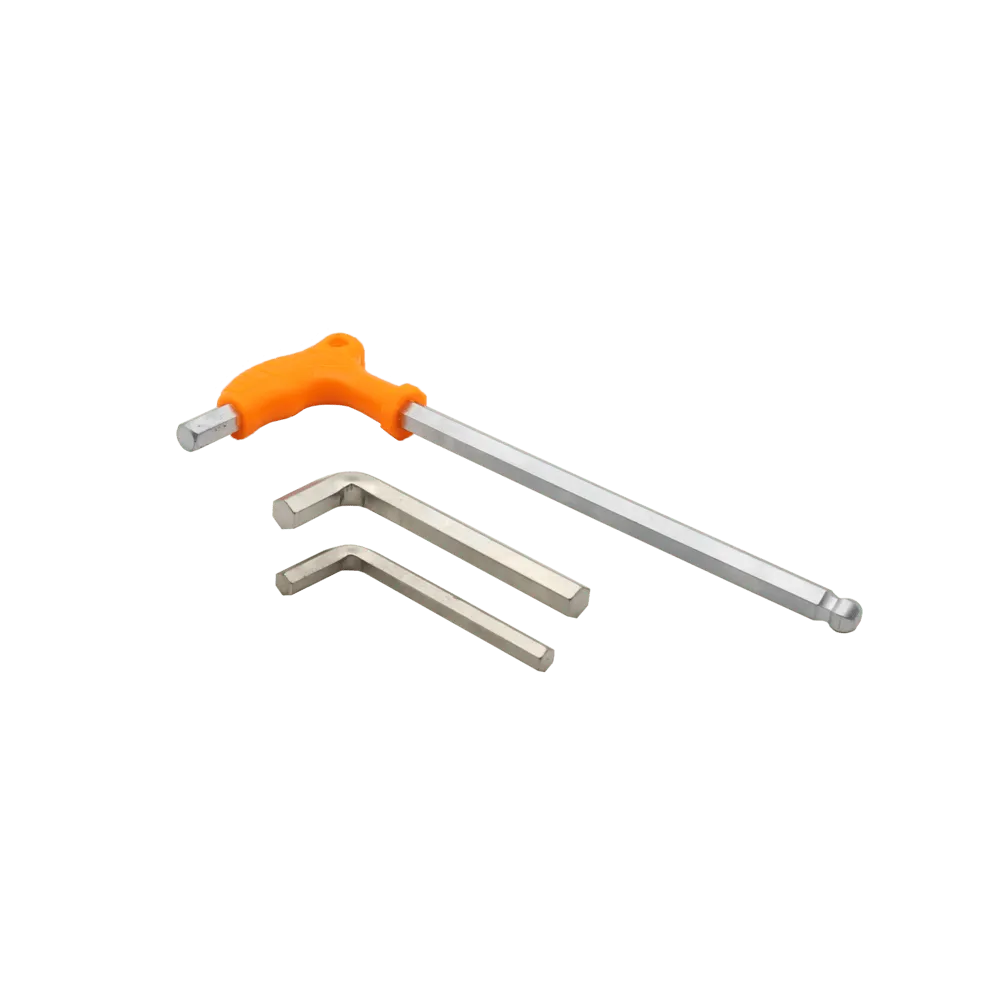 Allen Wrench
3D Welding Table Import Documents: What Buyers Should Check
For 3D welding table import documents, start with one agreed item list, then match it across the purchase order, commercial invoice, packing list and transport document before dispatch. The table model, hole system, size, legs and each accessory should be identifiable; package numbers, quantities and weights should reconcile. Give the draft documents to your customs broker or importing team early enough to correct them before the cargo moves.
A quotation may describe a “D28 table with tooling,” but that phrase is too loose for a mixed shipment. A table top, four legs, clamps, bolts and an optional tool cart may travel in several packages. The document set should let the buyer answer two questions without guessing: what was sold, and which package contains it?
Build one item list before the supplier writes the invoice
Use the signed order as the reference. Give every line a model or drawing number, plain-English description, ordered quantity and unit. For a table, specify length × width, hole system, grid pitch, working-face arrangement, material and surface treatment as agreed for that model. For accessories, record type, model and quantity. If legs, fasteners or storage are included, list them explicitly rather than assuming that a product photograph defines the supply scope.
For example, a buyer considering the TA283015N 3000 × 1500 mm D28 table should carry that model and size through the order and invoice. The table dimensions identify the product; they do not establish the crate dimensions, shipped weight or the contents of separate accessory cartons. Ask for the current model drawing and quotation specification when the hole layout, plate thickness or finish is critical to a fixture already in use.
Keep a revision column on the item list. If a buyer changes from fixed legs to casters or adds a second clamp type, the revised order, invoice draft and packing plan should all carry the same revision. That small control prevents an old quote from becoming the basis for a new shipment.
Minimum fields for each ordered line
- Model or drawing number and a description a receiving team can recognize.
- Ordered quantity and unit: table, leg set, piece or kit, stated consistently.
- Configuration details that distinguish the item, including D16 or D28 where relevant.
- Whether the line is supplied, optional, buyer-owned or excluded.
- The agreed document or drawing revision and any required inspection record.
Check the commercial invoice against the actual transaction
The commercial invoice is a sale document used in customs processes, not merely a copy of the pro forma invoice. The U.S. International Trade Administration explains the difference between the commercial invoice and export packing list and notes that the packing list is not a substitute for the invoice. Ask the seller to prepare a draft commercial invoice from the final order, then check it with the importer or broker responsible for the destination.
Confirm the buyer and seller names and addresses, invoice number and date, currency, item descriptions, quantities, unit values and totals. Check how freight, insurance and other charges are shown under the agreed transaction. If a kit has its own commercial line but contains multiple physical pieces, request a component breakdown that lets the broker and receiving team understand it. Do not silently turn a separately priced tool cart or clamp set into a “free accessory” on the shipping documents.
Country-specific rules can require additional fields or a particular presentation. For a U.S. shipment, U.S. Customs and Border Protection’s invoice guidance lists information for an entry invoice, including adequate goods descriptions, quantities and values. That is a destination-specific example, not a universal invoice template. Before the seller finalizes the invoice, have the destination broker confirm the local description, classification, origin and any required supporting documents. The supplier can provide manufacturing and product facts; the importer and its broker should confirm the import declaration.
Make the packing list traceable to each physical package
A useful packing list maps the sold items to actual packages. Assign each crate, pallet or carton a unique mark such as 1/4, 2/4, 3/4 and 4/4. List its outside length, width and height, gross weight and contents. If possible, identify the table top, legs and accessory models at the package level. Record the total number of packages and make sure the sum of listed package weights matches the shipment total on the final pack.
Do not substitute the tabletop’s catalog size for the packed envelope. The welding table export packing guide covers protection and crate questions in more detail; the import-document task is to ensure that the approved packing arrangement appears correctly in the paperwork. A supplier might revise a crate after a handling review. If that changes dimensions or gross weight, issue a revised packing list rather than leaving the earlier estimate in circulation.
| Record | Must identify | Compare against |
|---|---|---|
| Purchase order | Ordered model, specification, quantity and agreed scope | Approved quotation and drawing revision |
| Commercial invoice | Sold goods, parties, values and agreed transaction details | Final order and broker’s destination requirements |
| Packing list | Package marks, contents, counts, dimensions and gross weights | Actual packed units and invoice item list |
| Transport document | Shipper, consignee, destination and cargo identifiers | Booking instruction and final invoice/packing list |
A kit description needs particular care. “One D28 tooling set” may be a valid commercial line, while the physical carton contains several clamps, stops and bolts. Keep the kit model on the invoice if that is how it was sold, and attach or include a component list with item quantities on the packing record. The goal is traceability, not an invented customs valuation for each component.
State the delivery term and named place precisely
Write the agreed Incoterms® rule and named place in the order and invoice instructions; a three-letter term alone leaves room for confusion. The International Chamber of Commerce’s Incoterms® 2020 overview explains that the rules allocate cost, risk and obligations. The commercial agreement still needs an actual named place and a clear statement of what the quoted price includes.
For the document review, ask who arranges the main carriage, which party provides the transport information, and who is responsible for import clearance and destination handling under the agreed contract. Have the booking party confirm the consignee, notify party, delivery address and document-release instructions with the forwarder. If the order changes its delivery point after payment, update the shipping instruction and invoice draft together.
Separately confirm whether the buyer expects a bill of lading, sea waybill, air waybill or other transport record for the booked service. The correct form follows the route, carrier arrangement and payment terms; it should not be copied from an earlier shipment. Align the names and cargo references with the invoice and packing list before release.
Ask the importing side to confirm destination requirements
The supplier should not guess a universal tariff code, duty rate or certification for every welding table shipment. A table, loose accessories and replacement components may need different descriptions or classifications depending on the destination’s tariff schedule and the way they are supplied. Send the item list and drawings to the importer or broker for a destination-specific review before finalizing the invoice.
For EU imports, the European Commission says an EORI number is mandatory for customs operations in the EU customs territory. The importing party should confirm whose EORI applies and what other entry data is needed. For any destination, ask the broker whether the product’s material, origin statement, wooden packaging, transport mode or local product rules call for additional evidence. Record the answer by destination and shipment; do not reuse it as a global requirement.
If the contract requires a certificate, inspection report or origin document, name it in the purchase order and state who provides it and when. A generic promise of “all documents included” is hard to check. Ask for the exact document name, issuer where applicable, and whether a draft can be reviewed before original documents are released.
Run a document match before dispatch
Use a two-person check: the seller prepares the pack, while the buyer or broker checks it against the final order. First compare model numbers and quantities across the order, invoice and packing list. Next compare package count, marks, dimensions and weights against the actual packed goods. Finally check the parties, named destination and shipping references against the booking. Record corrections as a new document version; avoid emailing several unsigned files named “final.”
The pre-shipment inspection checklist addresses whether the physical table and accessories match the order. The document check should use that inspection outcome: if an accessory is missing or a model is substituted, correct both the goods and the paperwork before dispatch. Send package photographs with visible marks when available, especially when legs and small tooling ship separately.
A practical release sequence
- Approve the final product and accessory list, including drawing revisions and any agreed changes.
- Review draft invoice and packing list with the importer or broker.
- Pack and mark each physical unit; replace estimated dimensions and weights with recorded values.
- Check the booked route and consignee data against the final document set.
- Release one controlled document version and retain the approval trail with the order.
After dispatch, give the receiving team the same package map. The 3D welding table unloading guide explains why packed dimensions, weights and handling information are needed at the destination. Customs clearance and safe unloading are different tasks, but both depend on a package list that describes the cargo actually shipped.
Send an RFQ that produces usable import paperwork
When requesting a quote, send the intended table size, D16 or D28 system, required grid and side-hole arrangement, material and finish requirements, leg type, accessory list and destination. Ask for the quoted Incoterms® rule with its named place, an itemized supply scope, proposed package plan and the documents the seller can provide. State any broker-required invoice fields or contract documents before production starts.
Use the NewWeldTable request form to share the table specification and destination. If you already have a broker’s document checklist, attach it with the RFQ. That gives purchasing, production, shipping and receiving teams one specification to work from—and gives the importer a clean draft to review before cargo is released.