
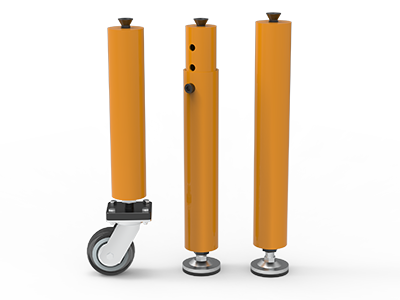
 Round Table Legs
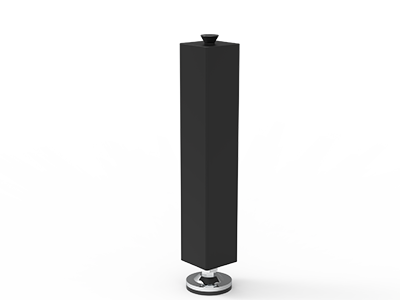 Square Table Legs

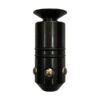
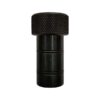
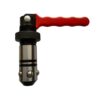
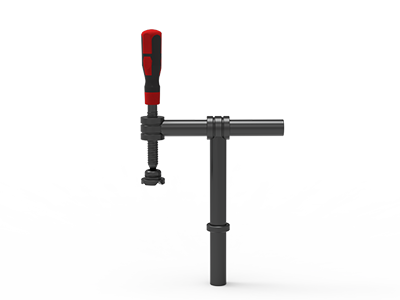 Clamp 180°
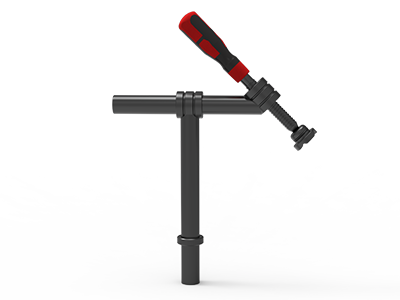 Clamps 45°
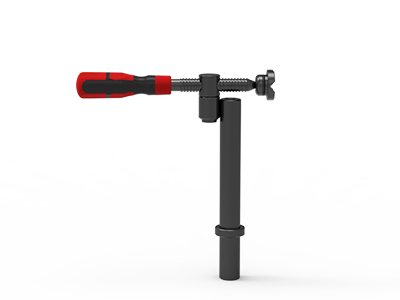 clamp 90°
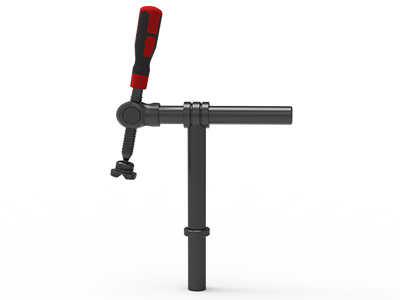 DRINK
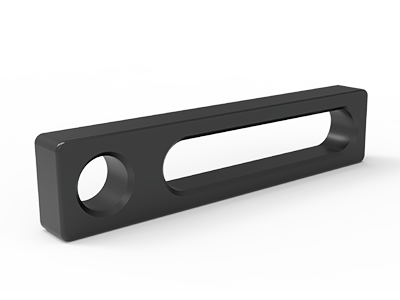 Stop
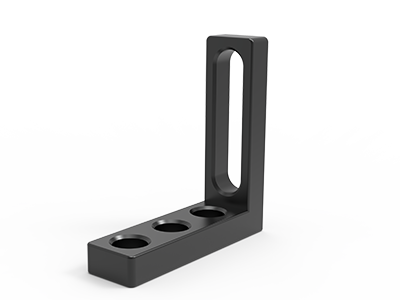 Angle Stop
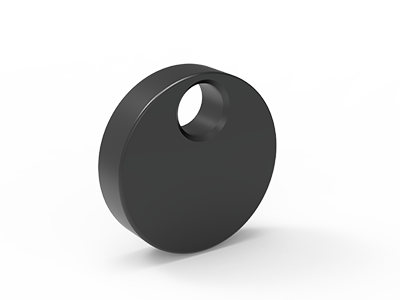 Eccentric Stop Ø 60
 Angle Alignment Template
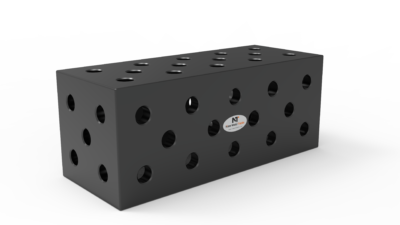 Square u-shape
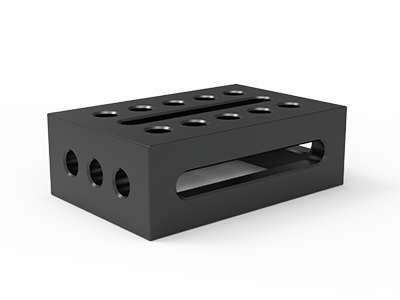 Support and clamping frame
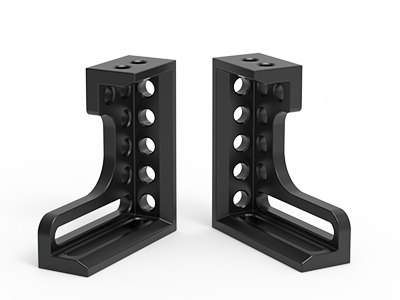 Angle support
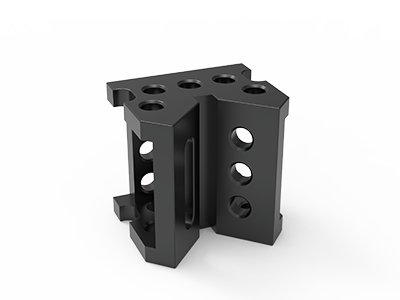 Corner Connection
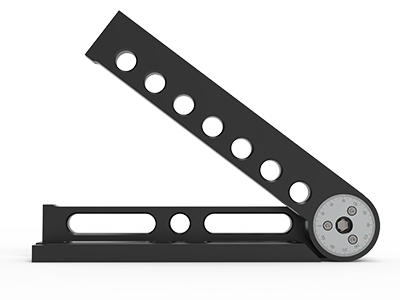 Universal angle clamping
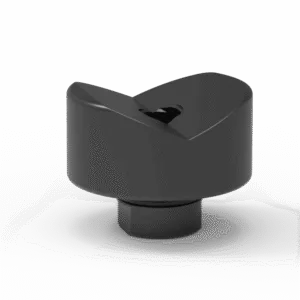 Prism with screwed-in collar
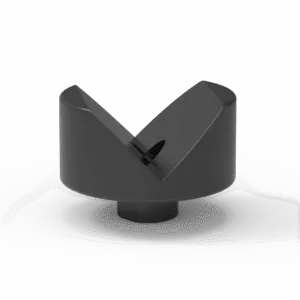 Prism with screwed-in collar
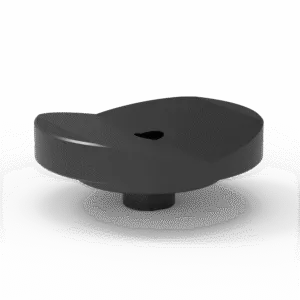 Prism with screwed-in collar
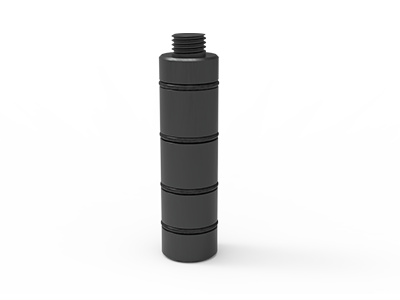 Prism Extension
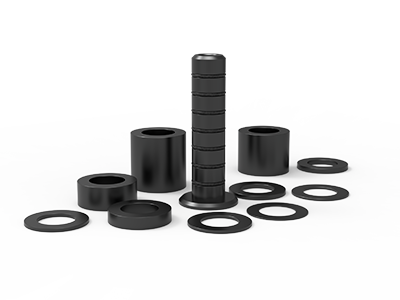 Set of Supports 11-piece set
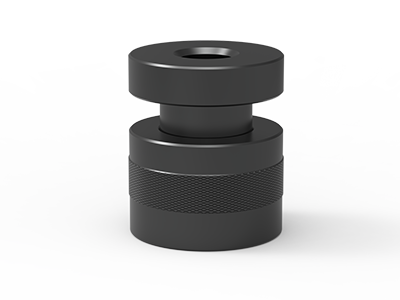 Screw Support Ø 80
 Shipping Bracket
 Tool Cart
 Ground Connection
 Welding torch holder
 Brush with protecting cover
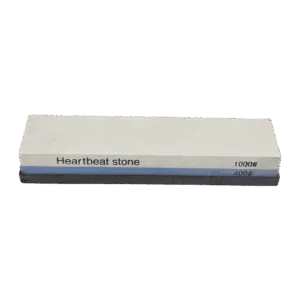 Oilstone
 Pump Spray Bottle
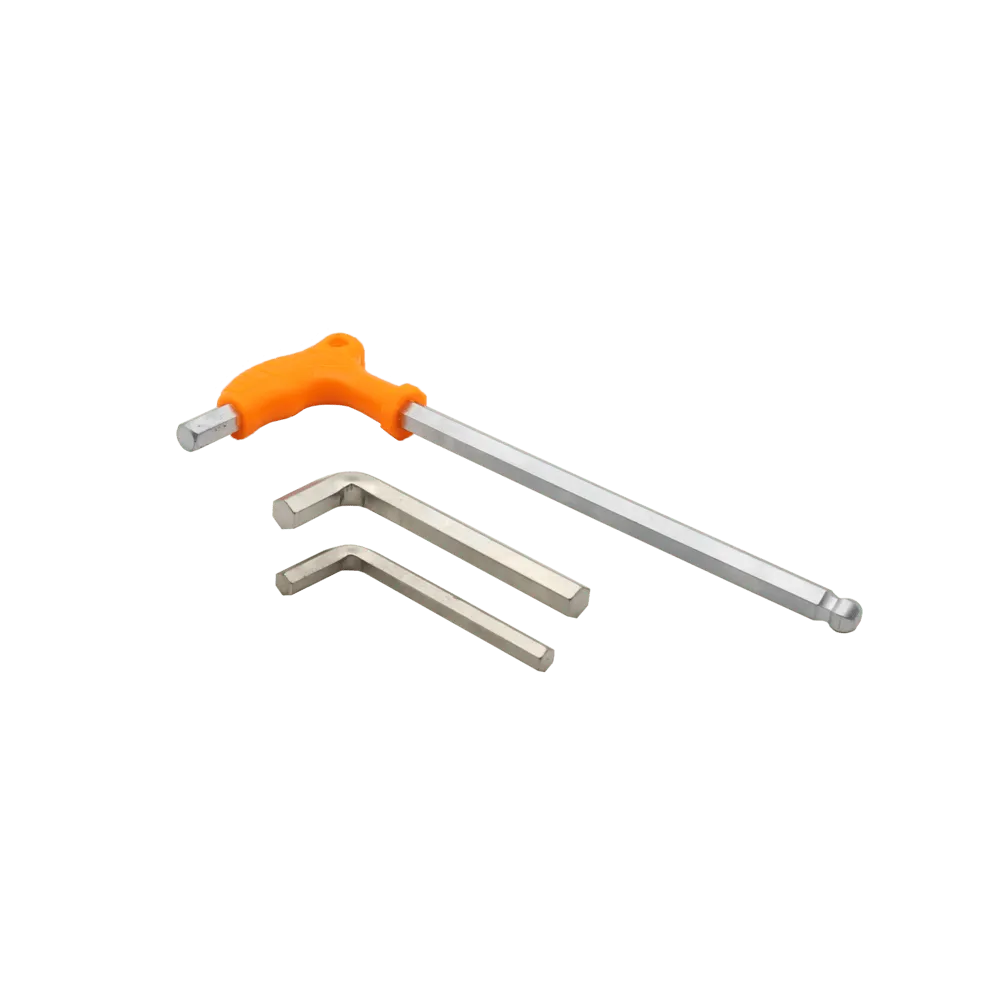 Allen Wrench
3D Welding Table Unloading: What to Confirm Before Delivery
For 3D welding table unloading, get the packed dimensions, gross weight, table-only weight, lifting-point instructions and delivery vehicle details before the truck arrives. Give those figures to the person planning the lift, then check that the gate, unloading area, internal route and final floor position can accommodate the actual package. A tabletop footprint alone is not enough: the crate, pallet, legs and tooling may arrive as separate loads.
This is a purchasing task as much as a handling task. If an overseas buyer waits until delivery to ask where a sling can attach, the workshop may have the right crane and still be unable to make a controlled lift. The supplier can document the shipped configuration; the receiving team must plan the local move with its own equipment and competent people.
Ask for the shipped configuration, not just the catalog size
A listing such as the TA283015N 3000 × 1500 mm D28 table describes the working surface. The TA284020N 4000 × 2000 mm D28 table has a larger footprint. Neither footprint tells a receiving crew the outside dimensions of a shipping crate or the mass of a complete consignment.
Request one packing list that assigns a package number to each physical unit. For each unit, ask for length, width, height, gross weight and a clear description of what is inside. If the tabletop, legs, lifting accessories and fixturing are split, the package schedule should say so. Confirm whether the published table dimensions include its side panels and whether the listed height refers to the tabletop thickness or the assembled working height. These details affect forklift clearance, doorway access and the position of the final workstation.
Ask for the table-only mass separately from packaged gross mass. Gross mass is needed to select handling equipment for the packaged load; table-only mass matters when the crate has been removed. Do not add catalog component weights and treat the result as a verified lift weight. The shipped configuration, fasteners, optional legs and protective packaging can change the load.
Agree on the lifting method before dispatch
The receiving team needs to know which part of the consignment may be handled by forklift, which part needs a hoist or crane, and what attachment method the supplier approves for the specific table. Request a drawing or written instruction showing the permitted lifting points, the table orientation and any removal steps for legs or accessories. Ask whether the lifting points remain accessible after the package is opened. A photo with arrows is useful for identification, but it should accompany an approved instruction for the exact model and configuration.
NewWeldTable lists a D28 welding table lifting ring and publishes a vertical lifting capacity on that product page. That figure describes the listed accessory; it does not by itself approve a complete lift arrangement. Confirm how many rings are required, the compatible holes or fixing method, insertion and locking instructions, permitted pull direction and the load distribution for the selected table. If the supplier cannot document those points, do not infer them from the hole diameter or from a photograph.
For context, the UK Health and Safety Executive says lifting operations should be planned by a competent person and carried out safely; its lifting-operation guidance distinguishes routine lifts from more complex ones that need a more detailed plan. US OSHA’s sling standard addresses inspection and marked rated capacities for covered slings. Local rules and the equipment manufacturer’s instructions govern the receiving site. The buyer’s job is to supply accurate load information to the appointed lifting team, not to improvise a rigging procedure from a sales page.
Questions for the supplier’s lifting drawing
- What is the verified mass of the bare table, and what is the centre-of-gravity information for the shipped configuration?
- Which lifting points and accessories are approved for this model? Are they supplied or ordered separately?
- Is the approved lift made with the table horizontal, vertical or in a specified transport orientation?
- Are any removable parts, loose fixtures or protective covers to be taken off before the lift?
- What attachment, sling-angle or handling restrictions appear in the model-specific instructions?
Send the answers to the local rigging contractor before booking a crane or hoist. The contractor can then select equipment, inspect its own gear and decide whether the route and landing area are suitable. The supplier should not be asked to certify equipment or conditions it has never seen.
Check the route from truck to final position
Walk the entire path, beginning at the vehicle’s stopping point. Record gate width, turning room, overhead obstructions, the condition and slope of the unloading surface, doorway clear widths, corridor bends and the final approach to the workstation. Measure the narrowest point against the packed dimensions and then against the unpacked table dimensions. A 4000 mm tabletop may fit on the floor yet fail at the workshop entrance or a tight turn.
Also check vertical clearance. The relevant height changes when a crate sits on forklift forks, when a load is suspended below a hook, and when assembled legs raise the table. Request both packed height and assembled height. If the table is delivered without legs installed, establish where it can be safely supported during assembly. Check whether there is enough space around the final location for operators, clamps, workpieces, welding extraction and future cleaning.
Floor suitability belongs in the site assessment. Provide the facility or structural engineer with the actual assembled mass, leg or caster arrangement and intended workpiece loads. A nominal building floor rating should not be treated as a point-load approval for a particular leg layout. If the route crosses a loading dock, ramp or mezzanine, include those locations in the review.
| Receiving detail | Ask the supplier for | Check at your site |
|---|---|---|
| Package envelope | Outside L × W × H for every package | Gate, door, corridor, turning and overhead clearance |
| Load mass | Gross mass per package and bare-table mass | Equipment selection and floor or dock assessment |
| Lifting interface | Model-specific points, accessory details and restrictions | Rigging plan, gear compatibility and exclusion area |
| Final arrangement | Leg or caster configuration and assembled height | Landing position, leveling access and working clearance |
Separate the purchase order from the receiving plan
A useful purchase order records what the supplier will provide: exact table model, surface treatment, hole system, leg configuration, accessories, package count, packing method and required documents. The receiving plan records what the buyer will provide: unloading personnel, equipment, vehicle access, floor route and a place to unpack. Keeping these responsibilities visible prevents a quotation for a table from being mistaken for a promise of installation at the destination.
The D28 hole system is relevant to fixture selection and any compatible lifting accessory, but “D28” alone does not establish an approved lifting interface. Likewise, a nitrided surface describes the listed finish of certain models; it does not establish a permissible sling contact area. Identify the exact SKU and revision on the purchase order, then ask the supplier to attach the current model-specific handling information. If the order includes a custom table size or nonstandard legs, request a revised package and lifting schedule for that configuration.
Clarify delivery terms in ordinary operational language as well as in the commercial documents. Who books the inbound vehicle? Will it have a tail lift or arrive as a container? Who breaks the seal, opens the packaging and disposes of packing material? Where does the carrier’s responsibility end? The shipping and delivery page can start the conversation, but the order confirmation should state the actual arrangement for the destination.
A compact pre-dispatch request
- Final packing list with package IDs, outside dimensions and gross weights.
- Table-only weight, assembled height and leg or caster layout.
- Approved unloading and lifting instructions for the ordered configuration.
- Photos of package labels and the protected table before closing the crate.
- Vehicle or container details and the agreed delivery handover point.
Ask for these items early enough for the receiving team to review them before dispatch. The exact lead time depends on the carrier and site; the practical point is to resolve access or lifting questions while the packaging can still be changed.
Inspect on arrival before moving into production
Match the arriving package IDs to the packing list before unpacking. Photograph visible package damage and record any shortage using the carrier’s and purchase contract’s procedures. Once the table is accessible, compare the model identification, dimensions, leg set and ordered accessories with the order. Look for transport damage to working surfaces, edges, hole openings and the underside before fitting tooling.
After the table is placed and assembled according to its instructions, the workshop can check level, accessibility and fixture fit for its intended work. Keep receiving checks separate from claims about manufacturing accuracy: a visual inspection on delivery cannot prove flatness or grid tolerance without the agreed measurement method and records. If the purchase order requires inspection documents, compare them with the supplied serial or batch information and the exact acceptance criteria.
If a package is damaged or a lifting instruction is missing, pause the affected handling step and contact the responsible supplier, carrier or site lifting lead. A short delay at receiving is easier to manage than a rushed move with an uncertain load path.
Send an RFQ that can be checked against your workshop
When requesting a quotation, include the preferred tabletop size, D16 or D28 system, surface finish, leg type, destination and expected unloading method. Add your gate and doorway limits if they are tight. Ask for package-by-package dimensions and weights, a model-specific lifting instruction and a clear list of supplied lifting accessories. If a 3000 × 1500 mm table and a 4000 × 2000 mm table are both under consideration, ask for separate receiving data for each rather than applying one estimate to both.
Send those details through the NewWeldTable request form. Attach a simple route sketch or photos of the unloading area if access is unusual. The result is a quotation your purchasing and workshop teams can check against the same physical plan.