
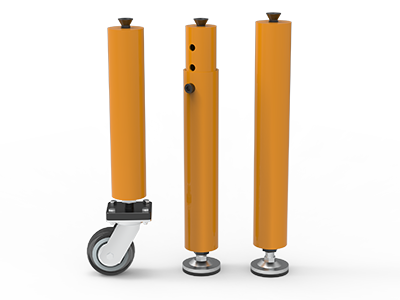
 Round Table Legs
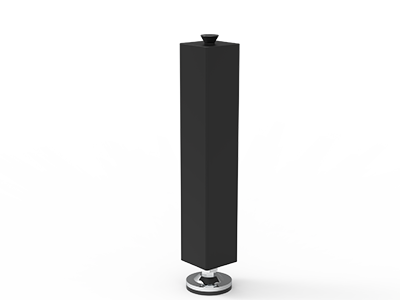 Square Table Legs
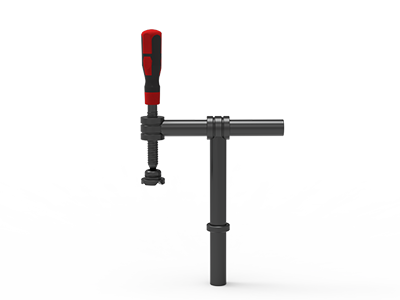 Clamp 180°
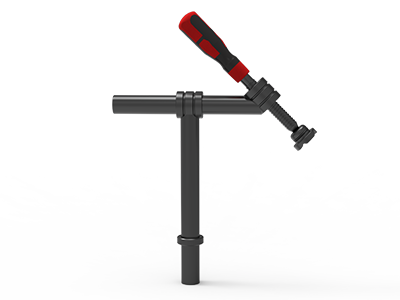 Clamps 45°
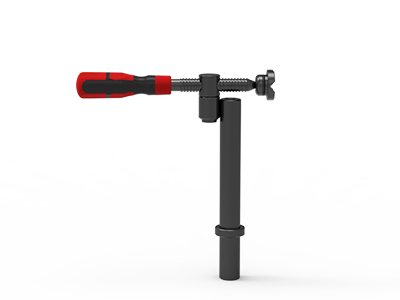 clamp 90°
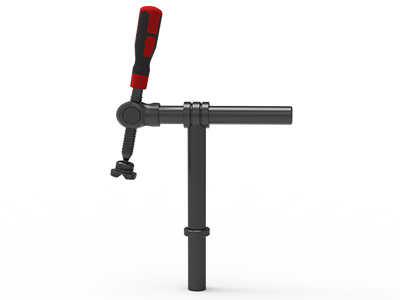 DRINK
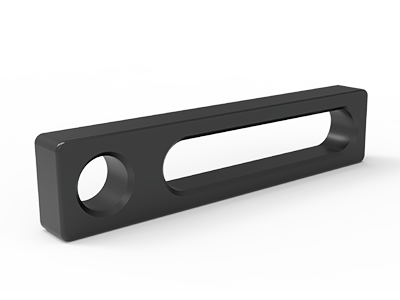 Stop
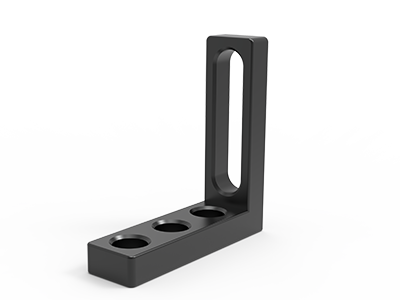 Angle Stop
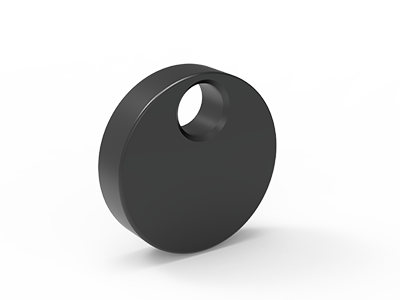 Eccentric Stop Ø 60
 Angle Alignment Template
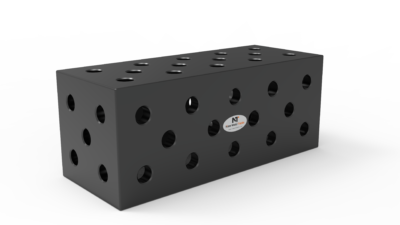 Square u-shape
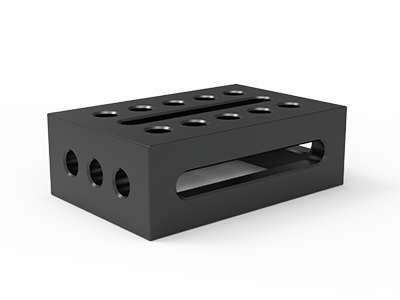 Support and clamping frame
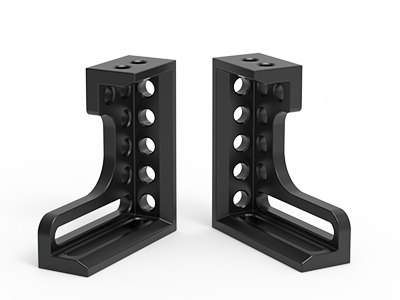 Angle support
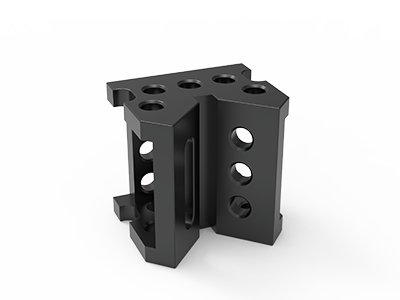 Corner Connection
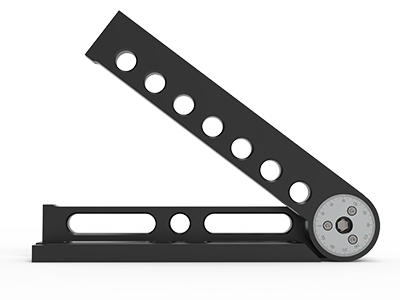 Universal angle clamping
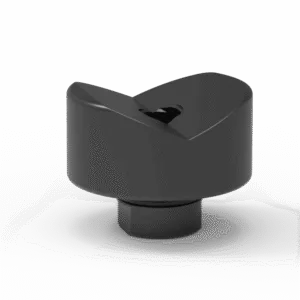 Prism with screwed-in collar
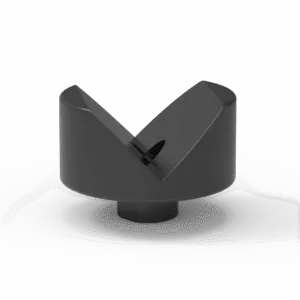 Prism with screwed-in collar
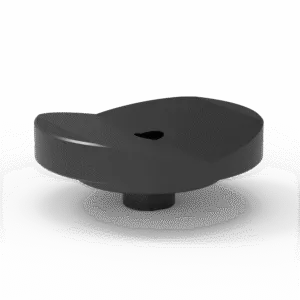 Prism with screwed-in collar
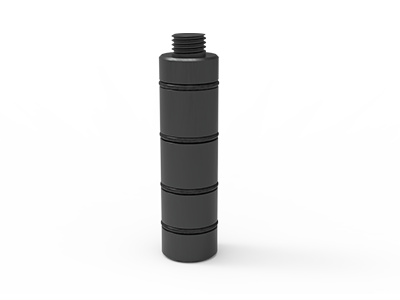 Prism Extension
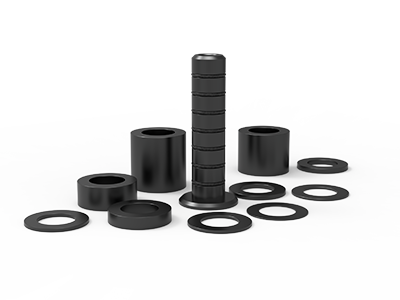 Set of Supports 11-piece set
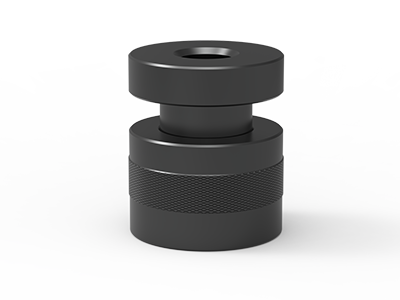 Screw Support Ø 80
 Shipping Bracket
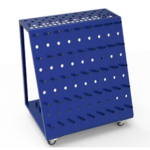 Tool Cart
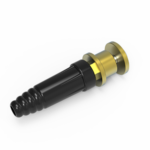 Ground Connection
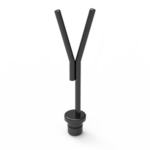 Welding torch holder
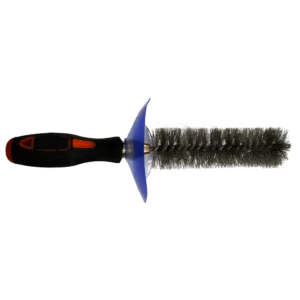 Brush with protecting cover
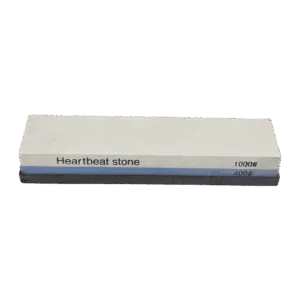 Oilstone
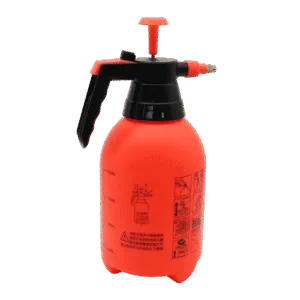 Pump Spray Bottle
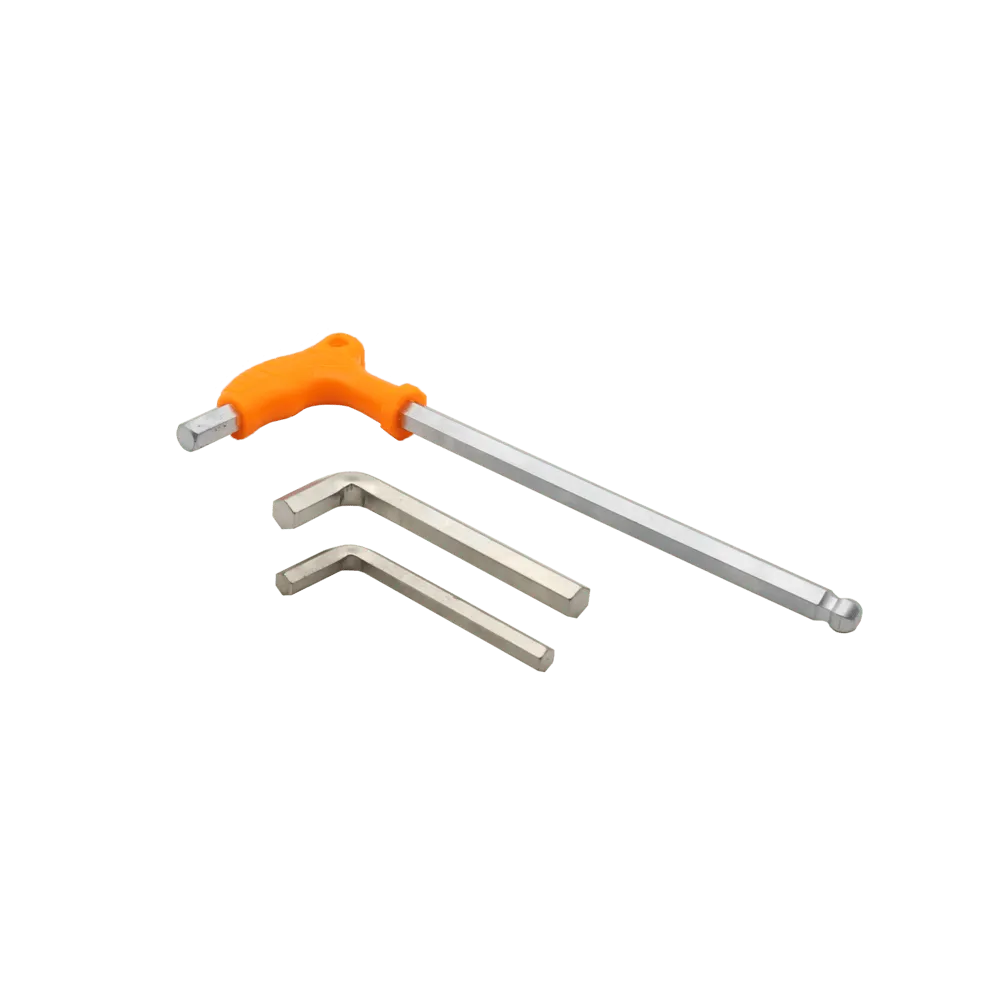 Allen Wrench
Aluminium Welding on Modular 3D Fixturing Tables: Best Practices
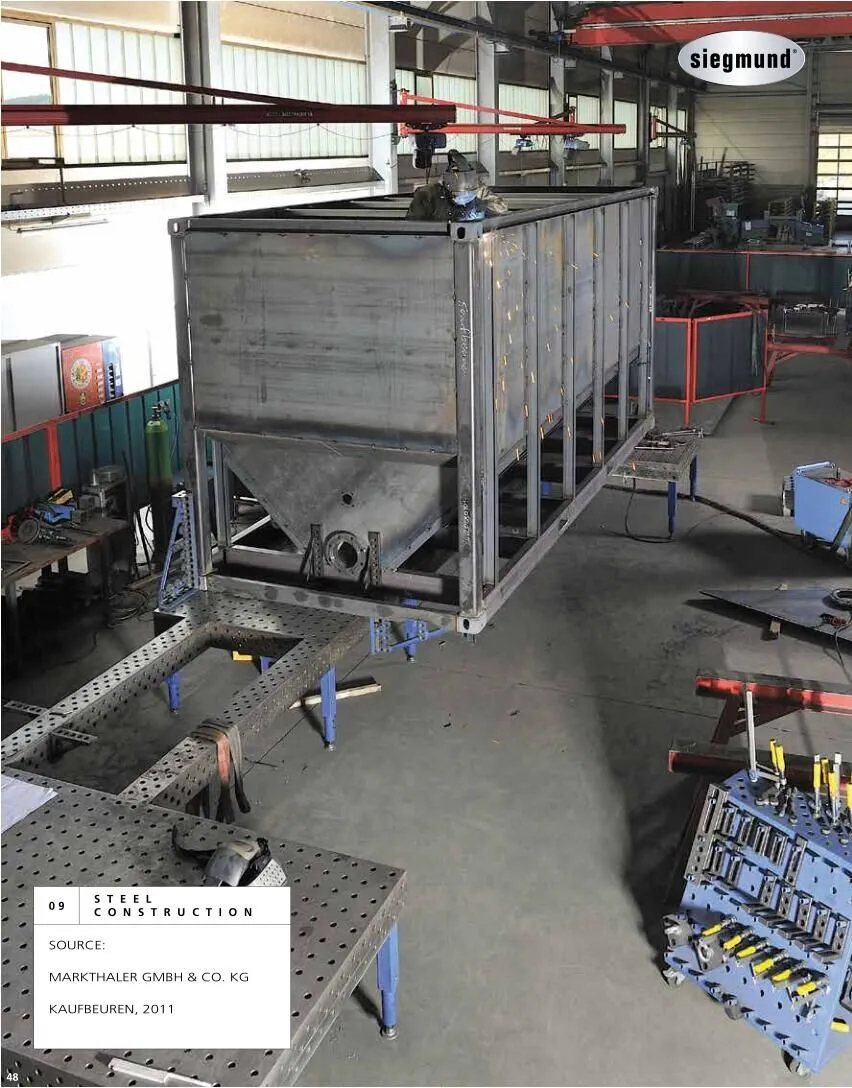
Aluminium Welding on Modular 3D Fixturing Tables: Best Practices
By NewWeldTable | Technique Guide Series
Unique Challenges of Aluminium
Aluminium’s thermal conductivity (4x that of steel) causes rapid heat dissipation. Its high thermal expansion coefficient makes it prone to distortion. Aluminium oxide melts at 2000 degrees Celsius vs the base metal at 660 degrees, requiring proper cleaning.
Why 3D Tables Excel for Aluminium
- Copper backing integration — Fit copper bars directly into the D28/D16 grid
- Multiple clamping points — Distribute clamping pressure evenly
- Soft-faced clamps — Copper-tipped clamps prevent surface marring
- Rapid repositioning — Switch between different profiles quickly
- Modular tooling — No dedicated jigs for different shapes
Copper Backing Bars
Copper backing bars are essential for aluminium welding. They absorb and dissipate heat rapidly, preventing burn-through on thin sections. Our copper bars with extended reach clamp into the grid, positioning directly behind the joint without interfering with the torch path.
Clamping Strategy
Aluminium’s softness requires care. Use clamps with copper or brass contact surfaces, or fit protective shims. Distribute pressure across multiple points. For thin-gauge aluminium, support the entire length with additional stops or risers to prevent sagging under heat.
Tags: aluminium welding, D16, copper backing, welding technique