
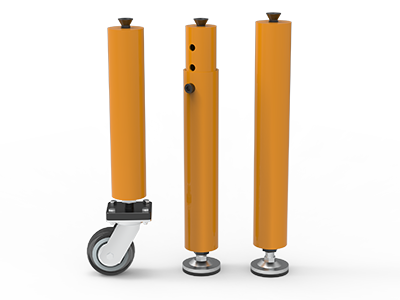
 Round Table Legs
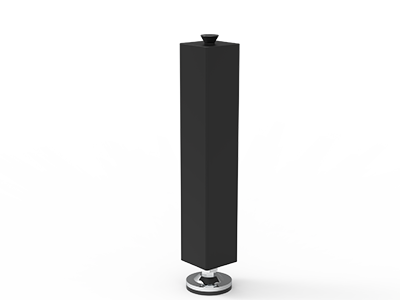 Square Table Legs
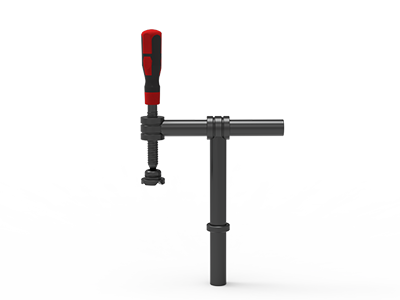 Clamp 180°
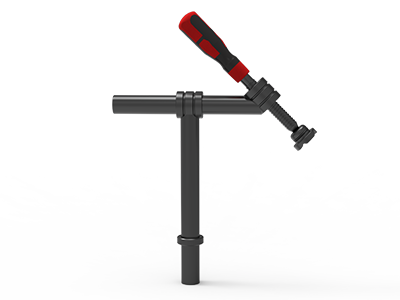 Clamps 45°
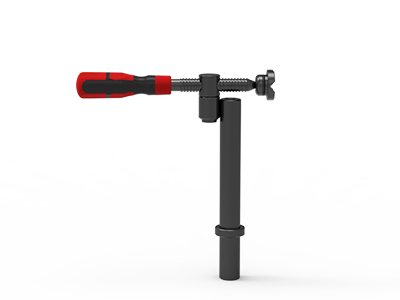 clamp 90°
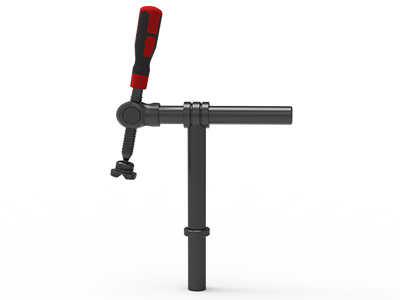 DRINK
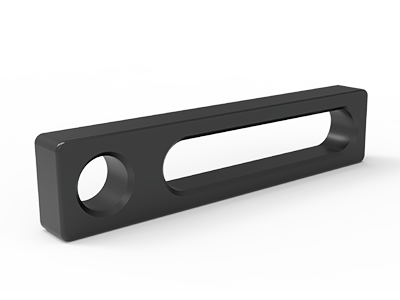 Stop
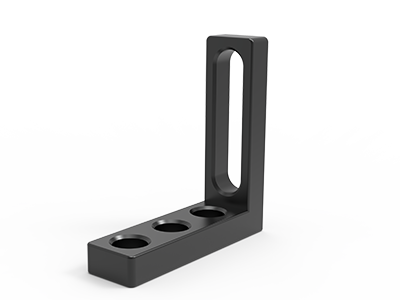 Angle Stop
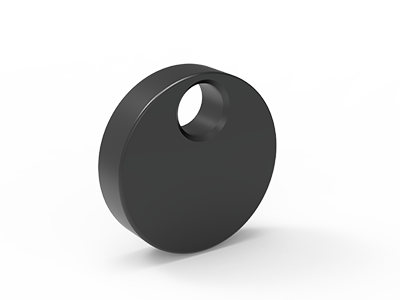 Eccentric Stop Ø 60
 Angle Alignment Template
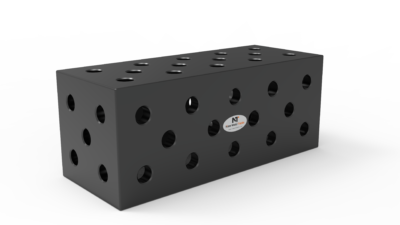 Square u-shape
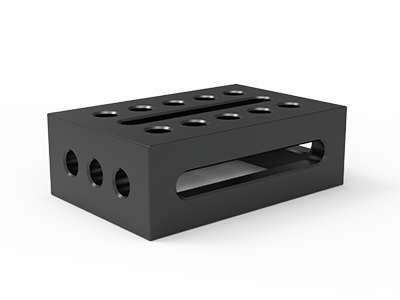 Support and clamping frame
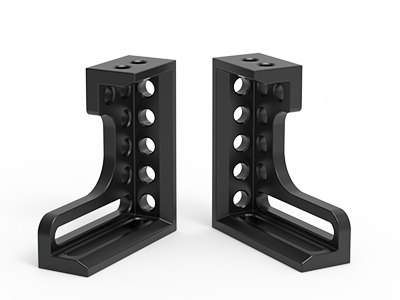 Angle support
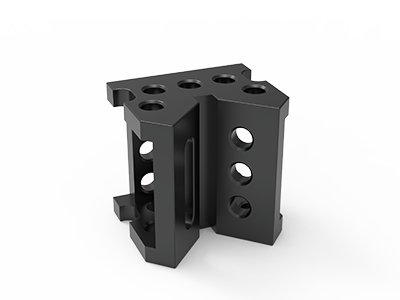 Corner Connection
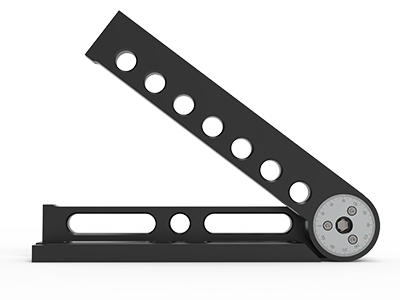 Universal angle clamping
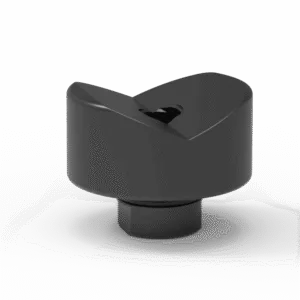 Prism with screwed-in collar
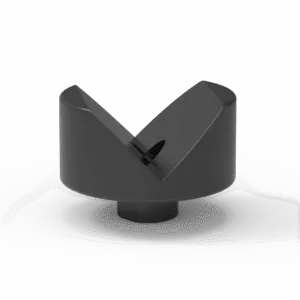 Prism with screwed-in collar
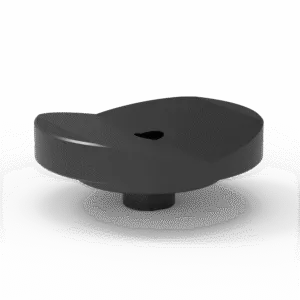 Prism with screwed-in collar
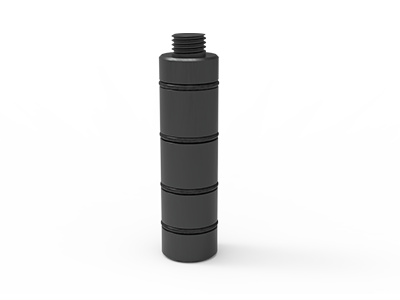 Prism Extension
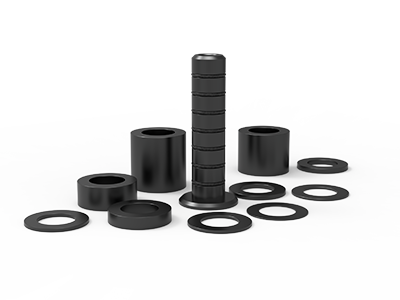 Set of Supports 11-piece set
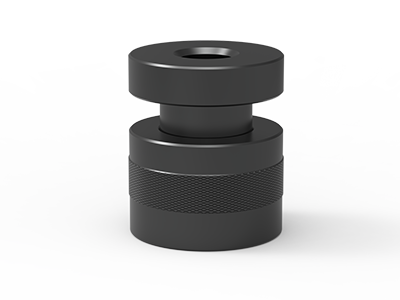 Screw Support Ø 80
 Shipping Bracket
 Tool Cart
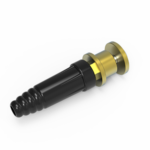 Ground Connection
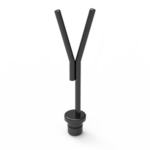 Welding torch holder
 Brush with protecting cover
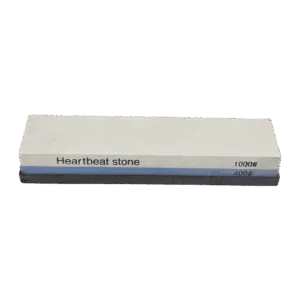 Oilstone
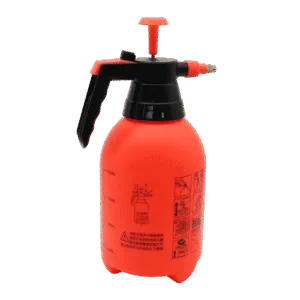 Pump Spray Bottle
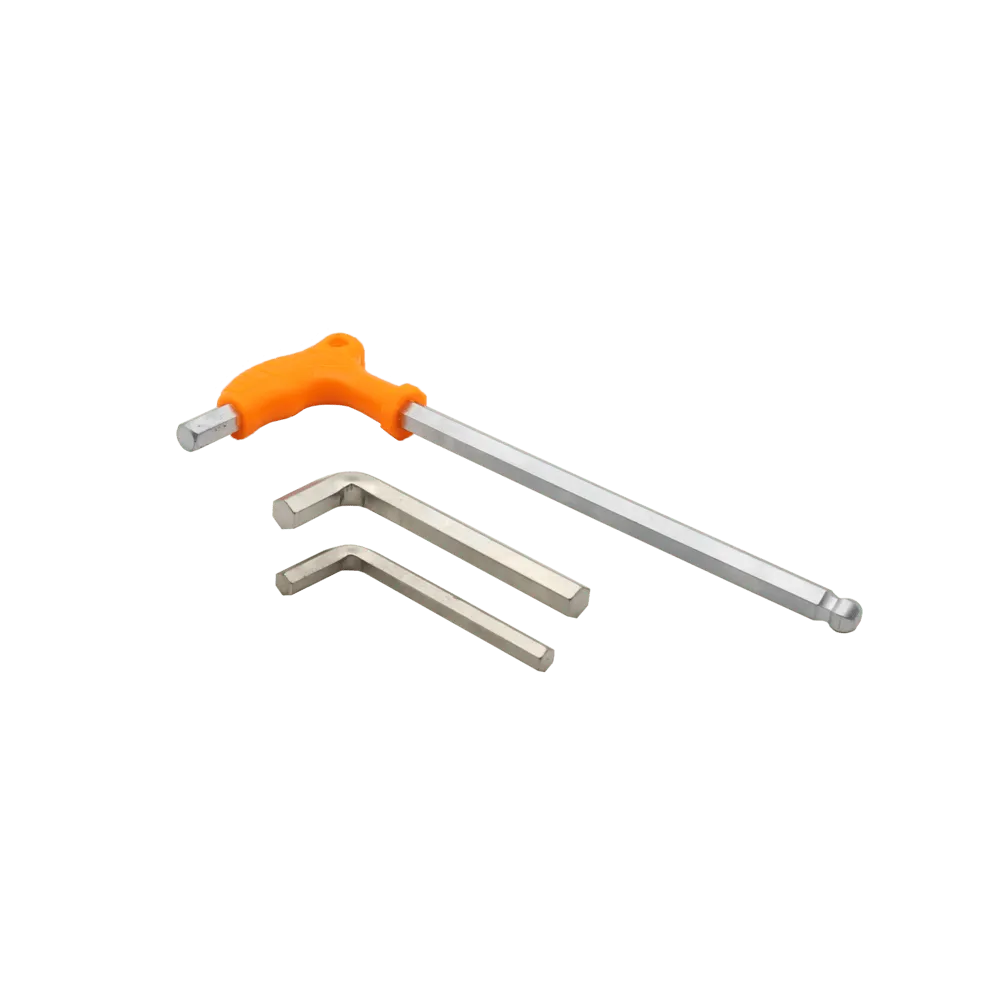 Allen Wrench
D28 Welding Table Tooling Sets: How to Compare Kit Contents
A D28 welding table tooling set should be compared by the fixtures it can complete, the components it contains and the parts it still needs. Total piece count is only a starting point. A kit with many small fasteners may leave you short of the particular clamps, stops or supports required by your work.
For a first purchase or an additional workstation, use a short list of real assemblies to check each proposed kit. This guide explains how to turn that review into an itemized quotation, so you can compare the same working scope across different offers.
1. Start with the jobs the kit must handle
Choose two or three representative assemblies: a frequent production job, a larger or taller part, and a job with awkward access. Supply drawings or clear sketches showing overall dimensions, material and section sizes, locating surfaces, important tolerances and weld positions. Include the expected workpiece weight where support selection is involved.
Decide how many fixtures must remain assembled at the same time. One kit shared between jobs has a different quantity requirement from two tables running together. If a repeat-order fixture must stay intact, its tools are unavailable for the next setup even when the table is idle.
A useful starting request is: “Please identify the tooling needed for these assemblies, show which items are included in the proposed set, and list any additions separately.” This gives the supplier a defined task rather than asking for a general-purpose kit to cover unspecified work.
2. Ask for an itemized list, not just a set number
NewWeldTable lists several D16 and D28 tooling sets, including D28 system tooling set 1 and D28 system tooling set 5. Treat the set name as a reference for an enquiry. Ask for the current component list before deciding which configuration fits your application.
The quotation should identify each component by model or part number, description, size, quantity and hole system. Photographs help identify shapes, but a written list makes it possible to check quantities, approve substitutions and order replacements later.
| Tooling group | What to compare |
|---|---|
| Clamps | Usable reach, adjustment range, contact arrangement and quantity of each model |
| Stops and squares | Working dimensions, mounting positions, adjustment travel and left/right orientation where relevant |
| Supports | Height range, workpiece contact shape and any application-specific limits |
| Bolts and connectors | Type, compatible interfaces, required clamping range and quantity |
| Handling and storage items | Which racks, cases, tools or other accessories are included or optional |
Also ask how the supplier counts pieces. A clamp assembly may be counted as one item, while another list separates its components. A higher total does not establish that a kit provides more usable clamping positions. Compare the quantities of the exact models your layout requires.
3. Check that each fixture has its complete fastening hardware
A kit can contain the right stops and squares but too few suitable bolts to mount them all. Check the proposed assembly from the table through each accessory to its fastener. Record every layer in the fastening stack and verify the bolt type and working range against the component drawings.
Do not assume that every part marked D28 is interchangeable with an existing table or another brand. Confirm the actual hole and mounting geometry, accessory thickness, engagement requirements and space needed to insert and operate the fastener. The D28 welding table bolt guide provides a more detailed checklist for this step.
Ask for any required adaptors or special connectors to appear as separate lines in the quotation. If the proposed kit needs additional hardware to complete your sample fixture, include that hardware when comparing costs.
4. Count what is needed at the same time
For each part number, count the quantity used across all fixtures that must be available together. Then subtract only existing compatible tooling that is genuinely free for those jobs. List any agreed spare quantity separately, rather than hiding it inside an unexplained kit total.
For example, suppose two reviewed fixture layouts each require six clamps of the same model and will run on separate stations at the same time. The working requirement is twelve of that model before spares. Six additional clamps of a different reach would not automatically cover the shortfall. This is a quantity-planning example, not a recommended clamp count for a particular weldment.
A simple comparison sheet can use five columns: part number, required quantity, available existing quantity, quantity included in the kit, and extra quantity to quote. This reveals missing items more clearly than a comparison of total pieces or total kit price.
5. Check access before choosing a larger assortment
Ask the supplier to show the selected accessories on a representative fixture layout. Check that clamps can reach their intended contact points, adjustment handles can be operated, weld areas remain accessible and the completed part can be removed. A tall square or long clamp can be useful on one assembly and obstruct another.
For round parts, confirm the required support arrangement instead of assuming a general kit includes suitable prisms. For tall or multi-level assemblies, identify the actual working heights and mounting positions. The aim is to find gaps in the quoted tooling scope before ordering, not to specify a universal number of each accessory.
Also check how tools will be identified and stored between jobs. A part-numbered list and a layout record make it easier to find a missing component and repeat an established setup. Ask whether individual items can be reordered and whether the quotation includes storage equipment.
6. Compare the complete quoted scope
Compare the selected kit plus the additions needed for your layouts. Keep optional future tools separate so that you can distinguish the initial working requirement from possible expansion. Confirm whether the table, legs and storage trolley are included; a product photograph alone should not define the supply scope.
For an overseas order, request the packing list, package dimensions and weights, delivery destination and a clear breakdown of the quoted freight scope. These details let you compare offers on a consistent basis. Ask the supplier to confirm current availability and dispatch timing for the exact configuration rather than assuming every item in the catalogue follows the same schedule.
Your tooling-set enquiry checklist
- Table model, hole-system drawing and any existing tooling you want to reuse
- Representative workpiece drawings, dimensions, material and relevant tolerances
- Number of stations and fixtures that must stay assembled simultaneously
- Proposed kit reference and a part-numbered component list
- Quantity required, quantity included and additions for each component
- Fastener compatibility, clamp access and any required special supports
- Items included or excluded: table, legs, storage, packing and freight
- Delivery destination and requested timing for supplier confirmation
Common questions
Does a larger tooling set always offer better value?
It depends on which tools your fixtures need. Compare the complete cost of the configurations that can support your planned jobs. Extra pieces have limited value if they do not cover a current need or a realistic expansion plan.
Can I use the same set on an existing D28 table?
Check the component and table drawings first, especially when mixing manufacturers. A shared nominal hole system is a reason to investigate compatibility, not proof of a complete fit.
Can I buy a smaller kit and add components later?
Ask for the individual part numbers, reorder options and the initial additions needed to complete your fixture. Confirm those points before relying on a staged purchase.
Request a tooling set matched to your work
Browse the tooling set range, then send NewWeldTable your drawings and table details. Include the kit references you are considering and ask for an itemized configuration with any additional tools clearly identified.