
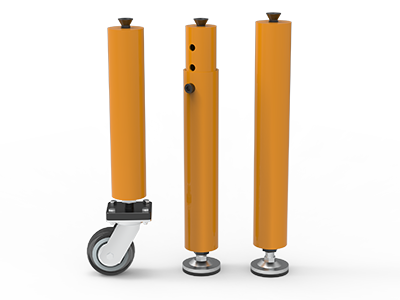
 Round Table Legs
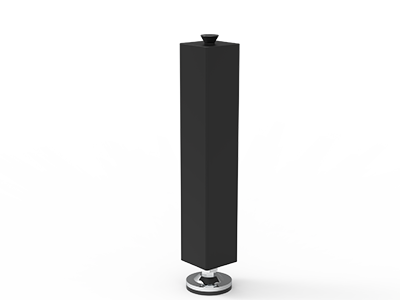 Square Table Legs
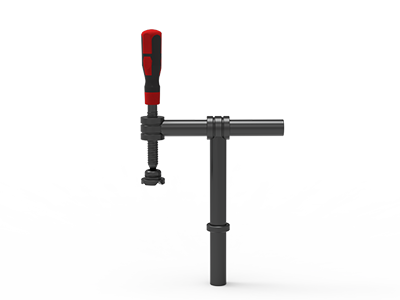 Clamp 180°
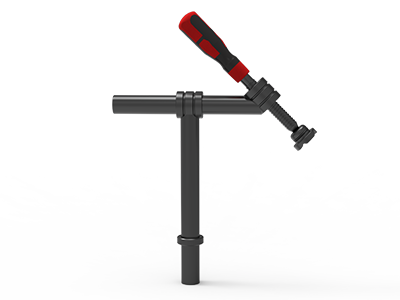 Clamps 45°
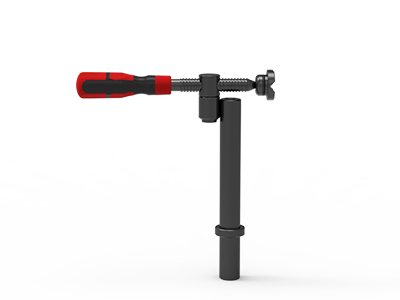 clamp 90°
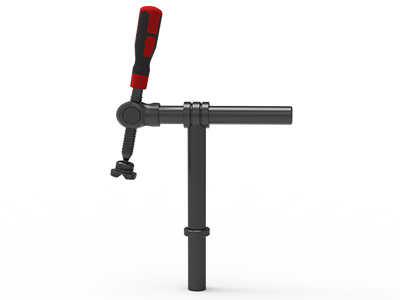 DRINK
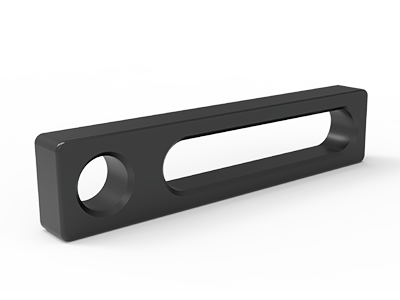 Stop
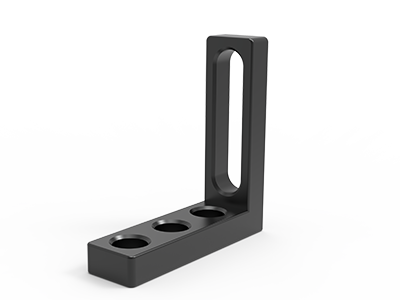 Angle Stop
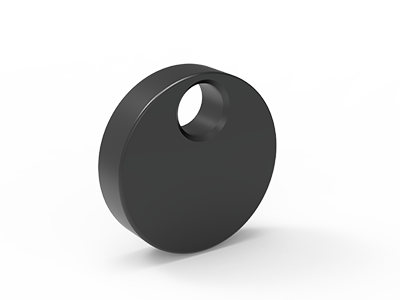 Eccentric Stop Ø 60
 Angle Alignment Template
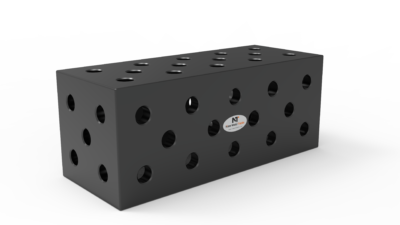 Square u-shape
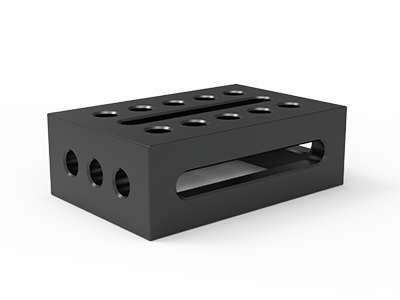 Support and clamping frame
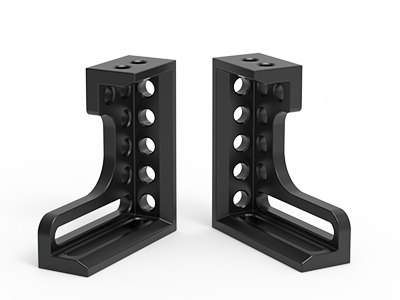 Angle support
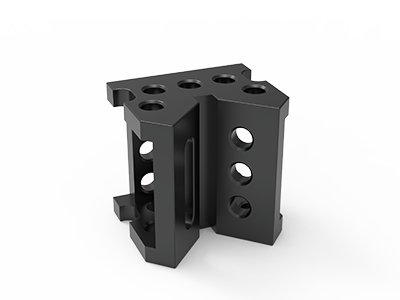 Corner Connection
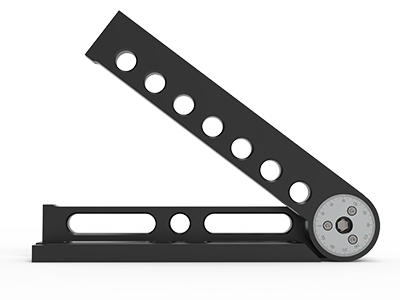 Universal angle clamping
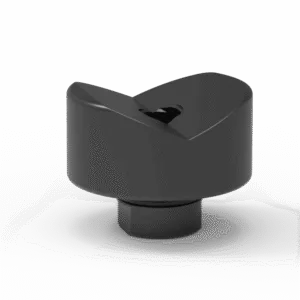 Prism with screwed-in collar
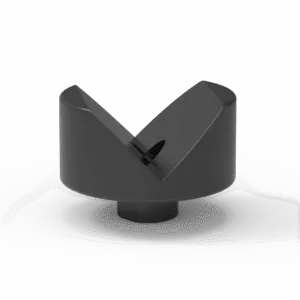 Prism with screwed-in collar
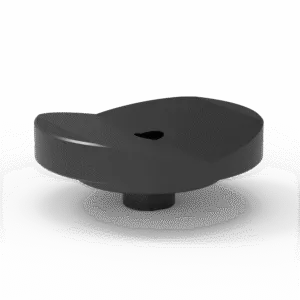 Prism with screwed-in collar
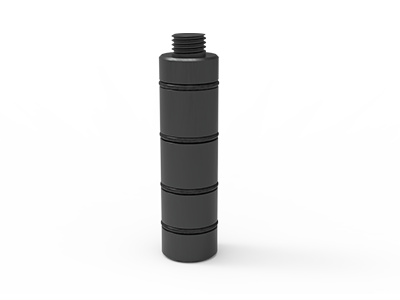 Prism Extension
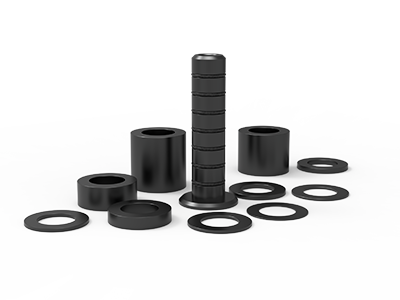 Set of Supports 11-piece set
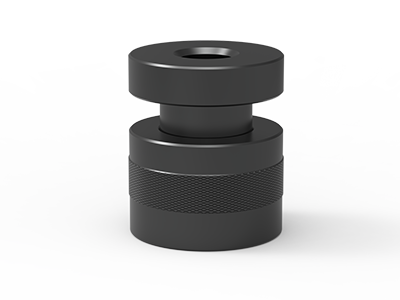 Screw Support Ø 80
 Shipping Bracket
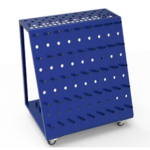 Tool Cart
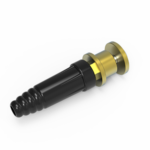 Ground Connection
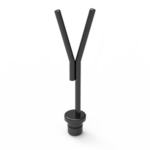 Welding torch holder
 Brush with protecting cover
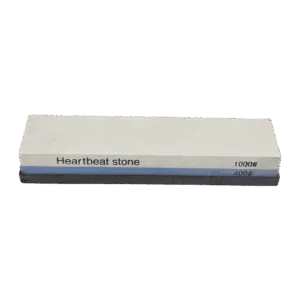 Oilstone
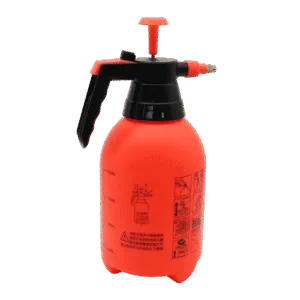 Pump Spray Bottle
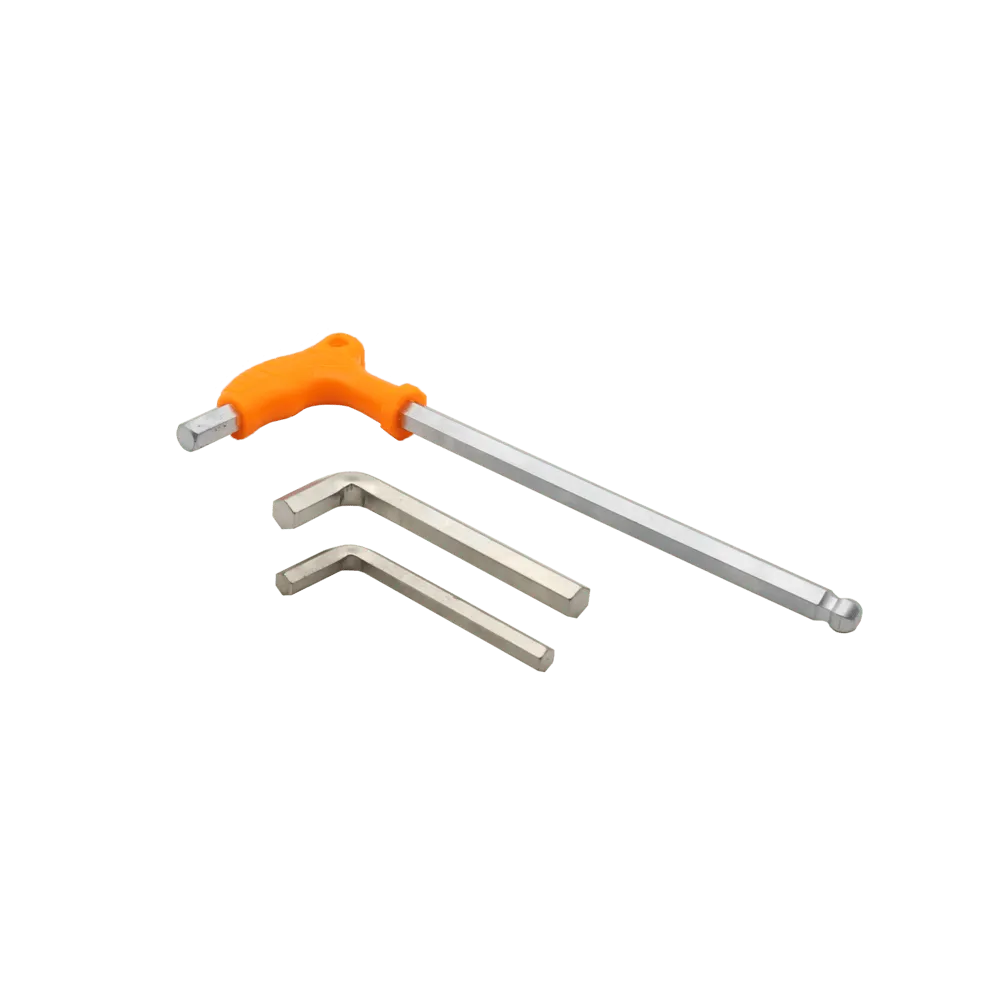 Allen Wrench
How to Choose the Right 3D Welding Table Size for Your Workshop
Choosing a 3D welding table is not only a question of buying the largest surface that fits your workshop. The correct table size should match your workpiece dimensions, clamping points, operator access, lifting method and future production plan. A table that is too small creates extra setup work. A table that is unnecessarily large takes up floor space and may increase handling costs.
Start with Your Typical Workpiece, Not Your Largest Project
Begin by listing the products that account for most of your welding hours. For each product, record its length, width, height, weight and the number of clamping points normally required. Your main welding table should serve the daily workload efficiently. Occasional oversized jobs can often be handled with extension blocks, support rails or an additional table.
Recommended Table Sizes by Application
| Table Size | Typical Use | Recommended System |
|---|---|---|
| 1200 × 800 mm | Small frames, repair work, teaching workshops and compact workstations | D16 or D28 |
| 1500 × 1000 mm | General metal fabrication, furniture frames and prototypes | D28 |
| 2000 × 1000 mm | Daily workshop production, machine frames and mixed fabrication jobs | D28 |
| 2400 × 1200 mm | Larger frames, batch production and industrial assemblies | D28 |
| 3000 × 1500 mm and above | Heavy structures, large equipment frames and production-line fixtures | D28 with project review |
Allow Space for Clamps and Operator Access
If the workpiece covers the entire surface, operators may struggle to position clamps or weld around the edges. For most jobs, leave working space around the main workpiece. When welding tall structures, also consider whether the side faces of the table provide enough clamping options for vertical supports and angle blocks.
Consider Workshop Layout and Material Handling
Measure the available floor area before ordering. Leave room for operators, welding machines, material carts and lifting equipment. Large tables may require a forklift or overhead crane during installation. Adjustable feet help with leveling, but the floor must still support the table and the workpiece safely.
When Should You Use Two Tables?
Two modular tables can be more flexible than one oversized table. They can operate as separate workstations for small jobs and be aligned together for longer assemblies. This approach is useful for workshops with changing orders, limited space or multiple operators.
Send Us Your Workpiece Information
To recommend a practical configuration, we normally need your main workpiece dimensions, approximate weight, monthly production quantity, clamping requirements and destination country. Send these details through our Request a Quote page. We can suggest the table size and a suitable starter tooling package.