
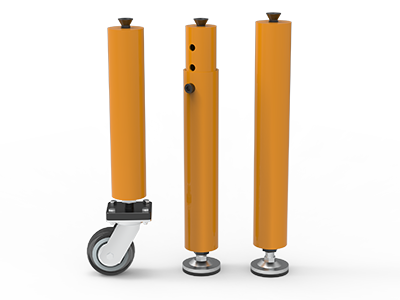
 Round Table Legs
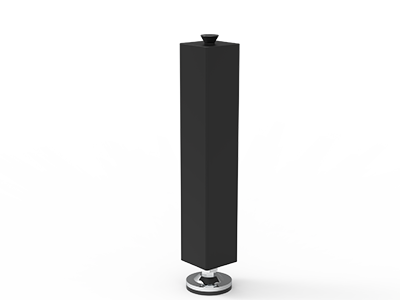 Square Table Legs
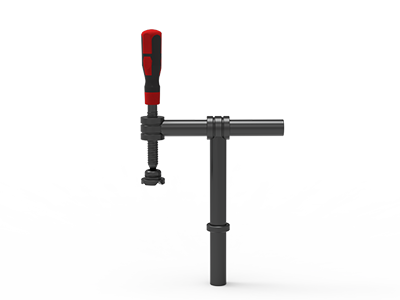 Clamp 180°
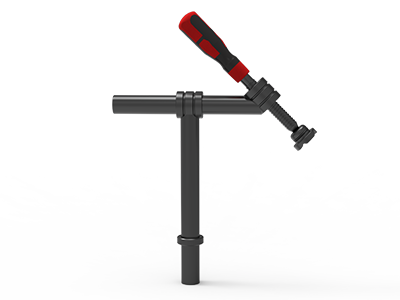 Clamps 45°
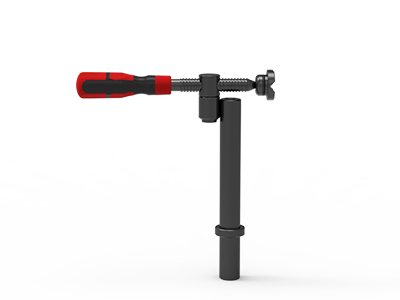 clamp 90°
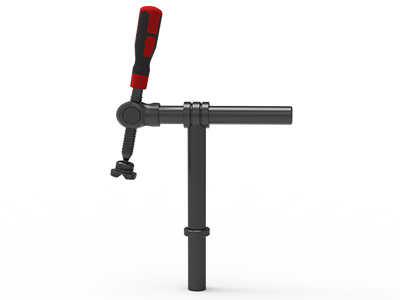 DRINK
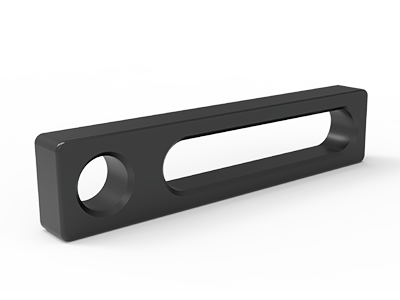 Stop
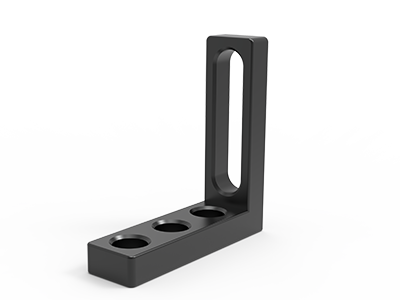 Angle Stop
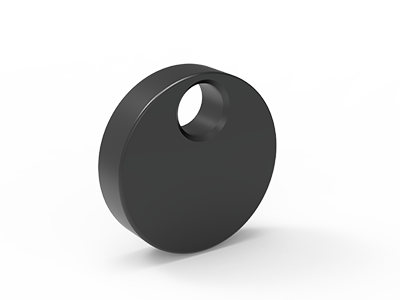 Eccentric Stop Ø 60
 Angle Alignment Template
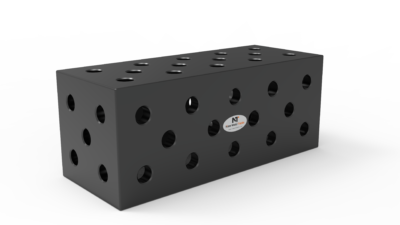 Square u-shape
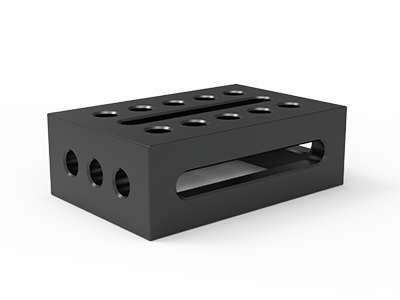 Support and clamping frame
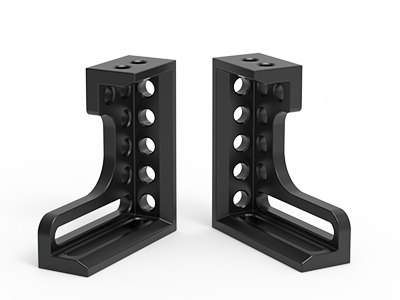 Angle support
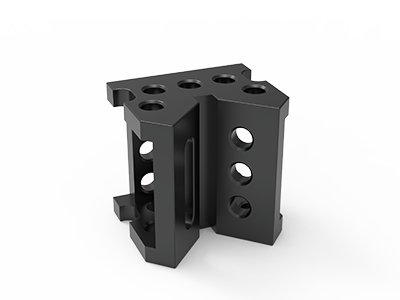 Corner Connection
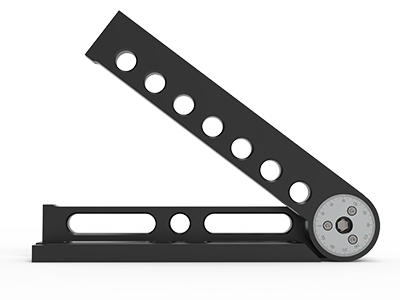 Universal angle clamping
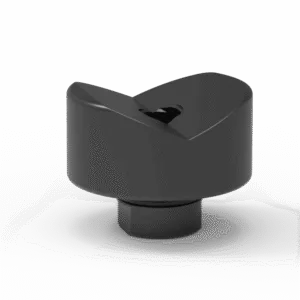 Prism with screwed-in collar
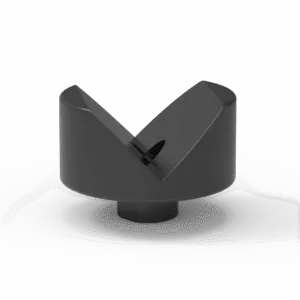 Prism with screwed-in collar
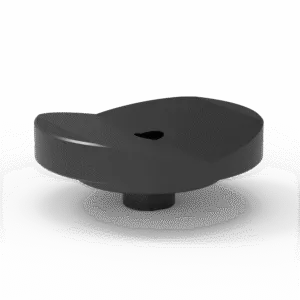 Prism with screwed-in collar
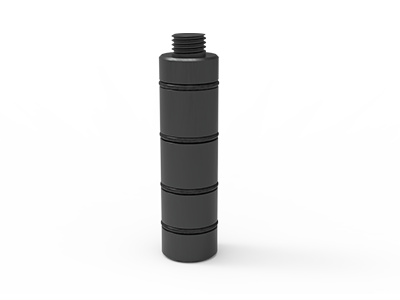 Prism Extension
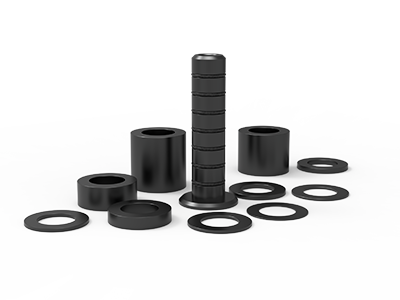 Set of Supports 11-piece set
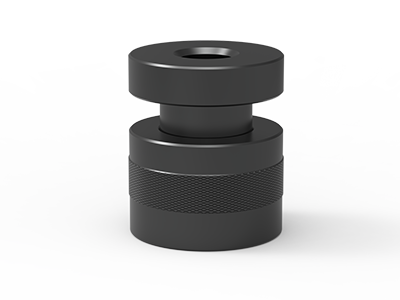 Screw Support Ø 80
 Shipping Bracket
 Tool Cart
 Ground Connection
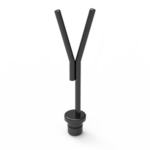 Welding torch holder
 Brush with protecting cover
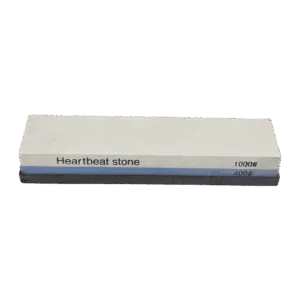 Oilstone
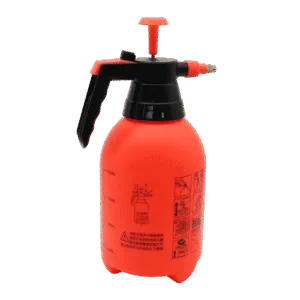 Pump Spray Bottle
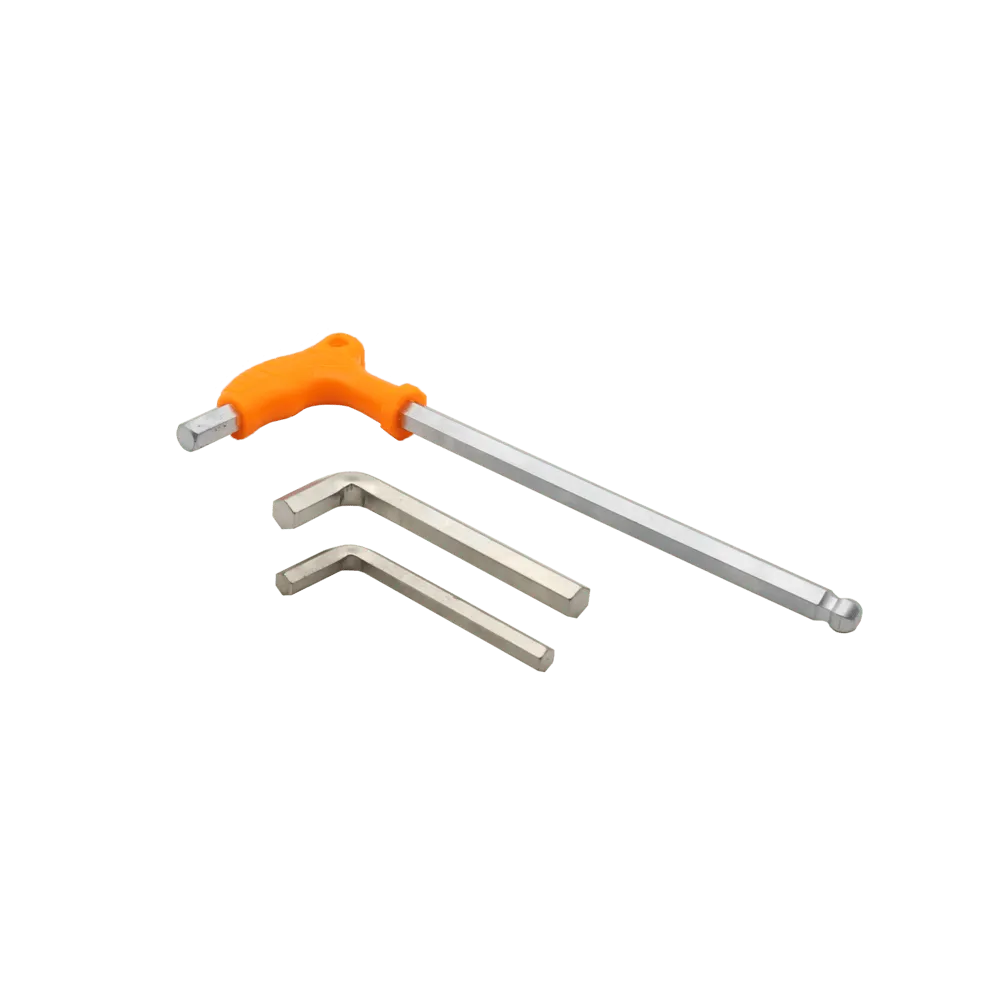 Allen Wrench
Welding Tables for Small-Batch Fabrication
Make the next setup easier.
Balance useful work area, frequent changeovers and the space you actually have.
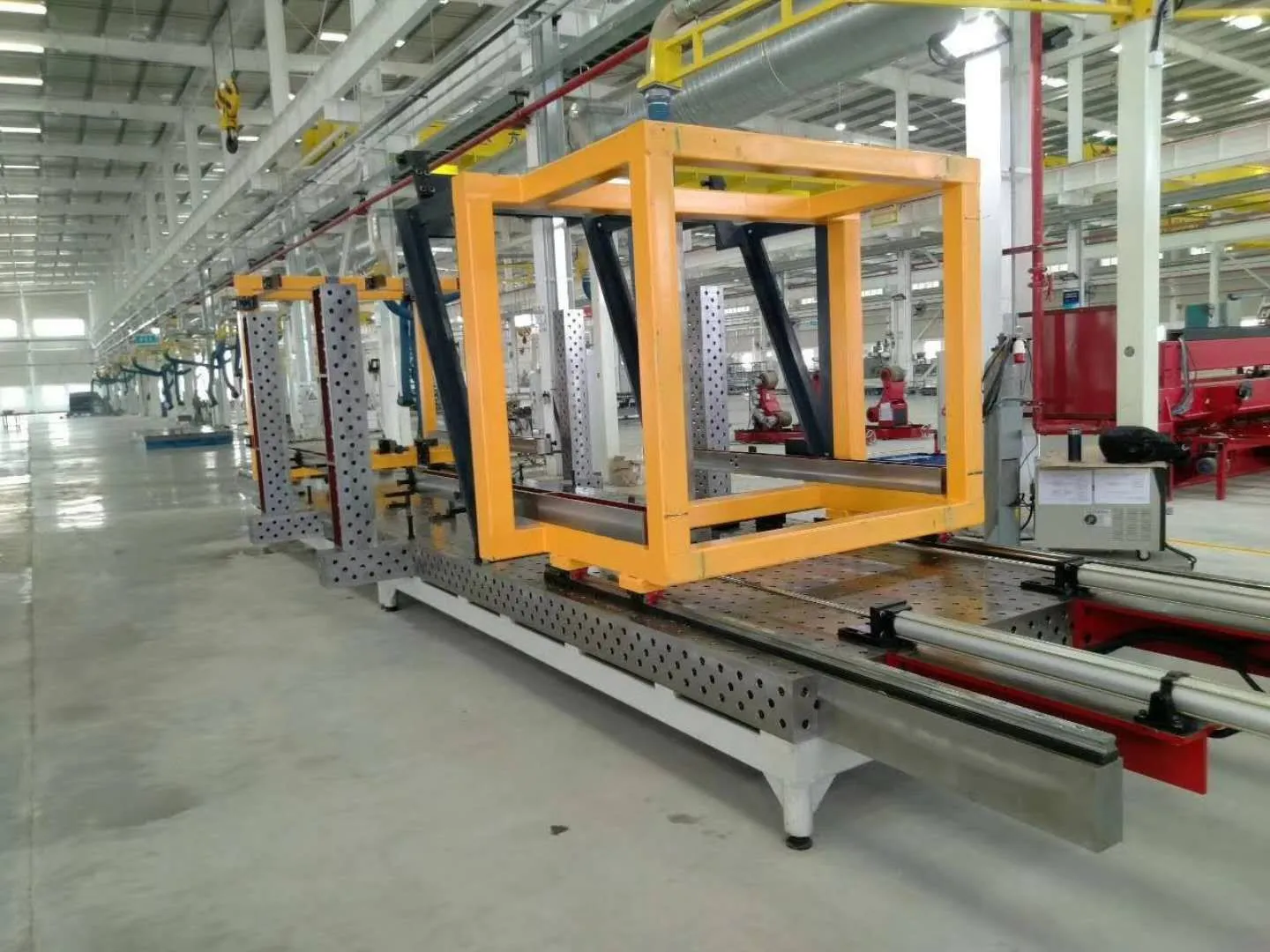
Plan around the workpiece
Job shops need to handle varied work without buying a dedicated jig for every enquiry. Compare the parts you make regularly, then decide which table size, locating tools and support arrangement will cover those jobs. Treat unusual oversized work as a separate layout review.
What the setup needs to solve
- Start with common jobs
- Keep tooling practical
- Make changeovers clear
- Review movement carefully
The photograph illustrates a setup approach. Your table and tooling arrangement will be reviewed against your own drawings.
Details that change the configuration
Start with common jobs
Use several representative drawings instead of choosing only for the biggest part you have ever made.
Keep tooling practical
Build the first list around necessary supports, stops, squares, clamps and compatible pins. Expand from actual jobs.
Make changeovers clear
Record a simple fixture layout and keep matching items together. Leave storage within reach without blocking the operator.
Review movement carefully
If mobility is required, specify floor conditions, total load and how the workstation will be secured for use. Do not assume casters suit every setup.
From drawing to a working layout
-
Choose representative work
List the parts that occupy most of your welding time, with size and quantity.
-
Check the workspace
Measure usable floor area, access routes and the preferred working position.
-
Build a starter list
Match the table and essential fixtures to the selected parts.
-
Plan the next changeover
Agree how fixtures will be stored, identified and repositioned for repeat jobs.
Send these details with your enquiry
| Item | What to include |
|---|---|
| Typical work | Photos or sketches of regular parts, dimensions and material |
| Workspace | Available floor area, access width and desired working height |
| Tooling | Existing clamps and pins, common joints and locating needs |
| Future use | Expected part changes, extensions or an additional workstation |
Questions before you order
Should I choose D16 or D28 for a small workshop?
Workshop size alone does not decide the system. Workpiece demands, tool access, existing fixtures and the selected table specification matter more.
Do I need a complete tooling set immediately?
Not always. Start with the actual locating and clamping points, then compare an itemised starter list with an available tooling set.
Let us review your application.
Send your drawings, workpiece details and delivery country. We will use them to discuss a suitable table and fixture configuration.