



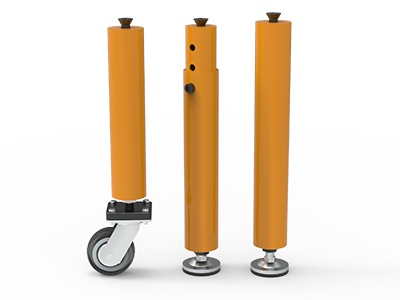
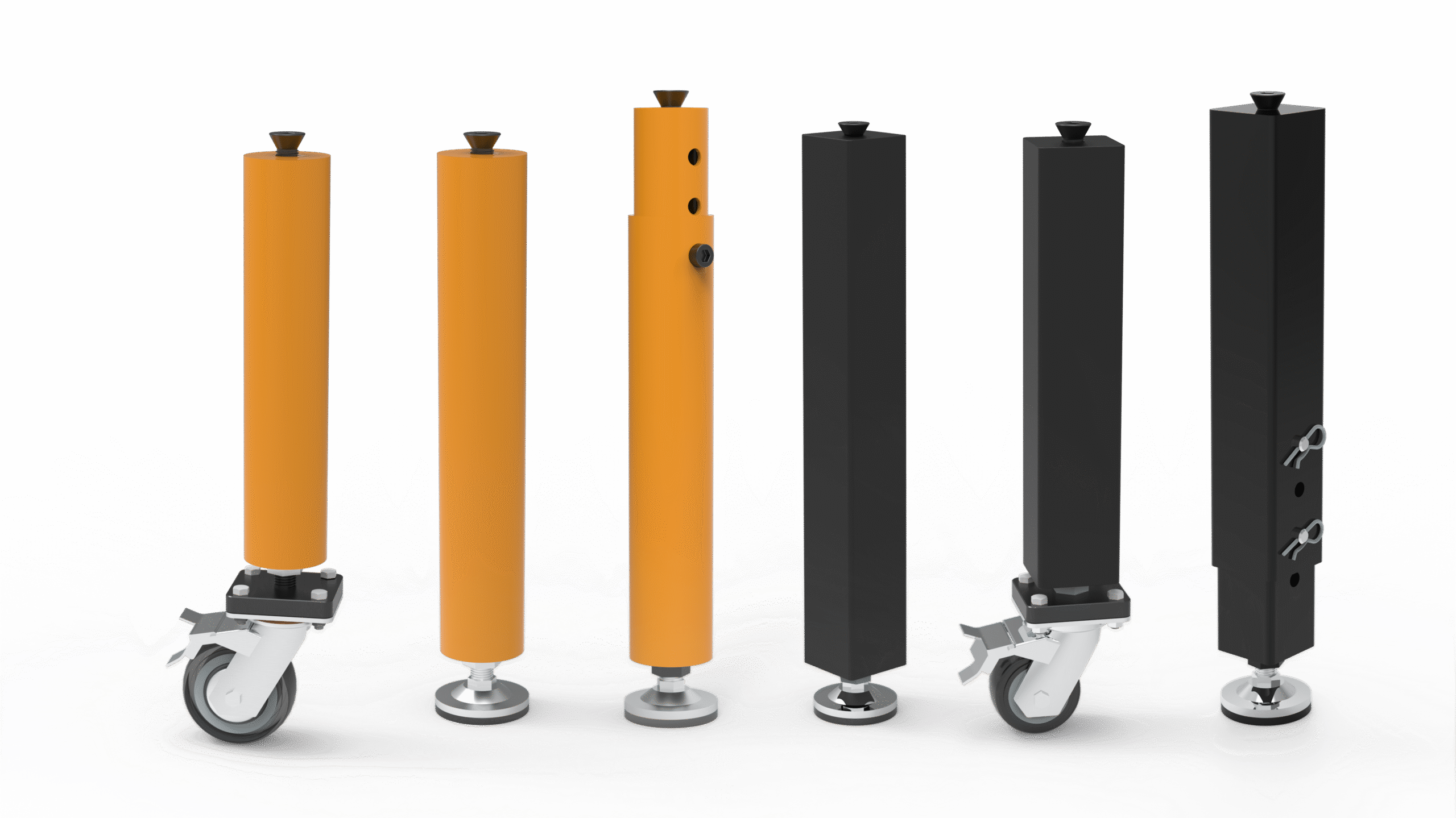
 Round Table Legs
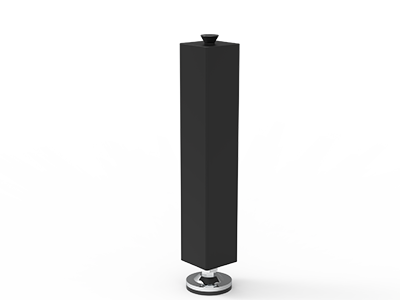 Square Table Legs
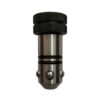
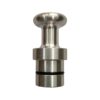
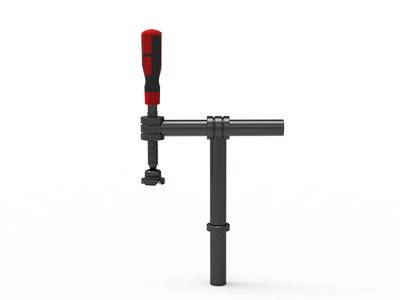 Clamp 180°
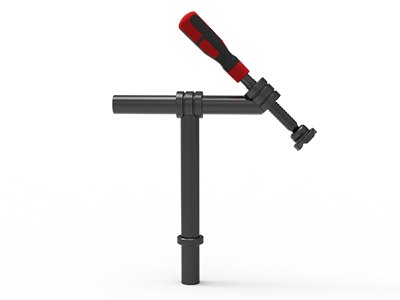 Clamps 45°
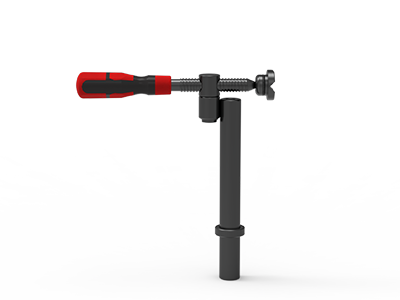 clamp 90°
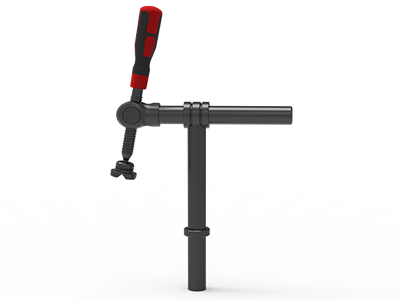 DRINK
DRINK
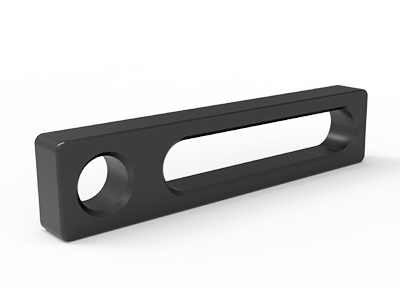 Stop
Stop
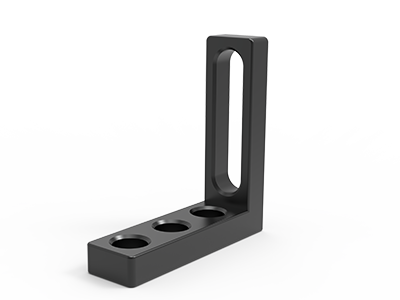 Angle Stop
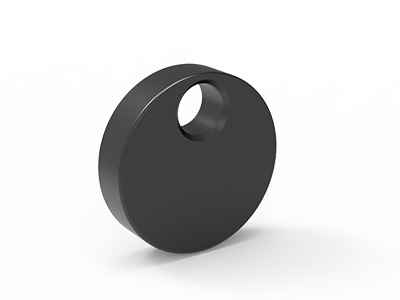 Eccentric Stop Ø 60
 Angle Alignment Template
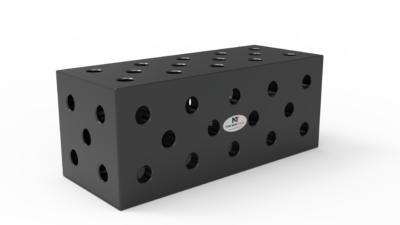 Square u-shape
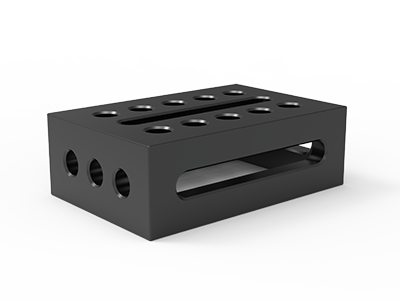 Support and clamping frame
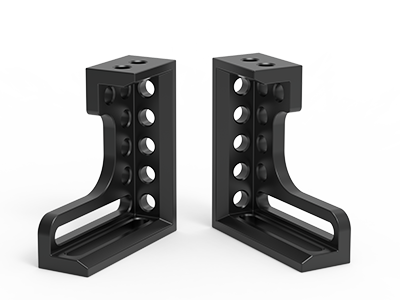 Angle support
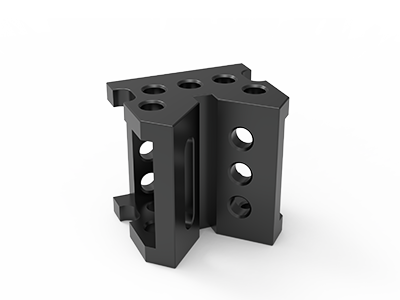 Corner Connection
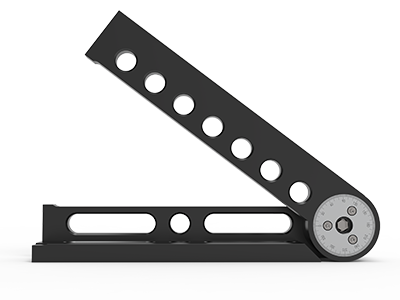 Universal angle clamping
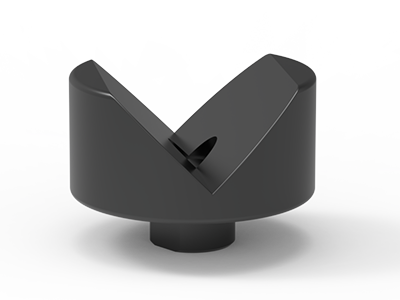 Prism with screwed-in collar
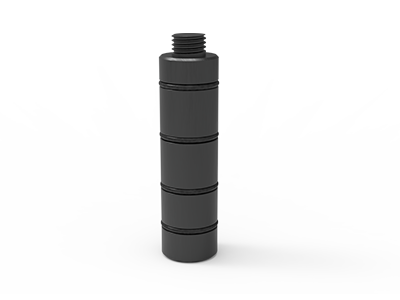 Prism Extension
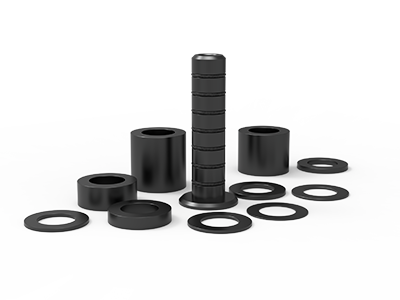 Set of Supports 11-piece set
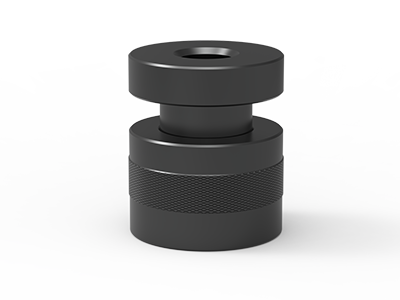 Screw Support Ø 80
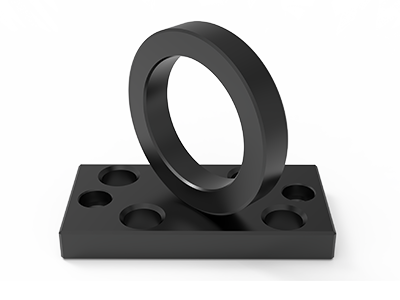 Shipping Bracket
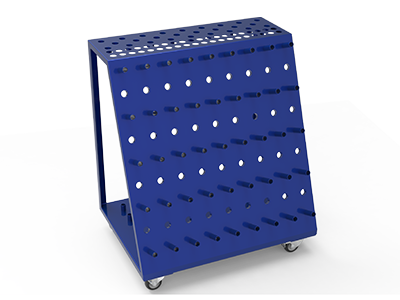 Tool Cart
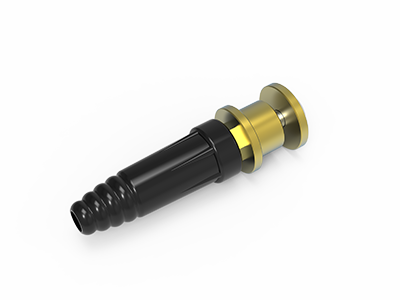 Ground Connection
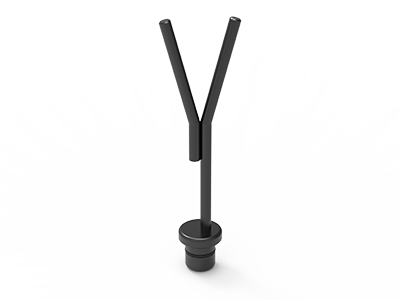 Ratchet hex wrench
The Engineering Superiority of Nitrided Steel 3D Welding Tables
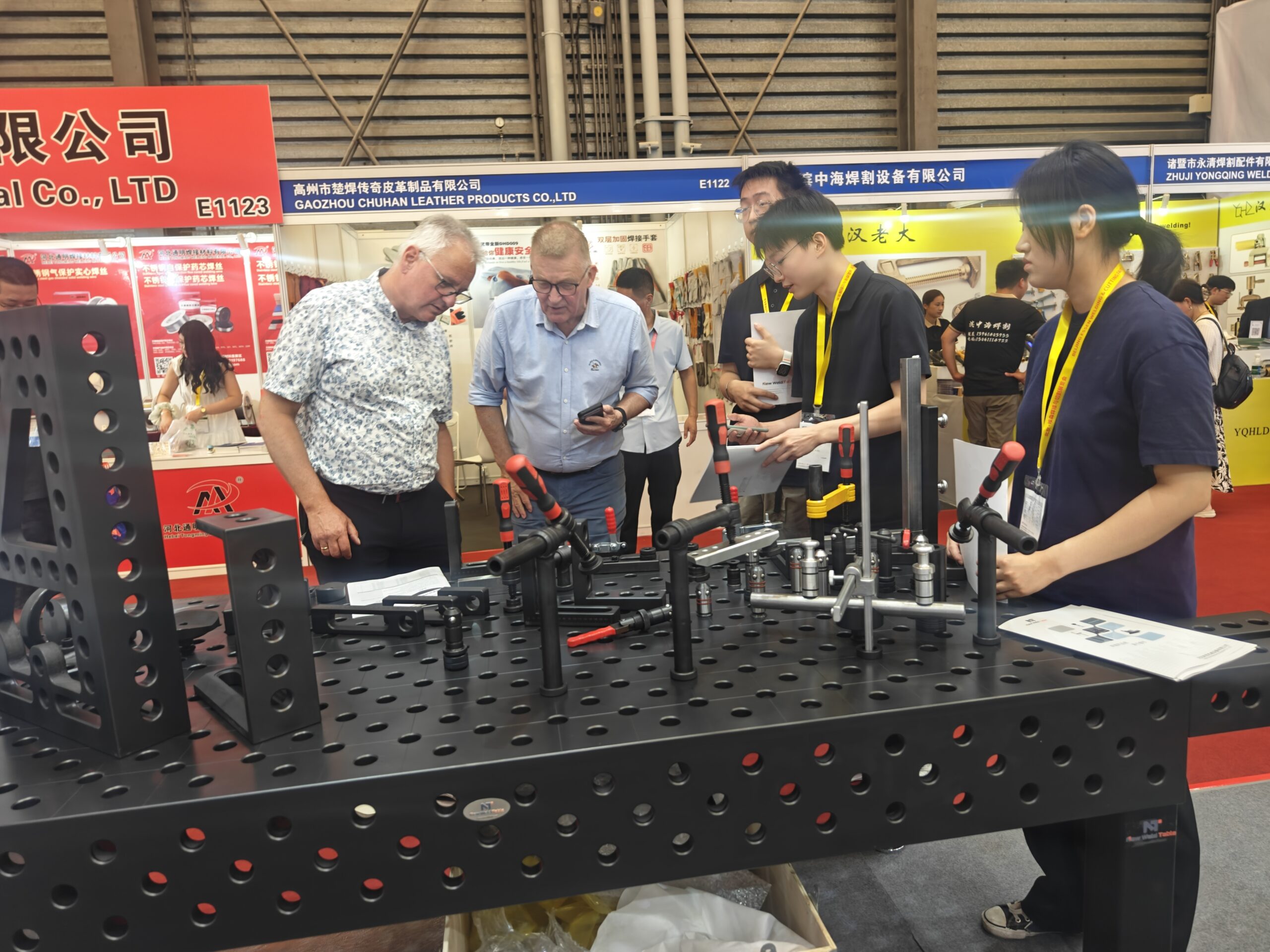
Why Plasma Nitriding is a Game-Changer for Modern Fabrication
In the competitive landscape of industrial welding, precision and durability are not just requirements—they are the foundation of profitability. For distributors looking to provide their clients with high-end modular clamping systems, understanding the material science behind Plasma Nitrided Steel is crucial.
While traditional cast iron tables have been the industry standard for decades, our Nitrided Structural Steel series represents a significant leap in surface engineering.
Extreme Surface Hardness: HV400-700
The plasma nitriding process diffuses nitrogen into the steel surface, creating a "white layer" of extreme hardness.
The Advantage: Unlike untreated steel or standard cast iron (which typically sits around HB180-250), our nitrided tables reach a Vickers hardness exceeding 750 HV.
Distributor Insight: This translates to a surface that is virtually immune to scratches from heavy workpieces and maintains its flatness tolerance (< 0.1 mm/m²) even under rigorous daily use.
Exceptional Anti-Spatter Properties
The biggest enemy of a welding table is weld spatter. On a raw steel table, spatter bonds to the surface, requiring grinding that eventually ruins the table's precision.
The Science: The nitriding process changes the surface tension and chemical reactivity of the steel.
The Result: Weld spatter does not "stick." It can be simply wiped away with a brush, keeping the table clean and the grid holes unobstructed without the need for aggressive anti-spatter chemicals.
Corrosion Resistance for Global Shipping
For distributors, the "Shelf Life" and "Arrival Condition" of the product are vital.
The Benefit: Plasma nitriding provides a deep-penetrating anti-corrosion layer (Iron Nitride). Unlike simple oil coatings, this protection is part of the metal itself.
The Outcome: Whether your warehouse is in a humid coastal region or involves long-duration sea freight, our tables arrive and remain rust-free.
Impact Toughness: Steel vs. Cast Iron
While cast iron is hard, it is brittle. In heavy-duty fabrication, a dropped heavy part can crack a cast iron table.
The Structural Advantage: Our tables use high-tensile structural steel. It offers the perfect balance of surface hardness (from nitriding) and core toughness (from the steel). It absorbs impacts without fracturing, ensuring a lifespan of 10+ years.